The Importance of a Planting Calendar for Your Vegetable Garden
Successfully cultivating a vegetable garden hinges on timing. A planting calendar helps align crops with seasonal rhythms, ensuring robust plants and abundant harvests.
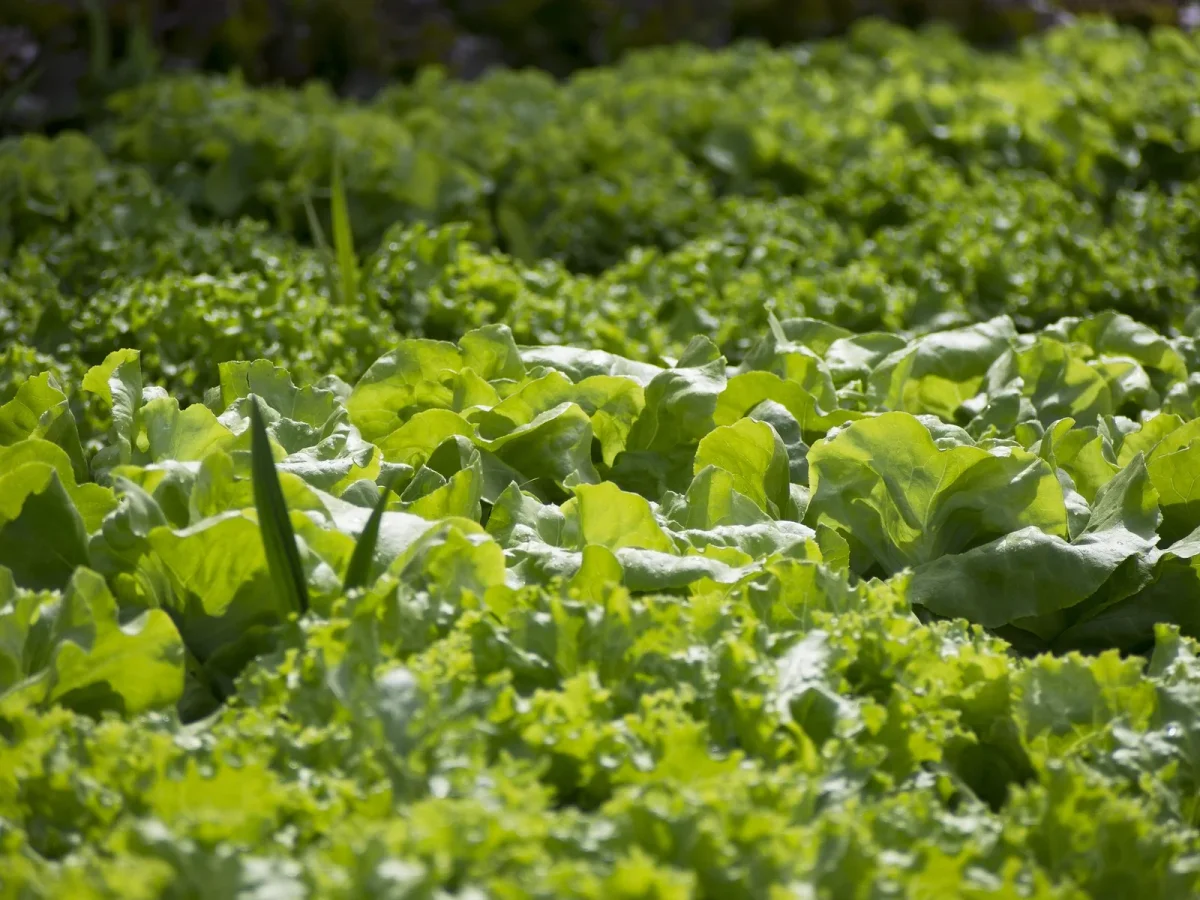
Successfully cultivating a vegetable garden hinges on timing. Planting too early can expose young seedlings to cold temperatures, while a late sowing can stunt growth and limit yields. A planting calendar serves as a crucial tool for aligning your crops with seasonal rhythms, taking into account climatic conditions and the specific needs of each plant.
Why Following a Planting Calendar is Crucial
Every plant has distinct requirements regarding temperature, light, and moisture, which fluctuate throughout the year. Planting at the right time ensures:
- Quick and uniform germination
- Reduced risk of diseases linked to unfavorable conditions
- Stronger and more productive plants
Conversely, neglecting a proper calendar often leads to failures, such as seeds that fail to sprout, spindly plants, or stunted growth.
Factors Influencing the Planting Calendar
A planting calendar is not static; it must be adjusted based on various factors. Local climate plays a significant role. For instance, in regions like Alsace, cool springs can delay outdoor sowing.
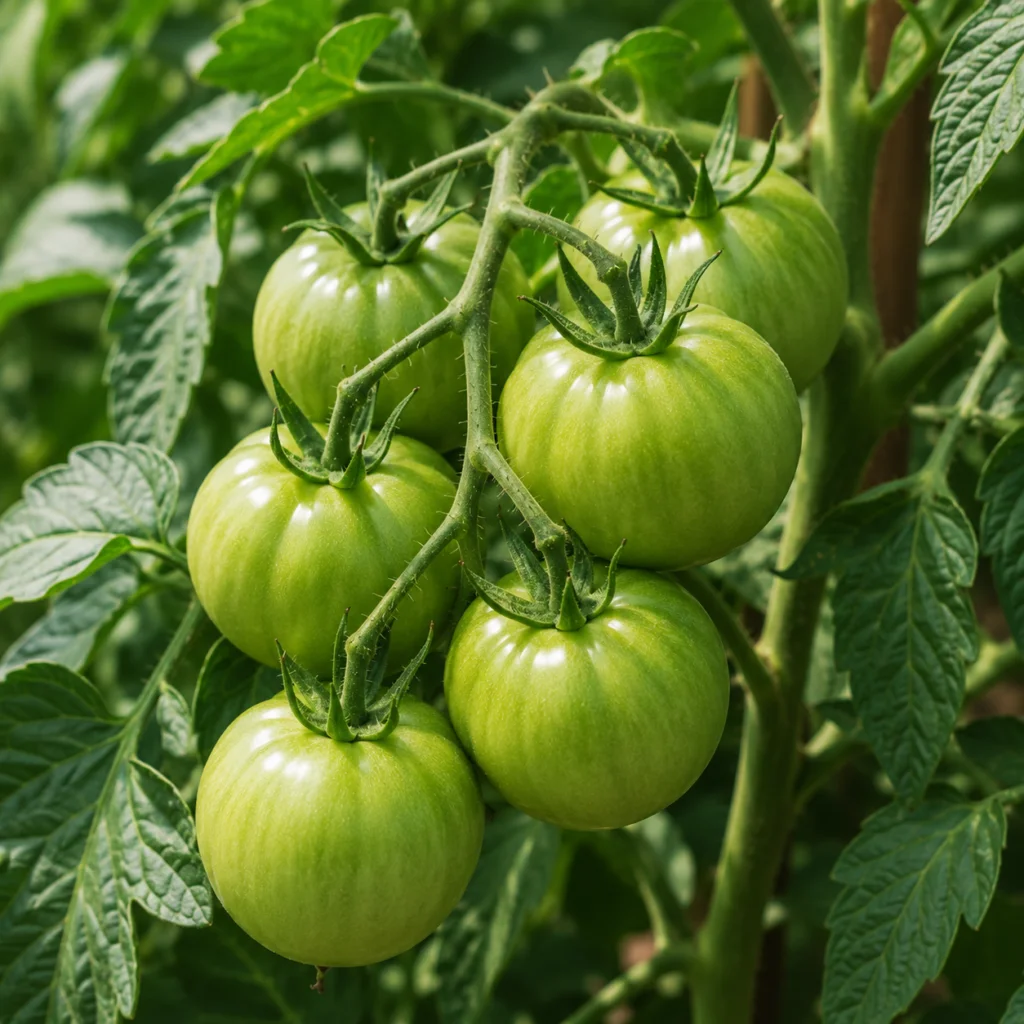
The type of crop also matters. Some plants, such as tomatoes, require indoor starting, while others, like radishes, can be sown directly in the ground. Moreover, the growing conditions—whether in a greenhouse, indoors, or outdoors—can either advance or postpone certain sowings.
The table below outlines the main crops to sow during specific months, providing a reliable foundation for organizing your garden.
| Month | Indoor Sowing | Outdoor Sowing | |-----------|--------------------------------|----------------------------| | January | Chili, bell pepper (early) | — | | February | Tomato (late), eggplant | — | | March | Tomato, lettuce, cabbage | Radish, spinach, broad bean | | April | Zucchini, cucumber | Carrot, salad, beetroot | | May | Melon, squash | Bean, zucchini, corn | | June | — | Bean, salad, radish | | July | — | Late carrot, bean | | August | — | Lamb's lettuce, spinach | | September | — | Lamb's lettuce, radish | | October | — | Garlic, onion | | November | — | — | | December | — | — |
This calendar should be adjusted according to actual conditions, particularly temperature and frost risks.
Understanding the Differences Between Indoor and Outdoor Sowing
The choice between sowing indoors or outdoors primarily depends on the plants' sensitivity to cold. Indoor sowing allows gardeners to get a head start on the season, gaining several weeks of growth, particularly for heat-loving plants like tomatoes and peppers.
Outdoor sowing is generally easier to manage and applies to hardier plants that can germinate in cooler conditions. Mismanagement of this aspect can lead to fragile seedlings or complete germination failure.
Common Mistakes to Avoid
Several frequent mistakes can jeopardize the success of sowing. Planting too early is the most common error, leading to seedlings that lack light and become weak.
Ignoring soil temperature is another issue. If the soil is too cold, it can halt germination, even if surface conditions seem favorable. Additionally, failing to tailor sowing to your specific environment—considering region, exposure, and available materials—can significantly limit success.
How to Tailor the Calendar to Your Situation
A planting calendar should serve as a guide rather than a rigid rule. Observing actual temperatures is essential; a mild spring may allow for earlier sowing, while a cold snap may require patience. Utilizing a greenhouse or shelter can also extend sowing periods, offering greater flexibility and securing crops.
Ultimately, experience is vital. By testing and refining your practices each year, you can develop a personalized calendar that perfectly fits your environment. A planting calendar is an indispensable tool for organizing your garden and maximizing your chances of success. By adhering to the appropriate sowing times for each crop and considering real-time conditions, you can achieve robust plants and bountiful harvests.
Understanding plant needs and anticipating climatic constraints transforms a simple calendar into a comprehensive cultivation strategy.