The Hidden Benefits of Organic and Heirloom Seeds
Organic and heirloom seeds are increasingly favored by gardeners for their myriad benefits. This article explores their environmental, economic, and social advantages, along with practical tips for selection and use.
Organic and heirloom seeds are gaining popularity among both amateur and professional gardeners. These seeds offer a range of benefits that extend far beyond mere plant cultivation. From enhancing biodiversity to promoting sustainable agriculture and providing natural disease resistance, the advantages of these seeds are significant. This article delves into their key benefits.
What Are Organic and Heirloom Seeds?
Before exploring the advantages, it’s important to clarify what organic and heirloom seeds are. Organic seeds come from plants cultivated according to organic farming principles, meaning they are produced without chemical pesticides or fertilizers, thereby respecting the soil and surrounding ecosystem. For a more comprehensive overview, consider this selection of heirloom seeds.
Essential Definitions
Heirloom seeds are those that can produce plants whose seeds can be harvested and replanted year after year. Unlike hybrid or genetically modified seeds, they maintain their genetic diversity and exhibit remarkable adaptability to local conditions.
Environmental Benefits
Increased Biodiversity
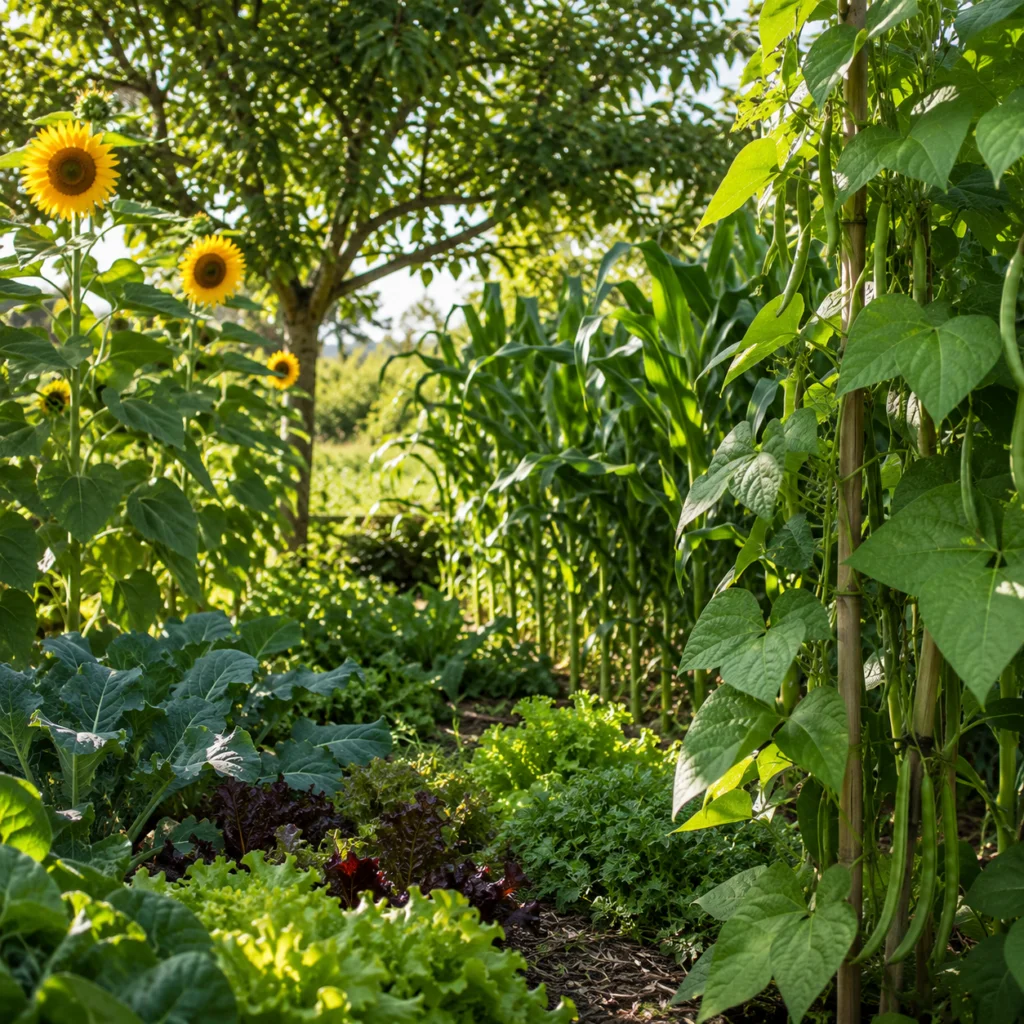
One of the primary advantages of organic and heirloom seeds is their contribution to biodiversity. By utilizing a variety of plant species, gardeners foster a more balanced ecosystem. Each variety possesses unique characteristics that enhance resistance to diseases and harmful insects.
Conserving this diversity allows farmers to select plants that are better suited to their local environments. This adaptability is vital for sustainable and eco-friendly agriculture, as it reduces reliance on chemical inputs and human intervention.
Soil Health
Growing organic and heirloom seeds helps maintain soil health. Without chemical fertilizers and pesticides, the soil composition remains intact and fertile. This promotes the development of beneficial microorganisms and improves water retention.
Additionally, organic farming practices often include crop rotation and plant associations, which further enhance soil quality. Thus, respecting soil health is a fundamental pillar for ensuring abundant harvests in the long term.
Economic and Social Advantages
Cost Reduction
One of the most appealing economic aspects of heirloom seeds is the reduction in costs. Farmers do not need to purchase new seeds each year; they can simply use those harvested from the previous season. This represents significant savings, particularly for small farms.
This independence from large seed companies also grants producers greater freedom. They can experiment with different varieties and types of plants to find those that best meet their specific needs.
Preservation of Traditional Knowledge
Using organic and heirloom seeds also allows for the preservation of traditional agricultural knowledge. Many of these heirloom varieties possess unique traits that have been refined over generations. Cultivating these seeds helps to safeguard this cultural heritage while promoting a less intensive and more environmentally respectful farming method.
The transmission of these ancestral practices fosters a strong sense of community among farmers. Together, they can establish seed exchange networks and share advice, creating solidarity in the face of modern agricultural challenges.
Supporting Individual Gardens
Adaptability and Natural Resistance
For gardening enthusiasts, organic and heirloom seeds are nearly indispensable. They offer great adaptability to local conditions, such as soil type and climate, thereby increasing the likelihood of successful plantings. Furthermore, these seeds develop natural resistance to pests and diseases, reducing the need for chemical interventions.
This natural resistance is particularly beneficial for those looking to garden in an eco-friendly manner. It becomes possible to maintain a lush and productive green space without harming the environment or local biodiversity.
Nutritional Quality
Plants grown from organic seeds often exhibit superior nutritional quality compared to their conventional counterparts. Less exposure to chemicals means they retain more essential vitamins and minerals. This results in healthier and tastier food.
For gardeners concerned about their health and that of their families, opting for organic and heirloom seeds can be an excellent choice. Not only do they contribute to better overall health, but they also play a part in the positive dynamics of sustainable agriculture.
Safeguarding the Future of Agriculture
Reproducibility and Sustainability
One of the most significant benefits of organic and heirloom seeds is their ability to protect the future of agriculture. The reproducibility of these seeds allows for the creation of a sustainable cycle where plants continue to thrive year after year. This aspect is crucial for global food security.
By investing in heirloom seeds, farmers ensure the sustainability of their crops even in the face of climatic or ecological upheavals. This forms a kind of barrier against the risks associated with excessive reliance on modern agricultural technologies, which are often costly and fragile.
Eco-Responsibility and Fairness
Eco-responsibility goes hand in hand with the use of organic and heirloom seeds. By choosing these sustainable alternatives, farmers and gardeners reduce their ecological footprint. They opt for cultivation methods that respect both the Earth and future generations.
Moreover, adopting these practices promotes a fairer agriculture. It allows small farms to remain competitive while offering high-quality products. Thus, everyone can contribute to a more just and balanced agricultural model.
Practical Tips for Choosing and Using Organic and Heirloom Seeds
Choosing the Right Seeds
To get the most out of organic and heirloom seeds, it is essential to select them wisely. Favor local varieties that are naturally suited to your region. Also, consult the opinions of other gardeners or farmers to identify the best options.
Some seed banks and local associations offer certified organic seed lots. Participating in seed exchanges among enthusiasts is also an excellent way to diversify your future plantings at no additional cost.
Best Cultivation Practices
Once you have selected your seeds, a few good practices can ensure optimal growth. Prepare the soil well before planting and ensure that you provide the right conditions for your plants to thrive.