The Essential Guide to Pruning Palm Trees
Learn how to properly prune your palm trees to enhance their health and appearance. This guide covers essential tools, timing, and step-by-step instructions for successful pruning.
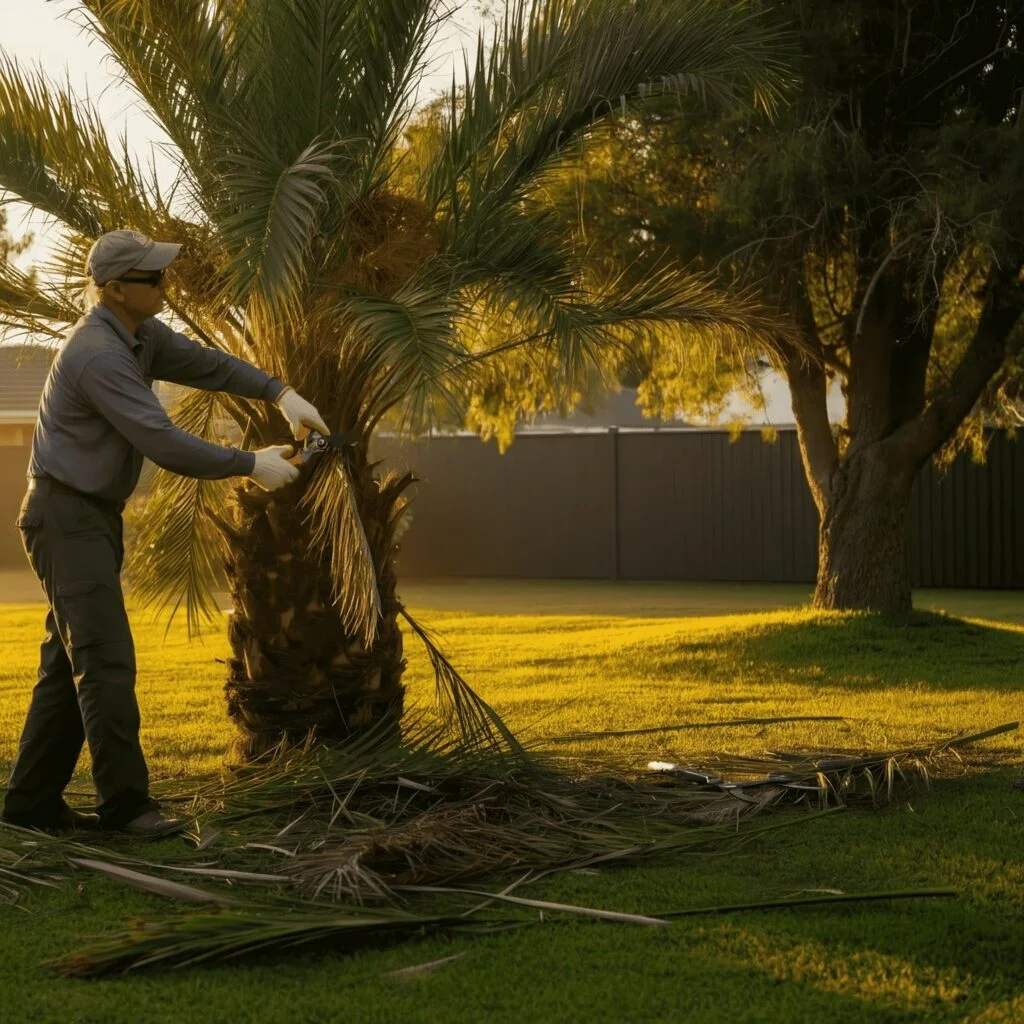
Having a palm tree in your garden not only adds a tropical touch but also enhances the overall aesthetic of your outdoor space. However, to maintain its health, appearance, and size, proper pruning is crucial. This comprehensive guide will walk you through the process of pruning a palm tree, the necessary tools, the best times to prune, and essential tips to ensure success.
Why is Pruning a Palm Tree Important?
Pruning a palm tree not only improves its appearance but also contributes to its overall well-being. Here are the key benefits of proper pruning:
1. Enhances Plant Health
Removing dry, diseased, or damaged leaves helps prevent the spread of diseases and pest infestations. Additionally, it promotes better air circulation among the leaves, reducing the risk of fungal infections.
2. Aesthetic Appeal and Garden Harmony
A well-pruned palm tree adds to the cleanliness and organization of your garden, serving as a focal point that enhances the overall look of your outdoor area.
3. Size and Growth Control
Many palm trees grow rapidly and can become quite bulky. Regular pruning helps keep their growth in check, preventing them from becoming unruly.
When is the Best Time to Prune a Palm Tree?
Choosing the right time to prune is essential to avoid damaging the plant. Here are some key tips:
- Optimal Season: It is advisable to prune in spring or early summer when temperatures are milder and the plant is in its vegetative period.
- Avoid Fall or Winter Pruning: These seasons can weaken the palm and make it more susceptible to diseases and pests.
- Ideal Weather Conditions: Dry, sunny days are perfect for pruning, as they minimize the risk of fungal infections in the cut areas.
Necessary Tools for Pruning a Palm Tree
To ensure a safe and effective job, you will need the right tools. Here’s a basic list:
- Pruning Shears: Ideal for small leaves and fronds.
- Saws or Pruning Saws: For thicker or tougher leaves.
- Small Chainsaw: Useful for larger palms.
- Gardening Gloves: Protect your hands from cuts and thorns.
- Safety Equipment: Helmets, harnesses, or ropes, especially when working at heights.
- Corvellot: This tool, also known as a "parrot beak" or "hook," is particularly useful for cutting high and thick fronds as well as for removing dry or damaged leaves from tall palms.
Select your tools based on the size of your palm, and ensure they are sharp to avoid tearing the leaves or trunk.
Step-by-Step Guide to Pruning a Palm Tree
Follow these steps for effective and safe pruning:
Step 1: Preliminary Inspection
Before starting, inspect the palm to identify any dry, diseased, or damaged leaves, as well as seed clusters that may need removal. Also, check the stability of the palm, especially if you will be working at height.
Step 2: Cut Away Dry or Damaged Leaves
Use your pruning shears to remove completely dry leaves or those showing signs of damage. Make cuts as close to the base of the leaf as possible, but avoid damaging the trunk.
Step 3: Remove Excess Fronds
To maintain the shape of the palm, you can remove some lower fronds if necessary. However, never cut more than a couple of crowns of leaves at once.
Step 4: Avoid Damaging the Crown
The crown is the growth point of the palm and is extremely sensitive. Any damage to this area could be fatal for the plant, as the crown cannot regenerate. Therefore, ensure that cuts are made carefully and precisely.
Step 5: Clean Up Debris
Collect all leaves and debris generated during pruning. This will not only keep your garden tidy but also prevent them from becoming a refuge for pests.
Additional Tips for Pruning a Palm Tree
- Avoid Over-pruning: Removing too many leaves can weaken the palm and expose it to damage from wind or sun.
- Regular Pruning: It is better to perform small, frequent prunings than to do a drastic pruning occasionally.
- Remove Seed Clusters: If your palm produces decorative but unnecessary fruits, remove them to prevent them from draining energy from the plant.
When NOT to Prune a Palm Tree
Not every moment is suitable for pruning. Here’s when to avoid this task:
- Extreme Weather: Avoid pruning during days of extreme temperatures, high humidity, or strong winds.
- Unaddressed Diseases: If your palm shows signs of significant pest infestations or infections, address these issues before pruning.
- During Active Infestations: It is preferable to treat the pest issue first to prevent spreading.
Common Types of Palms and Their Pruning Guidelines
Understanding your type of palm will help you provide the appropriate care. Here are some common examples and their basic pruning rules:
- Phoenix canariensis and Phoenix dactylifera (Date Palm): Remove dry leaves and fruits while maintaining a couple of crowns of green leaves.
- Washingtonia robusta: Only cut very deteriorated leaves to protect the trunk from environmental factors.
- Jubaea chilensis: Only remove dry foliage to preserve the strength of this species.
- Trachycarpus fortunei: Maintain as many green leaves as possible to protect the trunk.
Achieving Perfect Pruning with a Professional Touch
Properly pruning a palm tree requires time, patience, and the right tools. By caring for your plants, you also maintain the harmony and safety of your space.