Managing Pests and Fungal Diseases in Fruit Plants
Explore effective strategies for preventing and treating common diseases in fruit plants, focusing on maintenance, pruning, and natural remedies.
Managing Pests and Fungal Diseases in Fruit Plants
Fruit plants in gardens not only provide delicious produce but also enhance the beauty of green spaces. However, like all plants, fruit trees can be susceptible to diseases that threaten their health and productivity.
Addressing diseases in fruit plants requires a comprehensive approach that includes prevention, timely care, and regular maintenance. This article will explore methods to prevent and treat common diseases affecting fruit trees, focusing on practices such as proper pruning and continuous monitoring of plant health.
Regular Maintenance: The Key to Prevention
Regular maintenance of plants is crucial for preventing the spread of diseases. Well-cared-for plants, with good drainage, adequate sunlight, and targeted irrigation, are much less prone to diseases and pests. It is essential to understand that a healthy garden relies on a natural balance that demands constant attention.
For instance, proper irrigation plays a vital role; watering plants without overdoing it helps prevent the creation of humid environments that encourage fungal and bacterial growth. Additionally, fertilization must be done judiciously, as excess can stress plants and make them vulnerable to diseases.
Another critical aspect of regular maintenance for fruit plants is pruning. This practice not only helps maintain the shape and health of the tree but also reduces the risk of fungal diseases. Regularly pruned plants develop a healthier canopy, allowing for better air circulation that prevents moisture accumulation, the ideal environment for pathogen development.
Pruning the Lemon Tree: An Essential Practice
An excellent example of how pruning can prevent diseases is seen in the lemon tree, a favorite in Mediterranean gardens. Proper pruning of the lemon tree is essential for keeping it healthy and productive. It is particularly important to remove dry or damaged branches, which can become breeding grounds for fungi and other pathogens. Pruning should be done to allow sufficient space for air circulation and sunlight penetration. Familiarizing oneself with recommended pruning methods for lemon trees is a fundamental step in preserving the health and vitality of garden plants.
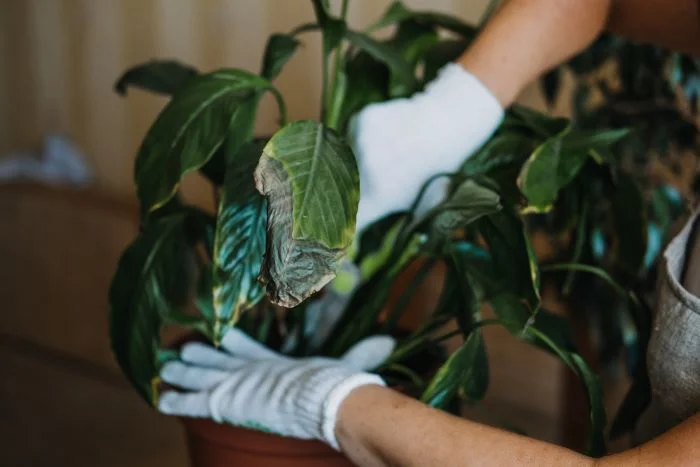
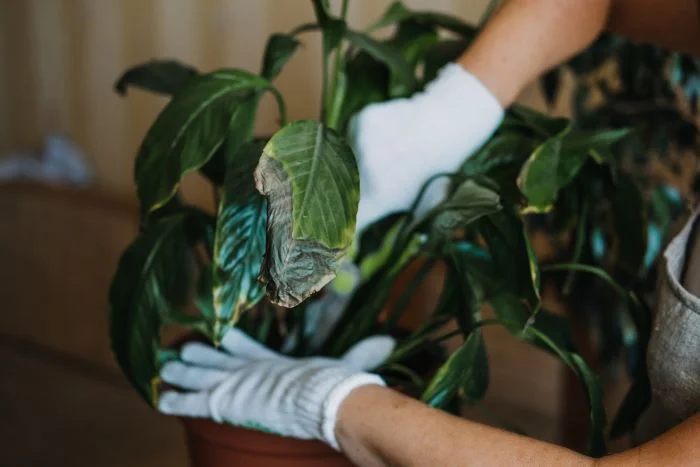
Moreover, pruning is an ideal time to check the tree's health. Signs of disease, such as spots on leaves or bark, can indicate the onset of an infection. By promptly removing diseased branches, the spread of illness to the entire plant can be prevented.
Common Diseases of Fruit Plants and How to Recognize Them
Fruit trees can be affected by a variety of diseases. Among the most common are fungal infections, viral diseases, and pests. Timely recognition of disease symptoms is crucial for intervening before the problem spreads. Below are some of the most frequent diseases:
Gray Mold (Botrytis cinerea)
This fungal disease appears as a gray powder on flowers and fruits. It is particularly common on strawberries, apples, and peaches. To prevent gray mold, it is necessary to remove damaged fruits and maintain good ventilation between branches.
Powdery Mildew (Podosphaera leucotricha)
Another fungal disease primarily affecting apples and pears, it causes a white powdery coating on the upper side of leaves. Powdery mildew can be prevented by applying sulfur-based treatments or other natural fungicides.
Root Rot
This disease is caused by fungi that attack the roots of fruit plants, hindering nutrient and water absorption. Symptoms include leaf yellowing and stunted growth. Good soil drainage is the best prevention against root rot.
Tomato Mosaic Virus
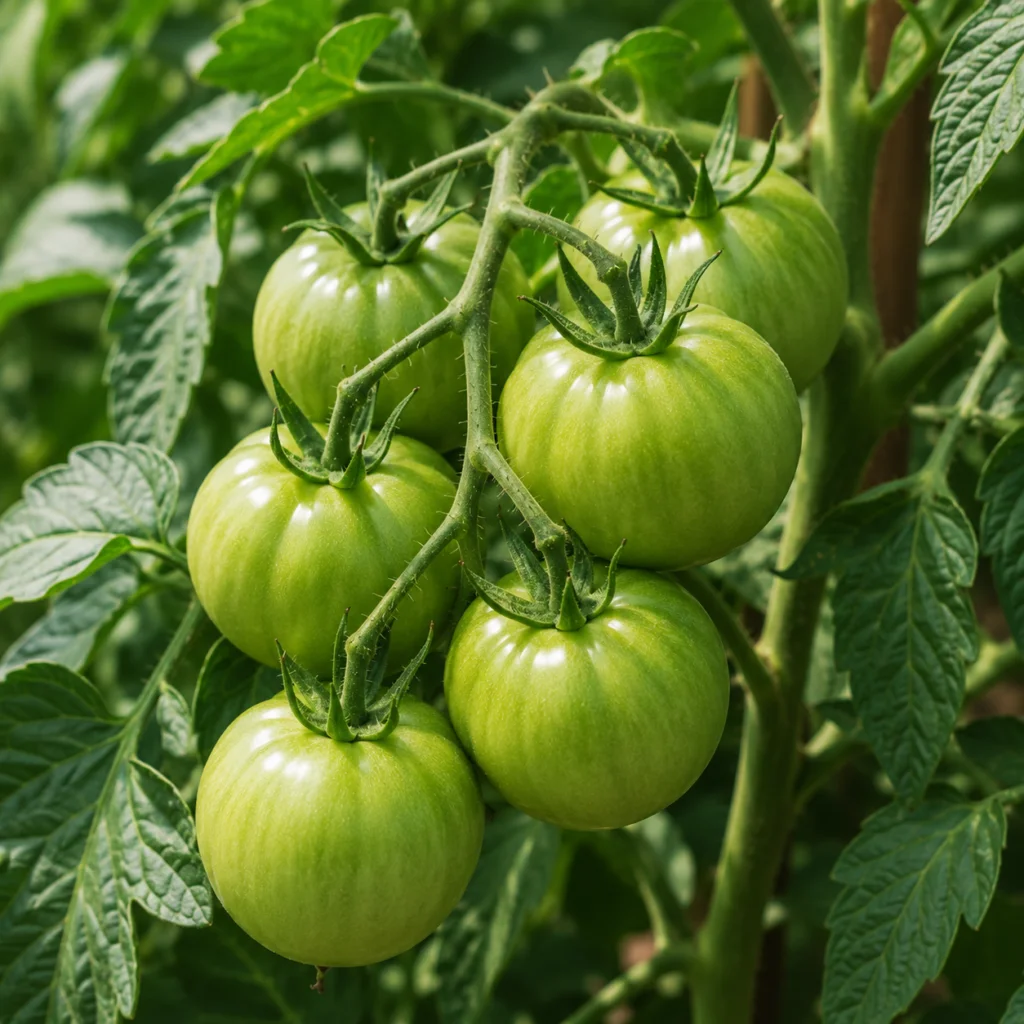
Primarily affecting tomatoes, this virus causes yellow or green spots on leaves and deformed fruits. There is no cure for this virus, but its spread can be prevented by using certified seeds and removing infected plants.
Tetranychids
This term refers to plant mites. If you’ve seen tiny white dots crawling on your plants, they could also be yellow or red; these are small spiders from the mite family, harmless to humans but dangerous for plants.
Natural Prevention Against Diseases in Fruit Plants
In addition to pruning and daily care, natural remedies can be employed to prevent diseases in fruit trees. Some of these remedies are highly effective in keeping pests at bay without harming the environment or plant health.
For example, neem oil is a natural remedy against pests like aphids, mites, and whiteflies. This oil acts as a natural insecticide that does not harm plants but inhibits the growth of harmful insects.
Additionally, garlic and pepper extracts are commonly used to prevent fungal infections, as the antibacterial properties of these natural ingredients help keep plants protected. The nettle maceration is also an excellent remedy for stimulating plant growth and protecting against fungal diseases.
Treating Diseases in Fruit Trees
When diseases have already manifested, prompt intervention is crucial. Various treatments, both chemical and natural, are available to combat diseases in fruit plants. However, it is essential to choose treatments based on the specific disease and the severity of the problem.
Chemical Fungicides
Chemical fungicides are effective against diseases such as gray mold and powdery mildew. However, they must be used cautiously, following instructions to avoid harming plants and the environment.
Biological Treatments
Biological treatments, such as using beneficial microorganisms (for example, Bacillus thuringiensis against pests), are a safe option for the garden. These treatments not only combat diseases but also enhance the overall health of the plants.
Removal of Diseased Parts
Often, the most effective care involves manually removing diseased leaves, fruits, or branches. This helps prevent the spread of disease and reduces the risk of further compromising the plant.
Constant Monitoring for Lasting Protection
Constant monitoring of the health of fruit trees is essential for effectively preventing and treating diseases. Regularly checking plants for signs of illness or stress allows for timely intervention, preventing the problem from spreading. Furthermore, a monitored plant is easier to care for and less susceptible to severe diseases.
Conclusions
In conclusion, the health of fruit plants in gardens depends on multiple factors, but regular maintenance and proper pruning are among the most effective practices for disease prevention. Familiarizing oneself with pruning techniques, using natural remedies for disease protection, and continuously monitoring the health status of plants are all crucial steps in ensuring a bountiful harvest and healthy fruits.
With the right approach, fruit-bearing plants in the garden can thrive, providing joy and satisfaction for the whole family.