The Disappearing Heritage of French Historical Gardens
French historical gardens face threats from high maintenance costs, labor shortages, and climate change. Solutions include volunteering, supporting associations, and pursuing training.
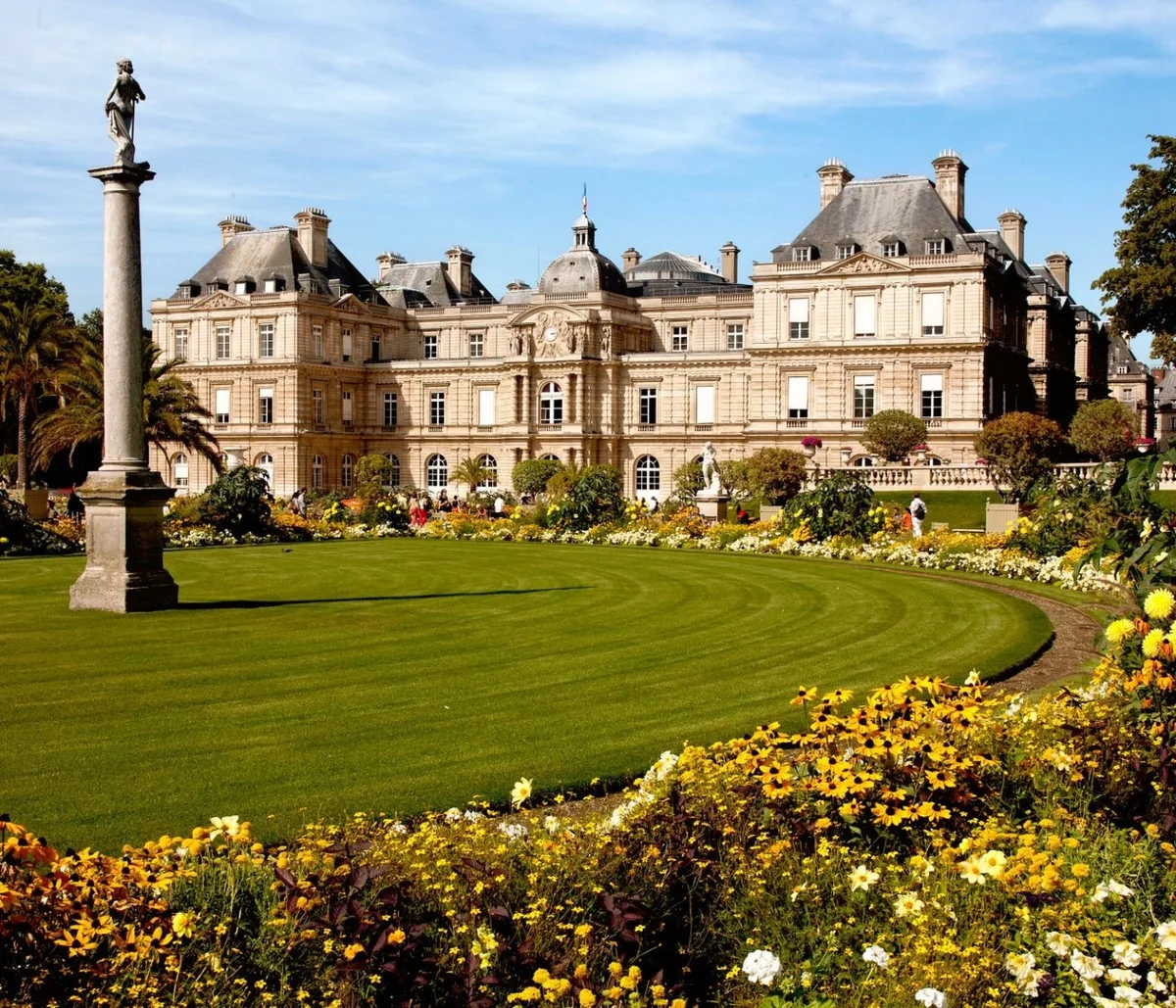
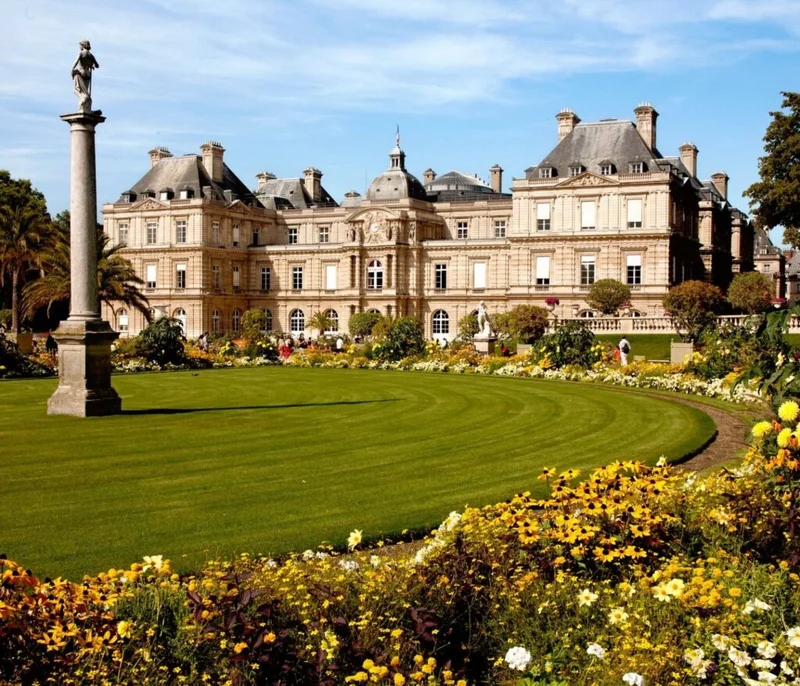
The charm of French historical gardens is fading, threatened by high maintenance costs, a shortage of skilled labor, and the impacts of climate change. Maintaining these landscapes can cost as much as €200,000 annually for larger parks, according to the Association of Parks and Gardens of France. This financial burden, coupled with insufficient public subsidies, particularly affects private owners.
The Problem: Treasured Landscapes at Risk
French historical gardens are not just beautiful; they are part of the country’s cultural heritage. However, many of these gardens are falling into disrepair, with overgrown pathways, dried-up ponds, and statues suffering from moss damage. Despite their designation as "Remarkable Gardens," their future is uncertain.
The Root Causes of Decline
Why is Maintenance So Expensive?
The costs associated with maintaining these gardens are staggering. Tasks such as shaping hedges, restoring fountains, and replacing ancient trees contribute to high annual expenses, which can reach €200,000 for a chateau park. This financial strain is exacerbated by a lack of adequate public funding, especially for private garden owners.
A Disappearing Skilled Workforce
There is a concerning decline in specialized gardening professions. Roles such as topiary gardeners and fountain restorers are becoming increasingly rare. According to the Ministry of Culture, fewer than 300 heritage gardeners are currently active in France, largely due to the lengthy and undervalued training required.
Climate Change and Invasive Species
The iconic boxwood, a staple in French gardens, is being devastated by pests like the box tree moth. Additionally, droughts are weakening yews, while invasive exotic plants threaten to overshadow traditional species, creating a complex challenge for preservation.
Solution 1: Simple Actions Within Everyone's Reach
Participate in Volunteer Projects
One way to contribute is by getting involved in volunteer projects at gardens like Villandry or Vaux-le-Vicomte. Participants can learn skills such as gentle pruning and manual weeding, which can be both rewarding and educational.

Report Damages
Using citizen apps like "Heritage at Risk" allows individuals to report damages and alert local authorities. This simple action can take just a couple of minutes but has a significant impact on conservation efforts.
Visit and Buy Local
Every paid entry to these gardens helps fund their maintenance. Visitors are encouraged to explore and purchase local products available on-site, further supporting the gardens' upkeep.
Solution 2: Support Associations and Philanthropy
Join a Preservation Association
Organizations such as "Demeure Historique" and "Vieilles Maisons Françaises" offer membership opportunities that come with benefits like private visits, workshops, and tax-deductible donations.
Engage in Corporate or Individual Sponsorship
Individuals can sponsor specific elements of the gardens, such as a tree or a fountain. For instance, a benefactor recently funded the restoration of a maze at an abbey, demonstrating the impact of philanthropy on preservation.
Organize Events
Hosting concerts, exhibitions, or countryside picnics can raise funds while increasing awareness about these historic sites.
Solution 3: Training and Career Change
Recognized Training Programs
There are various recognized training programs available, including a CAP in "Heritage Gardening" and a BTS in "Nature Management and Protection." These programs typically last between one and two years, with costs ranging from €500 to €3,000.
Start a Specialized Business
Aspiring professionals can consider establishing a business focused on hedge trimming, fountain restoration, or park management. Some artisans have successfully taken over classified gardens and turned their passion into a livelihood.
Public Assistance for Owners
There are public grants available through the DRAC, the "Remarkable Garden" label, and European LEADER funds. While the application process can be cumbersome, it is possible for garden owners to secure financial support.
Next Steps
Visitors can start by participating in a volunteer project, joining a preservation association, and, for those passionate about gardening, pursuing formal training.
- Step 1: Join a volunteer project.
- Step 2: Become a member of an association.
- Step 3: If passionate, pursue further education.
Today, consider choosing a garden near you and become an advocate for its revival. Who knows, you might find yourself as a guardian of a historical garden in the future!
What is a Historical Garden in France?
A historical garden is designated as a "Remarkable Garden" by the Ministry of Culture, based on criteria such as age, artistic significance, and the presence of rare species.
What is the Annual Maintenance Cost for a Historical Garden?
Maintenance costs can vary widely, from €5,000 for a small private garden to €200,000 for a chateau park.
Can I Visit a Historical Garden for Free?
Yes, many historical gardens offer free entry during events like "Rendez-vous aux jardins" or through open house days.
How Can I Tell if a Garden is at Risk?
You can check the red list from the Observatory of Historical Gardens or local association alerts to find out if a garden is in jeopardy.