The Benefits of Tomato Houses for Enhanced Yields
Explore how a tomato house can enhance yields by providing protection and optimal growth conditions. Learn about types, features, and care tips for successful tomato gardening.
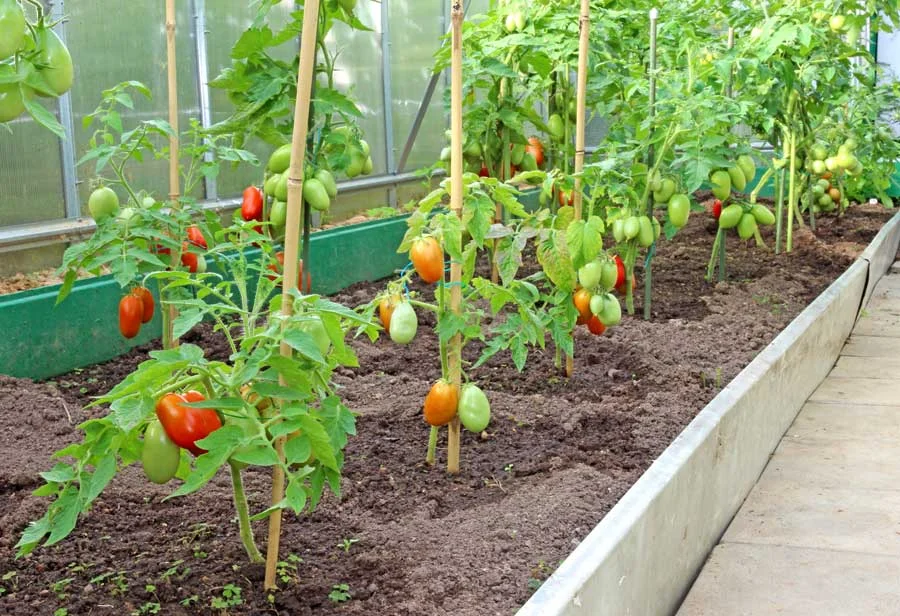
The focus of this article is to explore how a tomato house can significantly increase yields. Understanding what a tomato house is and the key factors to consider when selecting one is essential. Additionally, we will discuss the advantages and disadvantages of using a tomato greenhouse, along with helpful care tips for tomato gardeners.
What is a Tomato House?
A tomato house is a specialized type of small greenhouse, typically featuring an open roof. It serves to protect tomato plants from rain, wind, and cold, while also preventing diseases and pest infestations, creating a warmer climate conducive to optimal growth. Excess moisture, particularly from rain, is a primary cause of fungal diseases in tomatoes. Generally, tomato houses are constructed from a wooden or metal frame, with three walls and a roof, and the sides are covered with film or polycarbonate panels.
What to Consider When Choosing a Tomato Greenhouse?
Variants of Tomato Houses
Tomato greenhouses come in various styles and designs available in specialty stores. The differences mainly lie in the construction and materials used. Naturally, higher-quality materials lead to a higher price, with premium models costing several hundred euros.
Features
Basic tomato houses often include a zippered door opening and window-like openings, with a mesh fabric to keep pests at bay. In contrast, higher-end models typically feature a foundation and a sturdy door. It's also important to differentiate between leaning and freestanding tomato greenhouses.
Material Differences
Tomato houses can vary significantly in material, with options including film tunnels, glasshouses, and plastic greenhouses. Film tunnels consist of a simple frame covered with a special film, making them cost-effective and easy to assemble, although they have a shorter lifespan and less stability in windy conditions. Glasshouses are traditional, offering optimal light conditions and durability but can be prone to damage from hail and storms, and they are expensive to purchase. Plastic greenhouses present a balanced solution, being lighter than glass and shatterproof. They are also more affordable than glasshouses while providing excellent thermal insulation and light permeability, which are ideal for tomato cultivation.
Size
When it comes to size, the available space is a crucial factor in the selection process. Additionally, the types of tomato varieties being grown influence space requirements, as many tomatoes have different growth needs. An average tomato house can accommodate approximately five tomato plants.
How Does a Tomato Greenhouse Increase Tomato Yields?
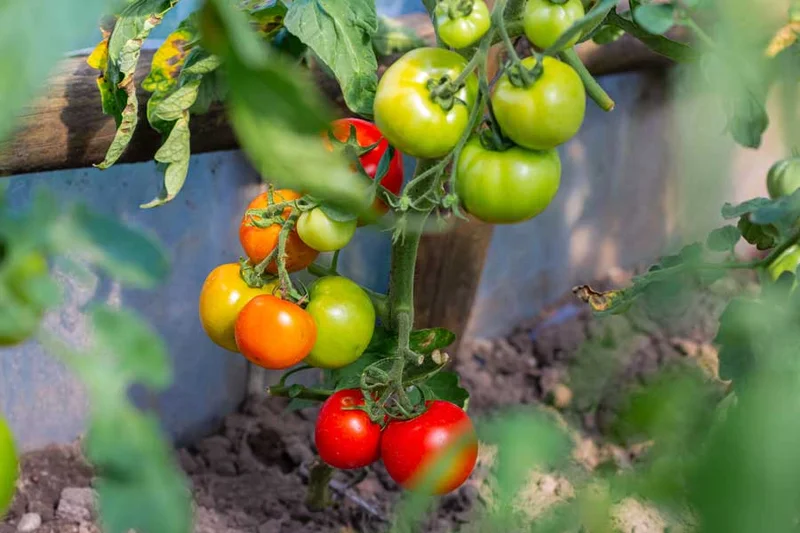
As highlighted, a tomato greenhouse significantly boosts yields by offering protection from the elements and creating a warm, pleasant microclimate. This combination accelerates tomato growth and extends the harvesting period. The dry environment of the greenhouse helps prevent fungal spores from affecting the plants, enhancing plant protection. Furthermore, the higher temperatures and controlled conditions result in stronger plants with healthier fruits. This sheltered environment allows for earlier planting of tomato seedlings and increases the overall yield per season due to the prolonged harvest time. The cover also aids in maintaining consistent growth conditions, allowing for better control over lighting, temperature, and humidity levels.
How to Train Tomatoes?
Interestingly, tomatoes can be trained through regular pruning, which involves removing side shoots from the leaf axils. This practice directs energy toward the main stem. By staking the tomato plants upward and pinching off the tips in August, ripening can be accelerated. To promote better air circulation, the lower leaves should be removed. The side shoots, known as suckers, tend to produce less foliage and flowers, resulting in smaller fruit sizes. Therefore, pruning these shoots ultimately enhances yield quality. Experienced tomato growers adhere to the principle of "quality over quantity."
Advantages and Disadvantages of a Small Greenhouse
Tomato greenhouses are specifically designed for tomato cultivation, providing protection and optimal growing conditions for this popular vegetable. Several reasons support the investment in a tomato greenhouse:
– Protection from cold, rain, and wind – Reduced risk of diseases – Cost-effective – Functional and space-saving – Easy to set up
Overall, this leads to better control over diseases and pest infestations, resulting in larger tomato plants and tastier fruits.
On the downside, the initial investment and ongoing costs for energy and maintenance can be higher. In summer, a fan may also be necessary for improved air circulation. Over time, these costs can accumulate. Additionally, tomatoes in a greenhouse require considerable attention and care, and overheating can be a potential issue during the summer months.
Care Tips for a Bountiful Tomato Harvest
For healthy growth, tomatoes require a consistent water supply. Regular watering is crucial for successful tomato cultivation in a greenhouse. Both overwatering and underwatering can harm the plants. However, water alone is insufficient; tomatoes also need a variety of nutrients, including nitrogen, phosphate, and potassium. Tomatoes have a high nutrient demand, and a deficiency often leads to yellowing leaves. Support structures are beneficial for taller tomato plants, preventing them from toppling over. Materials such as wood, plastic, or bamboo can be used for this purpose. Pruning also encourages fruit development, leading to larger, ripe tomatoes. Lastly, it is essential to recognize diseases such as blight early, especially during humid summers, as they can quickly spread. Infected leaves may develop dark spots, and similar discoloration can occur on the fruit, leading to hardening of the flesh. In such cases, prompt use of plant protection products is necessary.
Conclusion
As demonstrated, investing in a tomato house can significantly enhance seasonal yields. In a protected environment, tomato plants can thrive, facing fewer weather-related challenges and diseases than those grown outdoors. When selecting a greenhouse, factors such as space, height, material, ventilation, and stability should be carefully considered.