Spring Planting for Winter Harvests: A Guide to Successful Gardening
Explore effective spring planting strategies for winter vegetable harvests, including timing, vegetable selection, and climate risk management.
Spring Planting for Winter Harvests
August 16, 2026
Effective timing can transform an ordinary garden into a continuous source of fresh vegetables throughout the winter months. A well-planned garden requires careful attention to planting schedules starting in spring to ensure satisfactory winter yields. By focusing on spring sowing, gardeners can prepare for the slow growth of many species that will provide essential vitamins and flavors when other crops have faded away. This proactive approach is crucial in light of climate uncertainties and the nutritional needs of families.
When to Start Sowing for Winter Vegetables
The planting calendar should align with the growth rates of various vegetables and local temperature conditions. The earliest sowings should be scheduled once the harshest frosts have passed, although the exact timing will vary by region. A good practice is to keep a record of sowing and transplanting dates each season to refine your calendar year after year.
Root vegetables and cabbages typically require several months to reach their winter maturity. In colder areas, starting seedlings indoors or in heated pots is often necessary to ensure proper development before outdoor planting. Early sowing does not mean rushing; it is essential to monitor weather conditions and adjust garden activities based on late frost occurrences.
Planning also includes crop rotation and land use during the summer months. This organization helps minimize diseases and optimizes soil use while ensuring a continuous harvest. By anticipating the purchase of seeds and protective materials like row covers or tunnels, gardeners can cultivate a more serene gardening experience.
Which Vegetables to Sow in Spring for Winter Harvests
Certain species require an early start due to their slow growth rates. Leafy and root varieties that can withstand frost need to be well established before autumn to ensure optimal quality in winter. Here’s a practical breakdown to guide your sowing:
- By the end of April: cabbages, leeks, celery, sorrel.
- By the end of May: parsnips, cardoon, salsify.
- By the end of June: carrots, beets, cabbages in warmer climates.
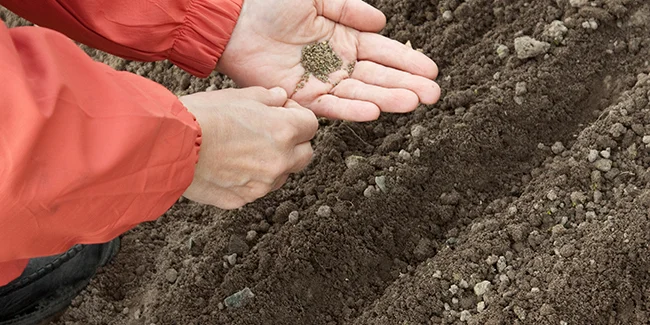
Carrots, in particular, require special attention during germination, as winter or summer heat can hinder seed sprouting. Keeping the soil moist and providing slight shading can assist in seed emergence. Local adaptations are crucial, and selecting varieties that are more resistant to cold can lead to greater success.
Care for Seedlings and Plant Preservation
Protecting plants from extreme weather becomes essential once they reach a sufficient size. Tunnels, cloches, and frost blankets can extend the harvesting period and reduce the risk of severe frost damage. Additionally, managing irrigation and mulching is key to stabilizing soil moisture.
Gradual fertilization promotes a robust root structure and enhances cold resistance. Applying well-decomposed compost at transplanting provides necessary nutrients without harming young roots. It’s advisable to stagger nutrient applications to prevent rapid growth just before winter.
Practical Planning Based on Vegetables and Climate Risks
A summary table can help visualize deadlines and actions required for each crop, facilitating seed distribution and the logistics of protective measures. Below is a recap guide to adapt according to your microclimate:
| Vegetable | Sowing Deadline | Practical Tips | |-----------|----------------|----------------| | Leek | End of April | Early sowing in pots, then transplanting in summer, hilling before winter | | Cabbage | End of April to June (variety dependent) | Use tunnels for cold areas, select hardy varieties | | Carrot | End of June | Keep soil moist during germination, provide light shade if necessary | | Parsnip | End of May | Deep, loose soil, sow in place | | Beet | End of June | Sow in rows, regular thinning required |
Mitigating Climate Change Risks
Extreme weather events necessitate thoughtful choices when preparing for sowing. Selecting suitable varieties, planning for modular shelters, and maintaining a water reserve for irrigation can mitigate the impact of uncertainties. Spreading sowing over several weeks can also help avoid total loss during severe weather episodes.
Simple practices like mulching, staggered sowing, and setting up temporary shade structures can enhance the chances of success. Regular monitoring and adjusting the planting calendar based on local observations can provide a significant advantage. Learning from seasonal experiences gradually transforms your garden into a resilient and productive system.