Rediscovering Forgotten Vegetable Varieties
Explore the rich diversity of forgotten vegetable varieties that once thrived in gardens. Discover their unique flavors, histories, and how to grow them.
As I stroll through garden centers today, a sense of loss often washes over me. The vegetable sections appear to showcase the same familiar carrots, salads, and cabbages. While there’s nothing inherently wrong with this uniformity, those of us who have been gardening for decades recall a time when a remarkable diversity thrived in home gardens. Many varieties that once graced our grandparents' tables have nearly vanished.
These forgotten vegetables hold a wealth of potential. They surprise us with unique flavors, impressive hardiness, and captivating histories that date back centuries. Some were cultivated as far back as the Middle Ages, while others were staples of diets just a hundred years ago.
Today, I want to introduce you to several of these old vegetable varieties. You might even discover a plant that could soon flourish in your own garden, evoking memories of childhood flavors.
The Disappearance of Old Vegetable Varieties
The reasons behind the decline of many traditional vegetable varieties are complex. As vegetable farming became more industrialized, traits such as long shelf life, uniform size, and good transportability became paramount, often overshadowing flavor.
Many historical vegetable varieties do not meet these commercial standards. They may grow in varying sizes, exhibit unusual shapes, or lack the ability to be stored for extended periods. Consequently, they have become less appealing for market distribution.
Additionally, some of these plants require more patience to cultivate. While modern varieties are often bred for quick yields, older types may take longer to mature. However, this very characteristic adds to their charm. Gardeners who choose to grow nearly forgotten vegetables can bypass long transport routes; here, taste, diversity, and the joy of gardening take precedence.
The Unique Qualities of Forgotten Vegetable Varieties
Old vegetable varieties possess attributes that are increasingly valued today. Many are characterized by:
- Exceptional flavors
- High adaptability
- Long-standing traditions
- Fascinating histories
- Significant contributions to biodiversity
In contrast to modern varieties that often taste quite similar, historical vegetables offer a remarkable range of flavors, some reminiscent of oysters, others of nuts or sweet chestnuts. Moreover, they play a crucial role in preserving genetic diversity. Each variety that continues to be grown helps maintain a piece of cultural history, and these varieties are often open-pollinated.
Oat Root – The Oyster Vegetable of Our Ancestors
The oat root is among the oldest root vegetables in Europe, having been cultivated since the Middle Ages. Its common name, "oyster plant," is well-deserved, as the cooked roots develop a flavor reminiscent of oysters.
These plants produce long, pale taproots that can be harvested in the fall and winter. In culinary applications, they can be prepared similarly to black salsify. Their delicate flavor often surprises those who taste oat root for the first time, revealing a surprisingly aromatic quality.
Black Salsify – The Forgotten Winter Treasure
Once referred to as "winter asparagus," black salsify was a valuable food source during times when fresh vegetables were scarce in winter. Known as the "poor man's asparagus," this plant originally hails from Southern Europe and produces long black roots with white interiors.
Its flavor is indeed somewhat akin to asparagus, but it is heartier and spicier. Despite its hardiness and ease of growth, it is rarely cultivated today, making it a fascinating choice for self-sufficient gardeners.
Good King Henry – The Wild Spinach of Old Gardens
Good King Henry was once a common sight in monastery and cottage gardens. This perennial leafy vegetable has been valued for centuries, with young leaves that can be prepared much like spinach.
Notably, nearly every part of the plant is edible, including young shoots, leaves, and even seeds. Its decline in gardens is primarily due to the faster growth and higher yields of modern spinach varieties. However, those seeking a robust and low-maintenance vegetable should definitely give it a try.
Crosne – The Curiously Unique Root Vegetable
Visitors are often astonished when I show them crosne, with its small white tubers resembling tiny pearl necklaces. This plant originated in China and Japan and made its way to Europe in the 19th century, where it was briefly considered a delicacy.
Crosne tubers have a mild, slightly nutty flavor and retain a pleasant crunch even after cooking. This unusual vegetable is not only a conversation starter but also an attractive addition to any garden.
Earth Almond – The Sweet Tuber with a Rich History
The earth almond has a history that dates back to ancient Egypt. Botanically, it is not a true almond but rather the tubers of a sedge. These small tubers have a pleasantly sweet flavor, reminiscent of a blend of almond, hazelnut, and coconut.
Today, the earth almond is experiencing a revival, particularly in the form of earth almond flour and plant-based milk alternatives. It is surprisingly easy to grow in the garden.
Tree Spinach – The Colorful Vegetable from Bygone Eras
Tree spinach is among the most decorative of vegetable plants. Its young shoots often shine in vibrant shades of purple or magenta, providing striking color accents in the vegetable patch.
Believed to have originated from the Himalayan region, this plant has been cultivated for centuries. The leaves can be used like spinach and have a pleasantly mild flavor. Those looking to combine edibility with ornamental appeal will love tree spinach.
Table Beet – Once a Staple of European Diets
Before the potato took Europe by storm, table beets were a significant part of the diet. For many centuries, various beet varieties were among the most important cultivated crops.
Particularly favored were:
- Fall beets
- White beets
- Yellow beets
- Swede beets
Today, many of these old vegetable varieties are making a comeback due to their ease of cultivation and versatility in the kitchen. No longer considered food for the poor, beets are now seen as a delicacy.
Parsnip – The Winter Vegetable of Our Ancestors
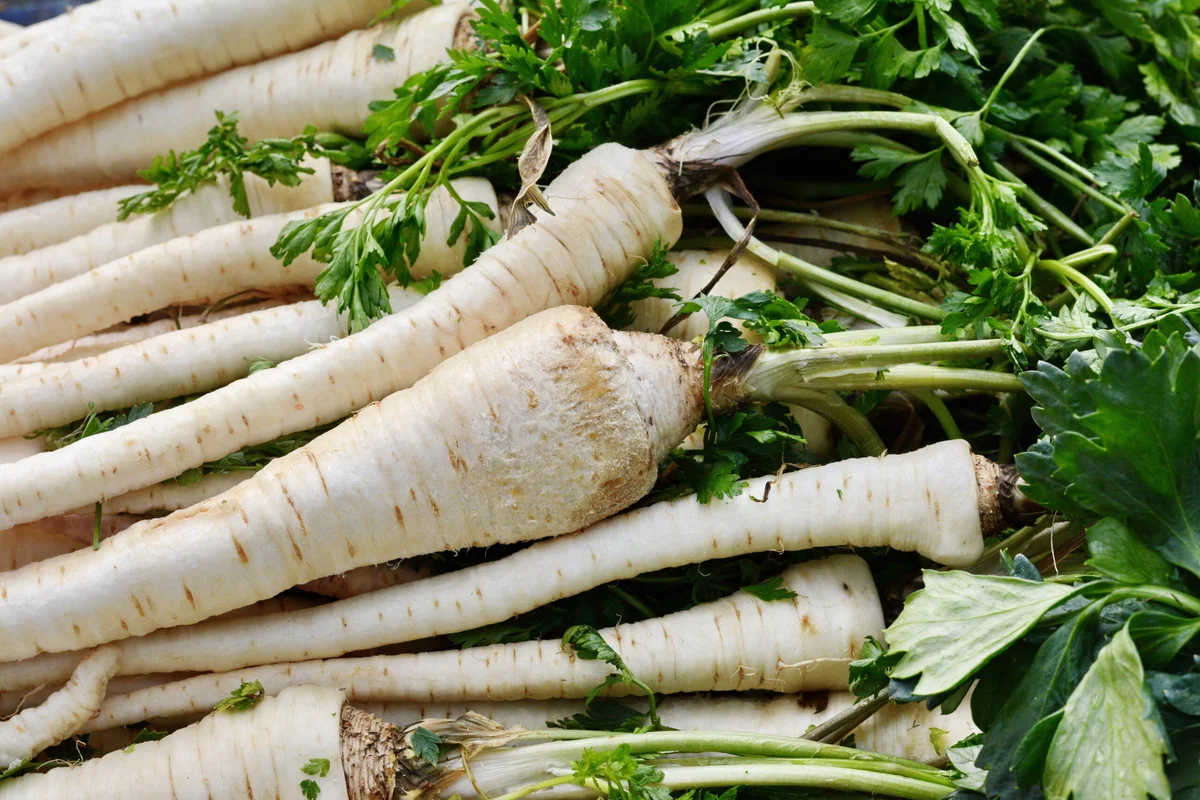
Parsnips were once more prominent than carrots. Over time, they were overshadowed by modern carrot varieties. However, parsnips have a distinct flavor that evokes nuts, celery, and carrots.
They are excellent for:
- Soups
- Purees
- Roasted vegetables
- Stews
Additionally, they withstand frost remarkably well, and many gardeners leave the roots in the ground throughout winter.
May Turnip – Tender, Mild, and Surprisingly Versatile
The may turnip is one of the oldest vegetable crops in Europe. Unlike many other turnips, it has a particularly mild and slightly sweet flavor.
Within just a few weeks of sowing, the first tubers can be harvested. This vegetable is ideal for beginners due to its rapid growth and minimal care requirements. The young leaves are also edible and can be used like spinach.
Cardoon – The Forgotten Sister of the Artichoke
Cardoon, also known as cardy, was once commonly found in monastery and castle gardens. This plant is closely related to the artichoke and features impressive silvery-gray leaves.
The leaf stalks are harvested, often bleached before picking. Their flavor is reminiscent of artichokes but with an additional hint of nuttiness. In the garden, cardoon quickly becomes a focal point.
Sugar Root – Sweet Delicacy from the Middle Ages
Sugar root is one of the oldest vegetable plants in Europe, highly prized since the Middle Ages. The white roots contain natural sugars and have a pleasantly sweet taste.
In the past, they were boiled, fried, or even candied. Today, this extraordinary vegetable is largely forgotten, yet it is perfect for organic gardens.
Which Forgotten Vegetable Varieties Are Best for Beginners?
If you’re eager to try growing old vegetable varieties for the first time, I recommend:
| Vegetable Variety | Difficulty Level | Special Feature | |-------------------|------------------|------------------| | Parsnip | Very Easy | Winter-hardy | | May Turnip | Very Easy | Quick harvest | | Black Salsify | Easy | Winter vegetable | | Tree Spinach | Easy | Decorative | | Good King Henry | Easy | Perennial |
These varieties are forgiving of minor mistakes and typically produce reliable yields. Of course, many other types can also be grown in your garden.
Where to Find Seeds for Old Vegetable Varieties
Today, numerous suppliers specialize in historical vegetable varieties. You can also find old varieties at:
- Seed exchanges
- Plant markets
- Preservation initiatives
- Exchange events
These venues often offer varieties that are not available in regular garden centers.
My Personal Advice After Decades of Gardening
Reflecting on my many years in the garden, I regret only one thing: not rediscovering some of these old vegetable varieties sooner.
Modern varieties have their place, but forgotten vegetables bring back something that is often missing today: surprise, diversity, and character. Each of these plants tells its own story and enriches the garden in unique ways.
Preserving Old Varieties and Rediscovering Vegetables
Forgotten vegetable varieties are far more than mere nostalgia. They offer exciting taste experiences, promote biodiversity, and preserve an important piece of gardening culture.
Whether it’s oat root, crosne, Good King Henry, or sugar root, each of these historical vegetable varieties deserves a place in the modern home garden.
Consider reserving a small corner of your garden for one of these old cultural plants in your next gardening year. I promise the harvest will not only enrich your meals but also transform your perspective on the fascinating diversity of our gardening world.
Please share which old vegetable varieties you have in your garden. Leave a comment—we're eager to hear your stories.