Preserving Zucchini: Techniques for Enjoying Your Harvest
Explore various methods to preserve your zucchini harvest, from freezing and drying to pickling and fermenting, ensuring you enjoy your crop long after the growing season.
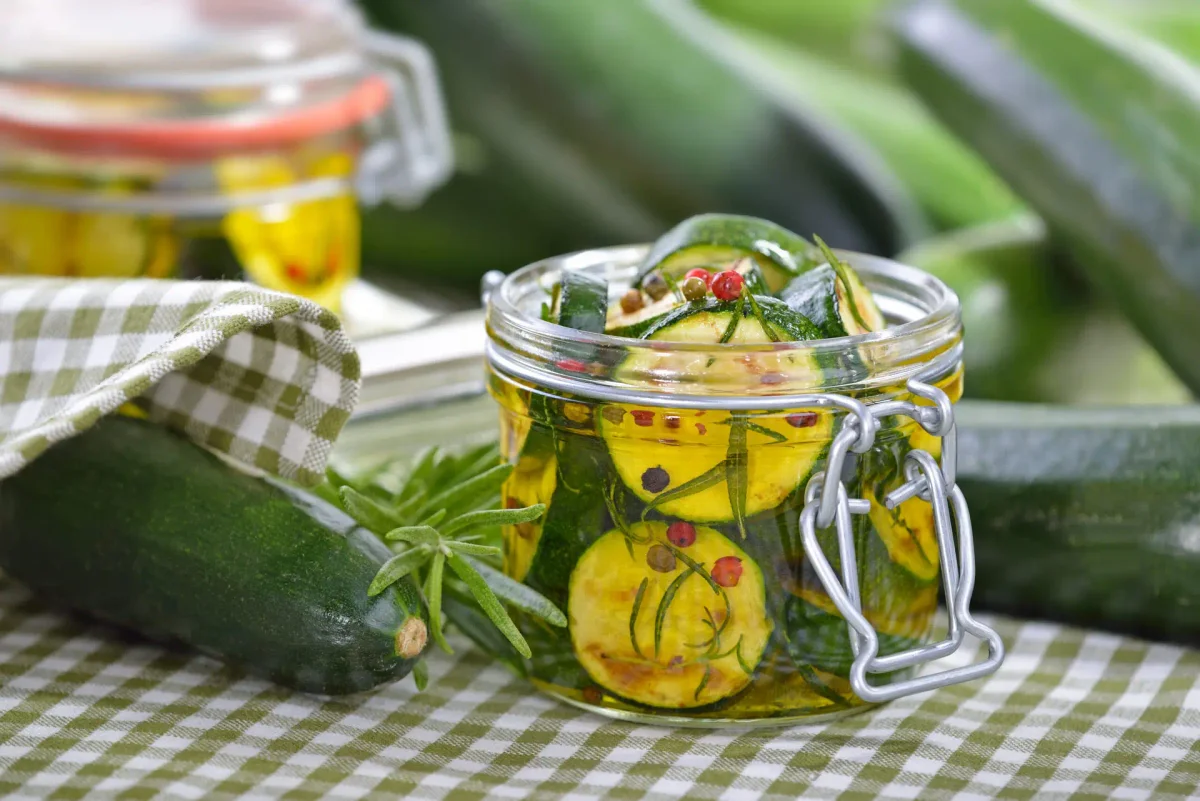
If you've ever grown zucchini, you know how prolific these plants can be. They thrive in the garden and produce an abundance of fruit, often leading to a surplus that can leave you wondering how to manage the harvest.
Fortunately, there are various methods to preserve zucchini, ensuring you can enjoy your crop long after the growing season. Each preservation technique is suitable for different culinary applications, allowing you to utilize your entire harvest without wasting any produce.
Short-Term Storage for Fresh Zucchini
Fresh zucchini has a limited shelf life. Young, firm fruits with smooth skin can stay fresh for about a week when stored in a cool, dry place. While the refrigerator can be used for short-term storage, it is not ideal since zucchini is sensitive to cold. If necessary, the vegetable drawer can be a temporary solution, but prolonged storage can degrade the quality.
To maximize freshness, wash zucchini just before using them, as moisture on the skin can shorten their lifespan. Additionally, any bruised or damaged fruits should be used first, as they tend to spoil quickly.
Larger zucchini are less suitable for fresh storage due to their thicker skin and larger seeds, which can cause them to deteriorate faster. It is best to process these into soups, sauces, chutneys, or shredded for later use.
Choosing the Right Preservation Method
The method you choose to preserve zucchini should align with your intended use to achieve the best results:
Method | Suitable for | Result --- | --- | --- Freezing | Soups, sauces, stir-fries | Softer pieces or shreds Drying | Soup additions, vegetable chips | Long shelf life, intensified flavor Pickling | Snacks, grill sides, antipasti | Tangy and flavorful Fermenting | Cold sides, bowls, salads | Fresh and tangy Canning | Cheese dishes, burgers, grill meals | Sweet-sour and spicy Pre-cooking | Quick meals | Ready-to-use base for future dishes
Freezing is the simplest method, while pickling works well for small, tender fruits. Larger zucchinis are best shredded, diced, or cooked for storage.
Freezing Zucchini
Freezing is ideal if you plan to cook with zucchini later. After thawing, the texture becomes softer, making frozen zucchini pieces suitable for soups, sauces, casseroles, and stir-fries, but not for fresh salads.
To prepare zucchini for freezing, start by washing them, trimming the ends, and cutting them into cubes or slices based on how you plan to use them. Cubes can be added directly to soups or sauces, while slices are great for stir-fries. Shredded zucchini is useful for fritters, cakes, or quick sauces.
You may blanch the pieces briefly before freezing to better preserve their color and quality. This involves immersing them in boiling water for a few minutes, then cooling them quickly in cold water and draining thoroughly. While raw freezing is an option, it often results in a watery texture upon thawing.
Shredded zucchini can be frozen raw in portions. After thawing, excess moisture can be squeezed out for use in cakes, fritters, or sauces.
Drying Zucchini
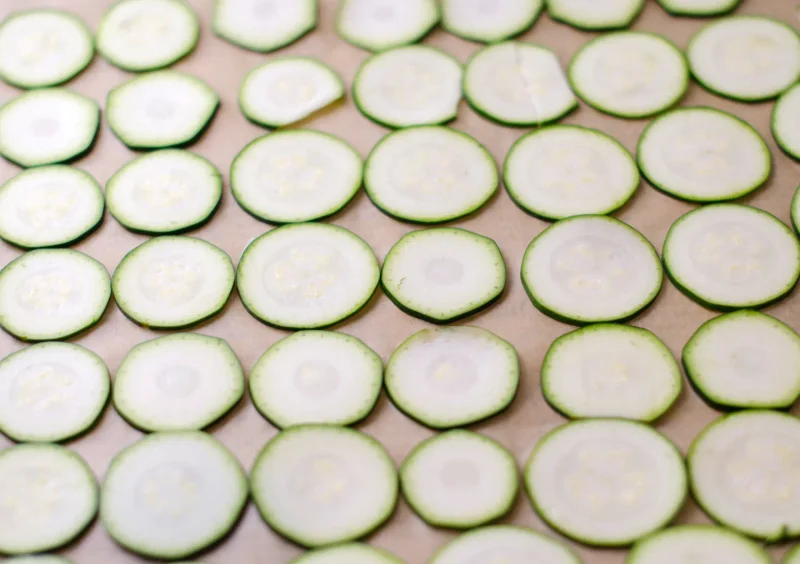
Dried zucchini is a fantastic option for those with limited pantry space. They are perfect for soups, sauces, stir-fries, or homemade vegetable broth. Thin slices work well for chips, while small cubes are also suitable for cooking.
To prepare zucchini for drying:
- Wash the zucchini and trim the ends.
- Slice into approximately 5-millimeter thick pieces.
- Cut larger slices in half or quarters.
- Pat the cut surfaces dry with a clean cloth.
- Lay pieces out in a single layer to ensure proper air circulation.
In a dehydrator, zucchini should be dried at about 55 to 60 degrees Celsius. Thin slices typically require 8 to 12 hours, while small cubes may take 10 to 14 hours, depending on thickness and moisture content.
You can also dry zucchini in the oven, though it requires more monitoring. Place the zucchini on a baking sheet lined with parchment or on a rack, set the oven to around 60 degrees Celsius, and keep the door slightly ajar to allow moisture to escape. This process generally takes 6 to 10 hours, and the pieces should be turned occasionally.
The zucchini is ready when it feels dry, leathery, and slightly brittle. Ensure they cool completely before storing in clean, airtight jars or containers in a cool, dark, and dry place.
Pickling Zucchini
Pickled zucchini is an excellent way to preserve small to medium-sized fruits. They complement snacks, grilled dishes, cheeses, salads, or cold platters. A sufficiently acidic brine is crucial, as zucchini naturally contains low acidity.
For about 1 kilogram of prepared zucchini, you will need:
- 1 kilogram zucchini
- 500 milliliters water
- 500 milliliters vinegar (5% acidity)
- 80 to 120 grams sugar
- 2 tablespoons salt
- 1 to 2 onions
- Mustard seeds, peppercorns, dill, bay leaves, garlic, or chili to taste
The process involves:
- Wash the zucchini and trim the ends.
- Cut the fruits into slices, sticks, or cubes.
- Peel and slice the onions.
- Thoroughly clean jars and lids (sterilizing is best).
- Boil water, vinegar, sugar, salt, and spices.
- Add zucchini and onions to the brine and let them steep for 3 to 5 minutes.
- Fill hot zucchini into jars, covering completely with the hot brine.
- Seal jars immediately and allow to cool before storing in a cool, dark place.
After one to two weeks, the zucchini will be well-marinated. Unopened jars can be stored for several months in a cool, dark place. Once opened, they should be refrigerated and consumed promptly.
Fermenting Zucchini
Fermented zucchini acquires a fresh, tangy flavor, making it a delightful addition to sides, bowls, salads, or snack platters. However, they tend to be softer than fermented cabbage or pickles, so smaller jars are advisable.
For a large jar, you will need:
- 500 grams zucchini
- 500 milliliters water
- 10 grams salt
- Dill, garlic, peppercorns, mustard seeds, or chili to taste
Follow these steps:
- Wash the zucchini and trim the ends.
- Cut the fruits into thicker slices or sticks.
- Dissolve the salt completely in the water.
- Layer the zucchini tightly in a clean jar.
- Add the spices.
- Pour the brine over the zucchini until fully submerged.
- Use a clean weight to keep the pieces under the brine.
- Loosely cover the jar or use a fermentation lid.
- Let it sit at room temperature for 3 to 5 days, checking daily to ensure everything remains submerged.
- Taste and then refrigerate once desired flavor is achieved.
During fermentation, the pieces must remain submerged in the brine. A slight cloudiness and sour smell are normal, but any signs of mold, foul odors, or slimy texture indicate that the batch should be discarded. Store in the refrigerator and consume within 2 to 4 weeks, as they will soften over time.
Canning Zucchini
If you want to can zucchini, you can create chutney or relish. The mild flavor of zucchini absorbs spices well, and when combined with vinegar, sugar, onions, and other ingredients, it results in a sweet-sour preserve. Relish tends to be chunkier, while chutney is smoother and spreadable.
For about 4 to 5 small jars, you will need:
- 1 kilogram prepared zucchini
- 250 grams onions
- 250 grams apples or bell peppers
- 300 milliliters vinegar
- 200 to 250 grams sugar
- 1 tablespoon salt
- Curry, mustard seeds, ginger, chili, pepper, or turmeric to taste
To prepare:
- Wash the zucchini and trim the ends.
- Peel larger fruits if the skin is tough.
- Remove the spongy interior and large seeds.
- Dice or shred the flesh.
- Chop the onions, apples, or peppers.
- Combine everything with vinegar, sugar, salt, and spices in a large pot.
- Bring the mixture to a boil.
- Simmer for 30 to 45 minutes, stirring regularly to prevent sticking.
- Fill hot into clean jars and seal immediately.
- Allow to cool and store in a cool, dark place.
The chutney is ready when it has thickened and no longer runs watery from the spoon. Avoid significantly reducing vinegar and sugar, as both are essential for flavor and preservation. Unopened, canned zucchini can last about 3 to 6 months when stored properly. Once opened, keep in the refrigerator and consume quickly.
Pre-Cooking Zucchini
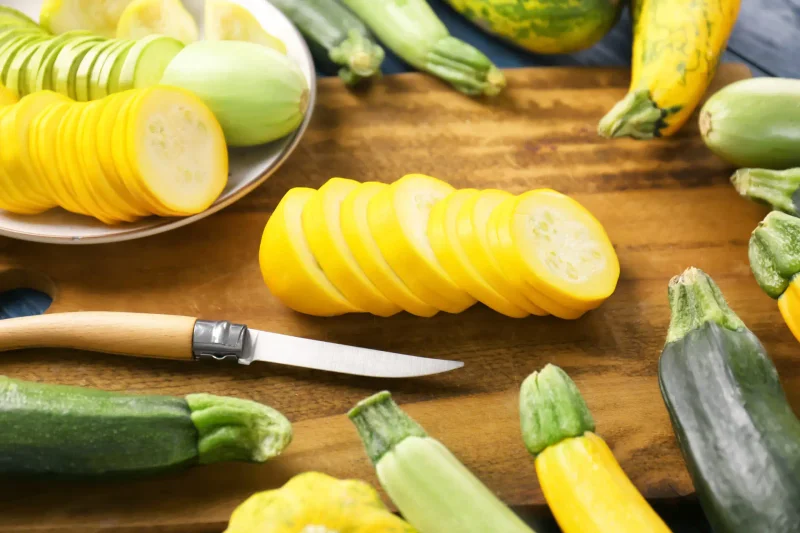
For larger harvests, it can be practical to pre-cook zucchini as a base for future dishes. However, do not simply store this hot mixture in the pantry; it is safest to freeze it in portions.
For a simple base, you will need:
- 1 kilogram zucchini
- 1 to 2 onions
- 1 to 2 garlic cloves
- 1 to 2 tablespoons oil
- 200 to 300 milliliters broth, pureed tomatoes, or diced tomatoes
- Salt and pepper
- Herbs to taste
The steps are:
- Wash the zucchini and trim the ends.
- Dice or coarsely shred the fruits.
- Chop the onions and garlic.
- Heat oil in a large pot.
- Sauté onions and garlic until translucent.
- Add zucchini and sauté briefly.
- Stir in broth or tomatoes.
- Cook for 10 to 15 minutes until tender.
- Leave chunky or puree as desired.
- Allow to cool completely before freezing in portions.
Season the base lightly. After thawing, you can decide whether to turn it into a soup, pasta sauce, creamy vegetable side, or a base for casseroles. Pre-cooked zucchini should be consumed within 2 to 3 days if refrigerated and can last about 6 months in the freezer. Always heat thoroughly before consuming.
Using Larger Zucchini
Larger zucchinis can have tougher skin and a spongier interior, with significantly larger seeds. Such specimens are not suitable for fine pickling. However, they can be effectively used in soups, sauces, chutneys, cakes, fritters, and vegetable patties. Prepare larger zucchinis as follows:
- Check the skin and remove if too tough.
- Halve the fruits lengthwise.
- Scoop out the spongy interior.
- Remove the large seeds with a spoon.
- Shred or dice the firm flesh.
Shredded zucchini can be frozen directly or used in fritters, cakes, and patties. Diced pieces are better suited for soups, sauces, or chutneys. If the flesh is very watery, you can lightly salt the shredded zucchini, let it sit briefly, and then squeeze out excess moisture.
Disposing of Bitter Zucchini
Bitter zucchinis are not just unpleasant in taste; they can also pose health risks. The bitter flavor indicates the presence of cucurbitacins, which can cause symptoms like nausea, stomach cramps, vomiting, and diarrhea. Cooking does not make these fruits safe to eat. Therefore, it is advisable to discard any zucchini that tastes bitter.