Choosing Materials for Your Garden Greenhouse
Learn how to choose the right materials for your garden greenhouse. This guide covers the advantages of steel, aluminum, and PVC, helping you find the best fit for your gardening needs.
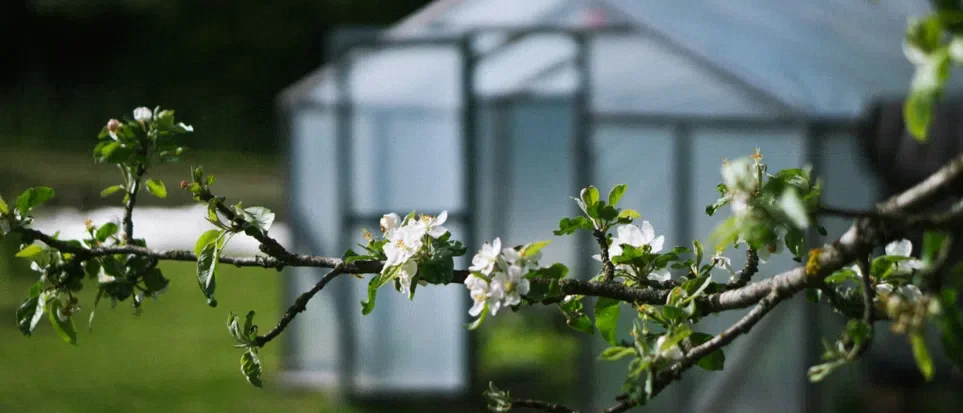
When considering a custom garden greenhouse, selecting the right materials is crucial. This guide helps you evaluate the benefits of various materials—steel, aluminum, and PVC—so you can make an informed decision based on your specific needs and circumstances.
The Importance of Material Choice for Your Greenhouse
A garden greenhouse serves a primary purpose: to create a more favorable environment for plant growth. It provides protection against climatic fluctuations and ensures more stable growing conditions. The choice of materials is significant, as it can affect both the interior light levels and heat retention.
Additionally, the materials used in a greenhouse determine its lifespan, particularly its resistance to moisture, as well as its maintenance requirements. They should align with the climate of the region and the practical needs of the gardener. A well-suited greenhouse takes into account the gardener's habits, whether they are intensive or more casual.
Profile
Structure Material
Recommended Glazing
Budget-friendly, seasonal use
PVC
PVC or single-wall polycarbonate
Humid/rainy regions (North, Brittany)
Treated aluminum
Double-wall polycarbonate
Windy areas, large installations
Galvanized steel
Tempered glass
Cold regions, year-round use
Aluminum or steel
Double-wall polycarbonate (insulating)
Hot regions (South, Mediterranean)
Aluminum
Heat-treated glass
What Materials to Choose for Your Greenhouse Structure?
PVC Greenhouses
Ideal for those on a tight budget or for occasional use, PVC greenhouses are lightweight and easy to assemble. However, over time, they may show some vulnerabilities to UV rays and weather conditions. While they are more economical upfront, their lifespan is shorter compared to aluminum or steel models.
Aluminum Greenhouses
Durable and low-maintenance, aluminum greenhouses withstand adverse weather conditions, particularly humidity, making them essential in the rainiest regions. Although they require little upkeep, aluminum conducts heat and cold effectively, which can lead to temperature fluctuations inside the greenhouse.
Steel Greenhouses
Extremely robust, steel greenhouses are recommended for windy regions and are particularly suitable for larger installations. To ensure their longevity, applying a corrosion-resistant treatment is essential.
Choosing the Right Greenhouse for Your Needs
Based on Your Usage
For smaller crops, the PVC greenhouse is often favored, as it protects plants in the spring without significant constraints. If you plan to utilize your greenhouse year-round, opt for aluminum or steel, paired with suitable glazing, to safely diversify your crops.
Be mindful that additional equipment may be necessary, such as heating, automatic ventilation, or artificial lighting, depending on the specific needs of your plants.
Based on Your Climate
In humid regions, aluminum remains the recommended choice due to its corrosion resistance.
In colder climates, a solid aluminum or steel structure is preferable, as it will better withstand harsh weather during autumn and winter.
In hotter areas where sunlight is abundant, the choice of material is less critical; focus instead on proper ventilation to prevent overheating in your greenhouse.
Selecting the best material for your garden greenhouse involves considering climate, budget, and intended use. Whether you choose aluminum, steel, or PVC, the key is to ensure that your greenhouse meets your gardening needs and cultivation plans. Besides the structural materials, pay attention to the glazing options. Polycarbonate is a versatile and practical choice, providing good insulation, while glass is often favored for its aesthetic appeal. For occasional use, PVC glazing is a cost-effective option.
FAQ on Choosing Greenhouse Materials
Aluminum or Steel: Which Lasts Longer for a Greenhouse?
An anodized aluminum structure can last 20 to 30 years with no special maintenance. Galvanized steel can last 15 to 25 years, provided a corrosion-resistant treatment is applied every 3 to 5 years to prevent accelerated rusting in humid environments. Aluminum generally outlasts steel in terms of maintenance-free durability, while steel offers superior mechanical strength for larger structures (over 12 m²).
Does Polycarbonate Yellow Over Time? How Long Does It Last?
Yes, untreated polycarbonate can yellow in 5 to 8 years, reducing light transmission by 10 to 20%. Higher quality panels, treated with UV protection on both sides, can maintain their clarity for 10 to 15 years. Always check for UV protection on both sides before purchasing.
Can a PVC Greenhouse Withstand Winter?
In mild winters (above −5 °C), a PVC greenhouse can protect seasonal crops. However, PVC becomes brittle at temperatures below −10 °C and can deform under heavy snow loads. For winter use in cold or mountainous regions, aluminum or steel are essential.
What Greenhouse is Best for Southern France and Very Sunny Areas?
In Mediterranean regions, the main concern is summer overheating rather than cold. The material is less critical; both aluminum and steel are suitable. Focus your budget on ventilation (automatic roof windows, side vents) and consider heat-treated glass or opal polycarbonate that diffuses light without concentrating it.
Glass or Polycarbonate: Which Glazing Should You Choose?
Glass provides the best light transmission (90% compared to 80-85% for polycarbonate), does not yellow, and lasts indefinitely, but it is heavy, fragile to impacts, and costs 30 to 50% more. Double-wall polycarbonate insulates better thermally, weighs ten times less, and is impact-resistant. It is recommended for most amateur uses, while glass is justified for permanent installations with significant aesthetic considerations.