🌱✨ Nurture Your Plants with Yeast: An Unexpected Gardening Tip! 🌿
Learn how to use yeast to pamper your plants with this surprising and effective method. Improve the health of your garden and promote optimal growth with simple, natural tips. Try it soon for amazing results!

A Natural Gardening Tip
Baker's yeast for plants is one of those little-known secrets among horticulturists that is incredibly inexpensive. Packed with B vitamins and minerals, it provides a natural boost to growth and flowering. Here’s a step-by-step guide on how to prepare and use it effectively.
What You Need
- Ingredient: Baker’s yeast or brewer’s yeast (even if expired)
- Dosage: Approximately 3 tablespoons per 1 liter of warm water
- Resting Time: A few hours (for activation)
- Frequency: Every 2 to 3 weeks
- Skill Level: Beginner, no special equipment required
Three Easy Steps
- Dilute the yeast in warm water.
- Let the mixture sit for a few hours.
- Water the base of your plants, repeating every 2-3 weeks.
This method is not a miracle cure; it serves as a supplementary homemade fertilizer to complement a healthy maintenance routine. When used properly, it remains an economical and eco-friendly alternative to commercial fertilizers.
Homemade Fertilizer for Indoor Plants
Yeast, commonly used in cooking to leaven bread and cakes, possesses unsuspected properties for gardening. Rich in B vitamins, proteins, and minerals, it promotes plant growth and stimulates flowering. These essential nutrients are crucial for plant health, enabling them to thrive vigorously.
How to Prepare and Use Yeast for Your Plants
Preparing Yeast Fertilizer
To begin, acquire brewer’s yeast or baker’s yeast, even if it’s past its expiration date. The recipe is simple: dissolve about three tablespoons of yeast in one liter of warm water. Allow the mixture to rest for a few hours to activate the microorganisms present in the yeast.
Applying the Fertilizer
- Prepare the Mixture: Dissolve about three tablespoons of yeast in one liter of warm water.
- Let It Rest: Wait a few hours to activate the yeast microorganisms.
- Water Your Plants: Use the mixture to water your plants, repeating the process every two to three weeks.
- Supplement at the Base: Optionally, add a bit of yeast directly at the base of the plants for an additional nutrient boost.
Benefits of Yeast for Different Plants
The effects of yeast can vary depending on the type of plant. Here are three cases where it proves particularly beneficial:
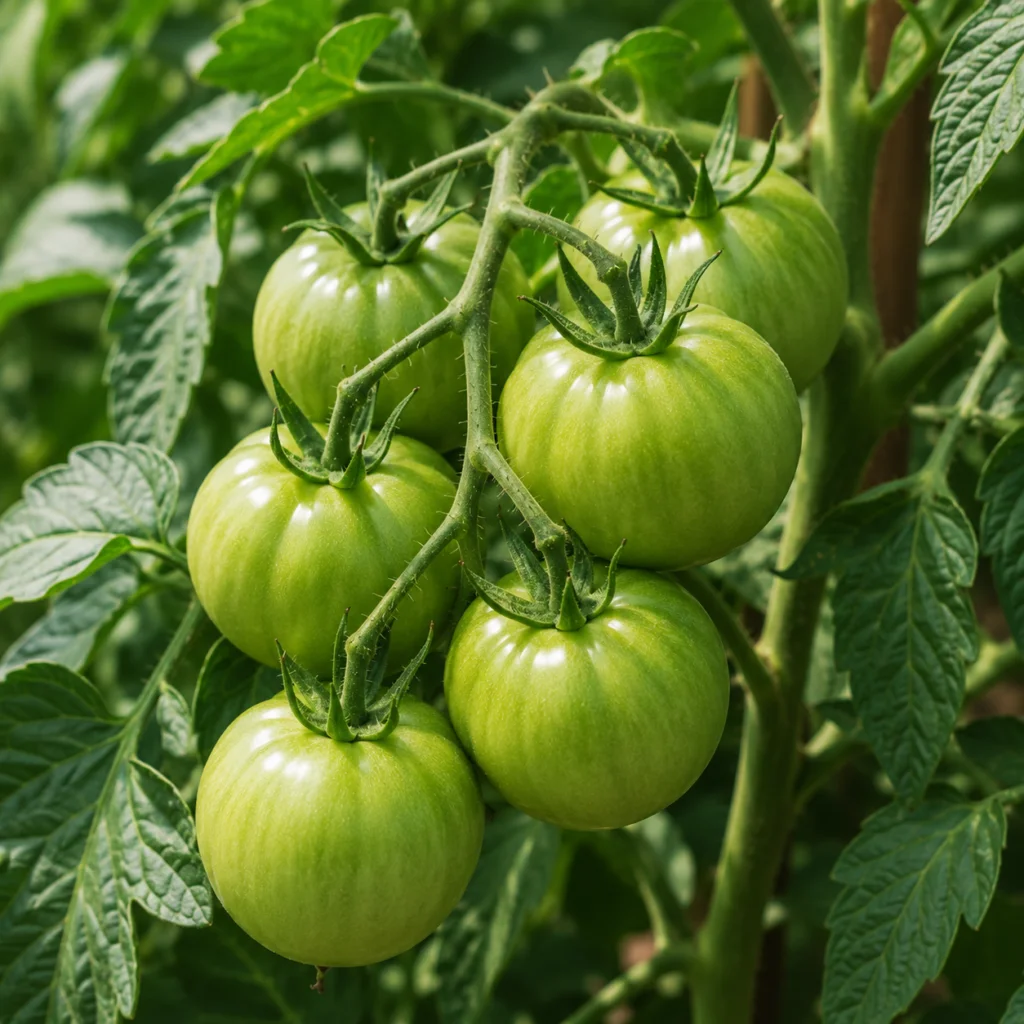
- For Tomatoes: Highly responsive, tomatoes benefit from the trace elements in yeast, leading to enhanced growth, improved disease resistance, and larger, tastier fruits.
- For Roses: Roses thrive on yeast, which promotes abundant flowering and strengthens their natural defenses against pests and diseases.
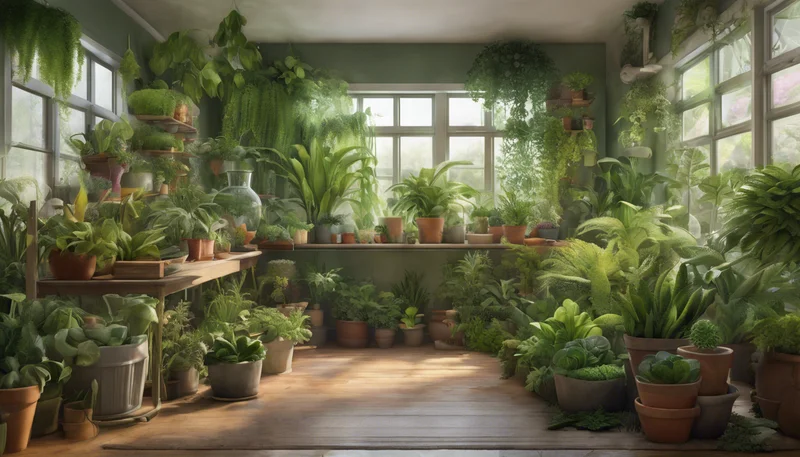
- For Indoor Plants: A yeast-based liquid fertilizer, applied every three weeks, helps indoor plants grow faster, with greener and healthier foliage.
Additional Tips to Maximize Yeast Benefits
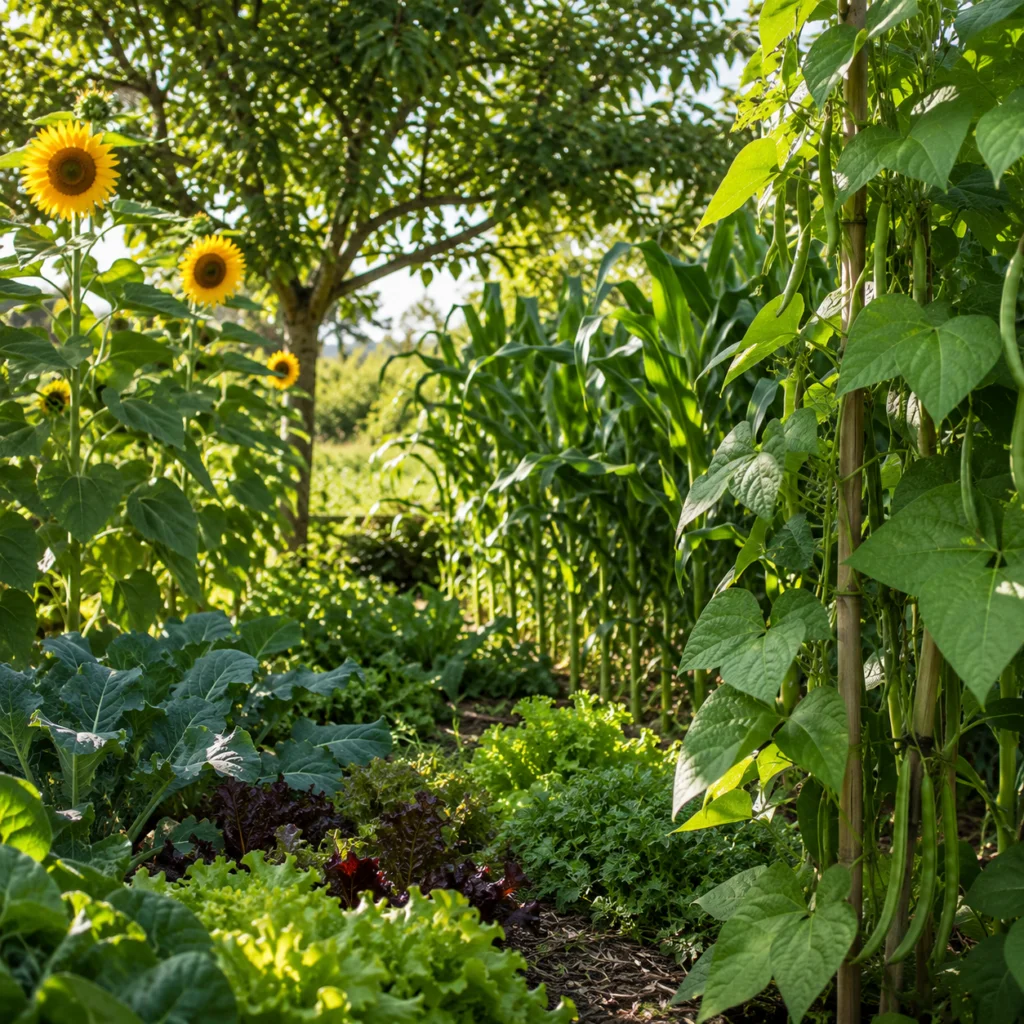
To enhance the effects of yeast, consider combining it with other eco-friendly gardening methods. For example, adding well-matured compost or organic manure can provide an extra nutrient boost. Ensure your plants receive adequate light and water to create an optimal growth environment.
Important Considerations
Remember that yeast is a supplement, not a substitute for quality soil or proper watering. Be cautious with the dosage; too much does not yield stronger plants. It’s better to adhere to the recommended schedule of every 2 to 3 weeks.
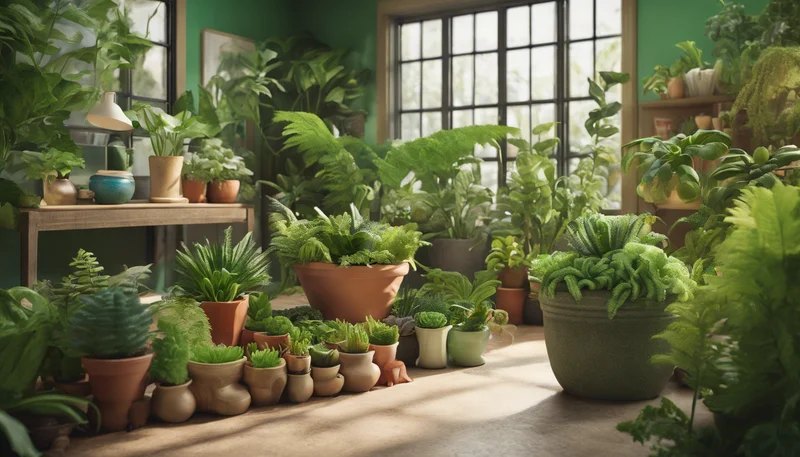
Conclusion: A Thriving Garden Thanks to Yeast
By incorporating this simple and natural method into your gardening routine, you will quickly notice a difference. Yeast, with its numerous nutrients and beneficial properties, is a true asset for anyone looking to cultivate more vigorous and blossoming plants. Give this technique a try and watch your plants flourish like never before!
Key Takeaways
- Dilute approximately 3 tablespoons of yeast (brewer’s or baker’s) in 1 liter of warm water.
- Let it rest for a few hours to activate the microorganisms before watering.
- Repeat every 2 to 3 weeks without overdoing it.
- Tomatoes, roses, and indoor plants are the most responsive.
- Combine it with compost, ensure adequate light, and maintain regular watering.
Frequently Asked Questions
What are the benefits of baker's yeast for plants? Rich in B vitamins, proteins, and minerals, baker’s yeast provides nutrients that promote growth and flowering. It also helps strengthen the natural defenses of certain plants, such as roses, against pests and diseases.
How do you use baker's yeast for plants? Dissolve about three tablespoons of yeast in one liter of warm water, let it rest for a few hours, and then use the mixture to water your plants. Repeat every two to three weeks.
Can expired yeast be used? Yes, both brewer’s yeast and baker’s yeast, even if expired, can be used to prepare this homemade fertilizer. It’s a great way to make use of leftover yeast.
How often should you water with yeast fertilizer? Apply it every two to three weeks. For indoor plants, watering with yeast-based liquid fertilizer every three weeks works well. There’s no need to overdo it.