May Gardening Tips: Embrace Permaculture Practices
Explore essential gardening tips for May, focusing on permaculture practices. Discover what to plant, how to care for your garden, and pest management strategies.
With May's arrival, gardeners can finally start planting their crops as the threat of frost diminishes. This month marks a significant transition in the garden, where much of the hard work for the year is completed once planting is done. However, it's crucial to maintain proper care by mulching the planted areas and ensuring regular watering according to weather conditions.
May Planting Guide: Lettuce, beets, beans, cabbage, herbs, squash, zucchini, cucumbers, radishes, watermelon, carrots, New Zealand spinach, ground cherries, kohlrabi, turnips, eggplant, artichokes, Swiss chard, celery, fennel, corn, melons, leeks, sweet potatoes, parsnips, potatoes, tomatoes, peppers, among others! For summer crops, it's advisable to wait until after the frost dates or monitor the weather; if a warm spell is predicted early in May, feel free to plant!
Plant What You Love in May
As the warm season kicks in post-frost, it’s an ideal time to indulge in planting unique species, including exotic plants like Madagascar lemongrass, kiwano, and sweet potatoes!
Discover a New Treat
You don’t need to reside in southern France to enjoy sweet watermelons! The Early Moon Beam variety, which features yellow flesh, thrives particularly well in cooler climates, offering a deliciously sweet taste. This variety is derived from the non-hybrid Yellow Doll.
Tomatoes and Basil
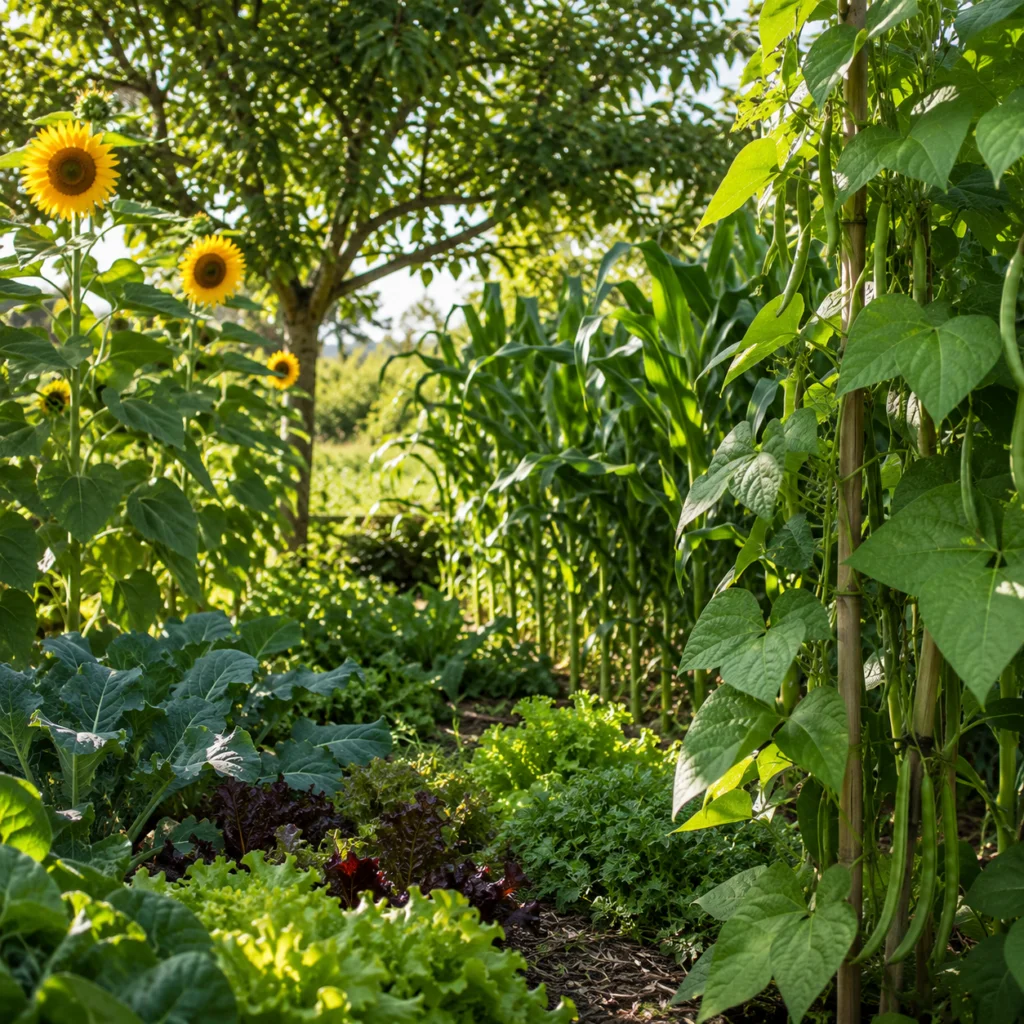
The classic pairing of tomatoes and basil is well-known. Basil captures sunlight that tomatoes might miss, enhancing photosynthesis and overall yield in the garden. It’s best to plant basil towards the edge of the tomato row to avoid it being overshadowed by the growing tomato plants, making harvesting easier.
Planting Lettuce
Utilizing mini clumps for planting lettuce can lead to quick and easy salad harvests while minimizing the risk of snail damage. Ensure the clumps are moist and planted at soil level to promote proper head formation.
Regular sowing every 20 days helps stagger your harvests. For summer, consider other greens like perennial Caucasian spinach or New Zealand spinach, or even forage for edible weeds like purslane.
Early and Delicious
May brings the joy of early berries, often referred to as ‘kamérise’. Cultivating this shrub yields fruit as early as May or June, which can be enjoyed fresh or preserved. These hardy plants can withstand temperatures as low as -30 degrees Celsius.
Variety Suggestions? Look for Canadian varieties, which tend to outperform Russian ones. Notable selections include ‘Boreal Blizzard’ and ‘Boreal Beauty’, known for larger and more abundant fruits. To ensure pollination, it’s recommended to have at least three plants of different varieties.
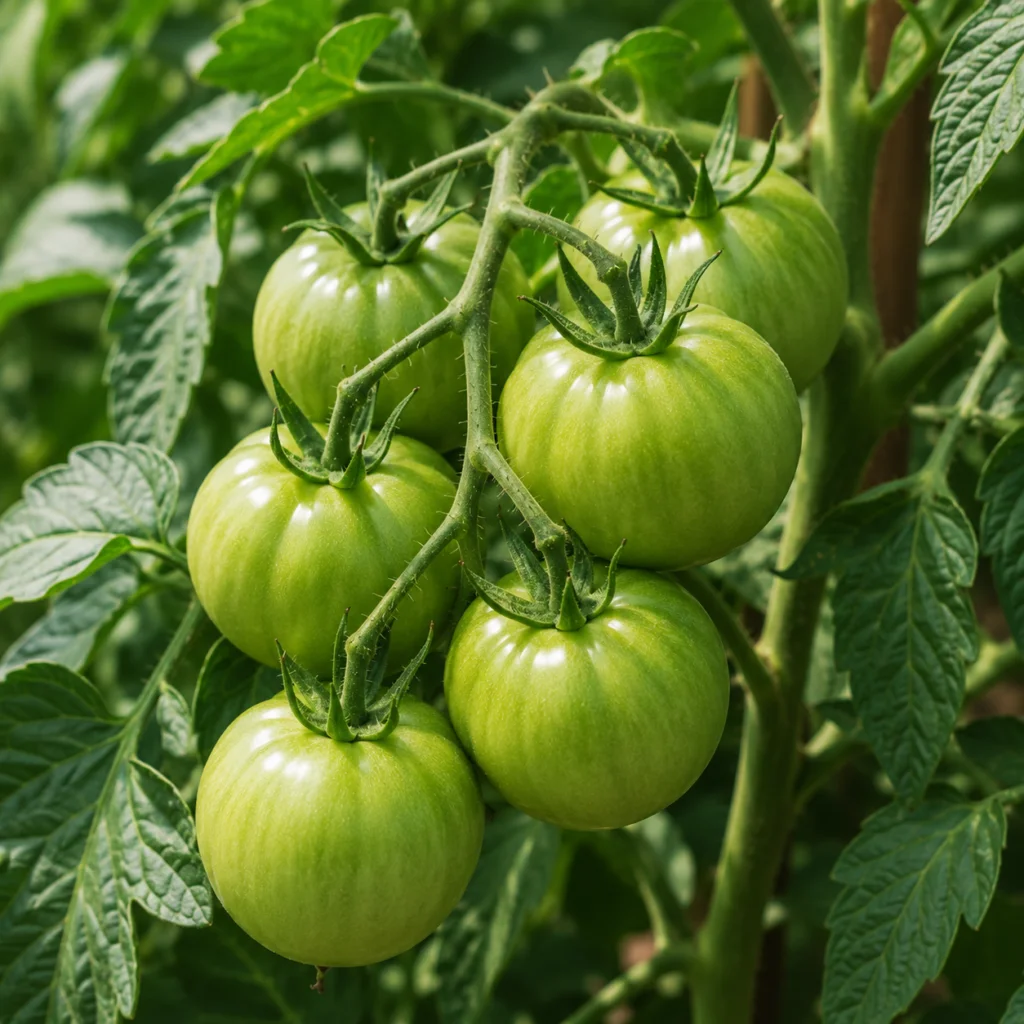
Have You Tried Planting Tomatoes at an Angle?
Planting tomatoes deeply or at an angle allows the stem to develop additional roots. However, experts advise against burying the collar of the plant, as it can increase susceptibility to diseases like blight. Last season’s results showed that not burying the plants deeply led to better yields.
Other May Gardening Activities
• Add comfrey, nettles, or grass clippings around your nutrient-hungry plants. • Prune emerging shoots at the base of fruit trees like plums. • Harvest herbs such as St. John's Wort, sage, ground ivy, chamomile, and yarrow by June. • Stay calm if your peach tree shows signs of leaf curl; it’s usually not detrimental unless over 15-20% of leaves are affected. Increasing biodiversity in your orchard can help manage such issues. • Allow remaining vegetables to go to seed for future planting and to support local insects. • Set up a container to collect non-salty cooking water for plant irrigation!
Reduce Mowing in Your Orchard
An uncut meadow in an orchard can consume half the available water and nitrogen during the growing season. Mowing only encourages regrowth, which further depletes resources. Once the plants complete their reproductive cycle, they consume significantly less water. Consider mowing only paths and leaving the meadow undisturbed until autumn for seed production.
By doing so, you’ll attract beneficial insects that help regulate your ecosystem, leading to fewer diseases in fruit trees. Additionally, less frequent mowing translates to reduced fuel consumption and a quieter environment.
For the area beneath older trees, consider planting drought-tolerant ground covers such as savory, which spreads quickly and requires minimal water. Other options include comfrey, tansy, and yarrow.
Prepare for Winter
It's time to start planning for your fall and winter harvests! Many crops, such as carrots and beets, should be sown or prepared for sowing in May or June. Doing so ensures that the soil remains covered during summer, helping young plants endure the harsh sun and surface drying. Don’t forget to sow your autumn/winter cabbages by mid-June!
Pest Control for Potatoes
Check for the presence of Colorado potato beetle larvae on your potatoes; now is the time to prevent an infestation! Taking proactive measures against these pests is essential as soon as the first adults appear.