Liatris: A Vertical Addition to Your Garden
Explore the beauty and cultivation of Liatris, a striking plant from the Asteraceae family that adds verticality and attracts pollinators to your garden.
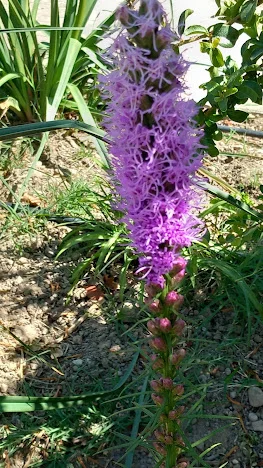
Today, we focus on a remarkable plant from the Asteraceae family, known for its striking vertical blooms — Liatris. This genus, which originates from North America, encompasses various species that can enhance any garden.
The specific variety we are discussing is Liatris spicata. Characterized by its narrow, strap-like leaves that cluster at the base of the stems, this plant can endure cold seasons thanks to its underground corm, similar to that of gladiolus. Each year, Liatris tends to expand its groupings, creating a more substantial presence in the garden. The flowering spikes are adorned with vibrant, intense pink or purple flower heads, and there are also white varieties available. Depending on the species, these spikes can range from half a meter to over a meter in height. Liatris blooms during the summer in a staggered manner, ensuring that the spikes remain in flower for an extended period compared to other species.
In terms of growing conditions, Liatris thrives in sunny locations, although it can tolerate partial shade, especially in extremely hot climates. This plant is quite resilient when it comes to soil conditions; it requires minimal watering and can withstand brief periods of drought. However, like many plants, it does not fare well in overly saturated soils and prefers slightly acidic, nutrient-rich substrates.
Liatris is not particularly susceptible to pests or diseases, making it an excellent choice for gardeners seeking low-maintenance plants. To care for Liatris, simply remove the spent flower stems once they have completely faded. This practice prevents the plant from diverting energy into seed production, allowing it to focus on strengthening the corm. If seed collection is desired, the flower spikes can be left until the seeds are mature. Another propagation method involves dividing the clumps of the plant to create new colonies.
In addition to its aesthetic appeal, Liatris adds verticality to garden compositions and attracts various pollinators. It works well in containers and can be effectively integrated into garden borders or mixed plantings, forming vibrant patches of color. While it may not be commonly seen in florists, Liatris is often utilized as a cut flower.
Do you cultivate Liatris in your garden? Share your experiences in the comments below!
See you next week!