Lessons from the Garden: Finding Purpose in Nature
Explore the transformative lessons learned from gardening, emphasizing the importance of purpose, patience, and observation in cultivating both gardens and life.
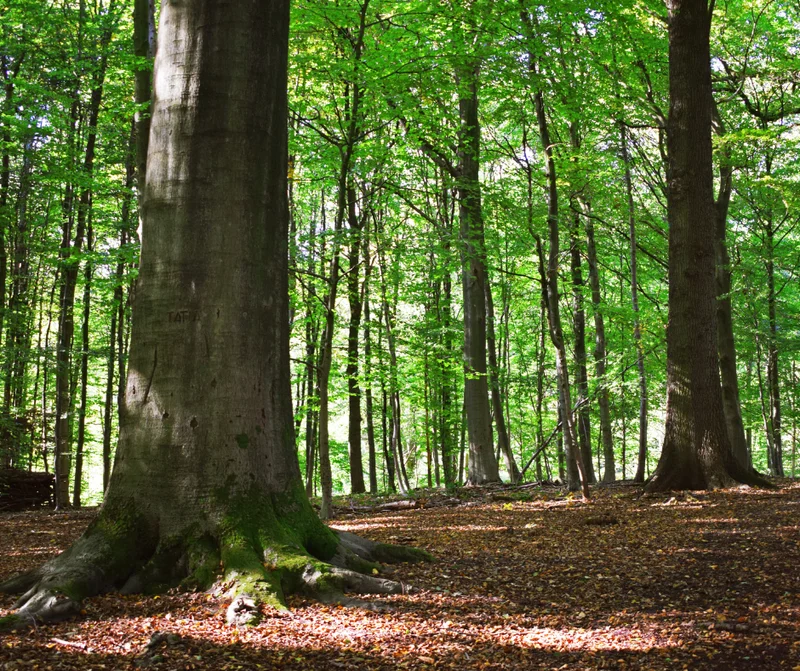
Many of us struggle to find the work we dreamed of as children. At twenty, few truly know the direction of their lives. I certainly didn’t.
For a long time, I lacked a clear passion or goal that would motivate me each morning. I had the energy and curiosity, along with a decent ability to learn and a fair amount of resilience, which would later serve me well. I was a good student, one from whom others expected something, though no one quite knew what.
The issue is that when you’re uncertain about your desires, you often don’t make a true choice. Instead, you navigate by elimination, following paths that seem logical, safe, and understandable to those around you.
I chose to study accounting, not because I dreamed of invoices and deadlines, but because it seemed like a sensible choice—one that adults would approve of without much defense needed.
However, after a brief stint in a work-study program, I quickly realized that an office job was not for me. It wasn’t that there was anything wrong with it; for many, it’s the right path. But for me, the thought of being confined to a routine that would gradually extinguish my spirit was unbearable, even before I could articulate it.
Understanding what you don’t want doesn’t equate to knowing what you do want. After graduating, I found no bright path ahead—no cinematic epiphany, no moment of clarity.
Instead, I ended up in the woods.
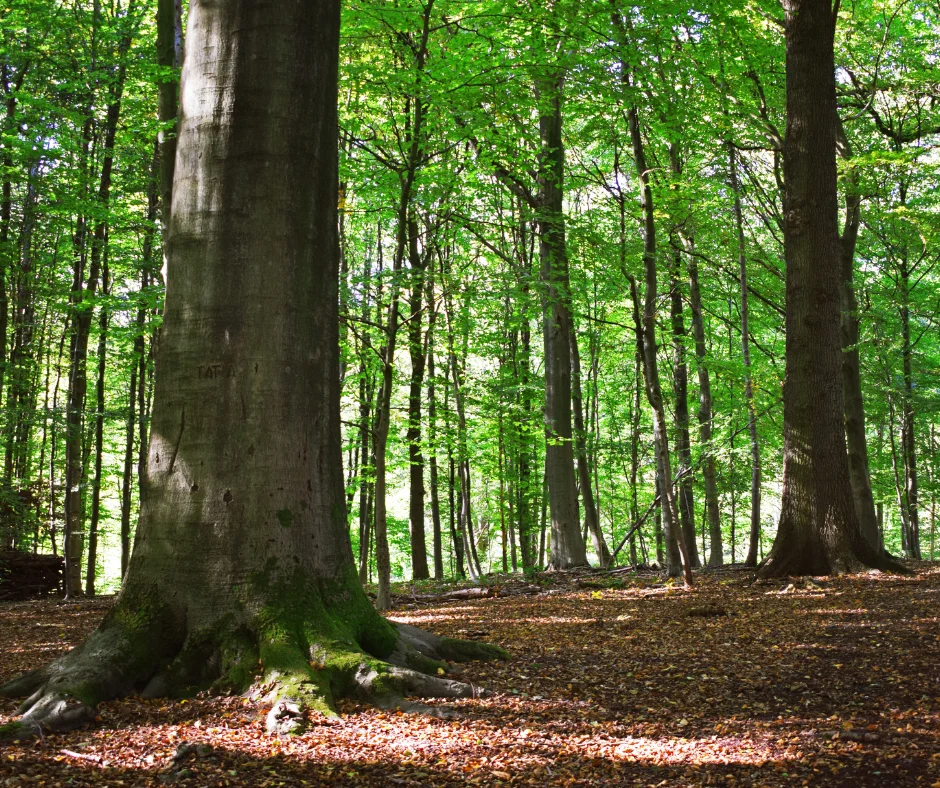
I spent about a decade working as a lumberjack, and I want to emphasize that I don’t regret that experience. It taught me more than many other things. It introduced me to real labor—one that cannot be described in elegant phrases, as it has a weight, a smell, and a sound. I learned about physical limits and the value of tangible things. It stripped away many illusions and instilled in me a rough-rooted perspective that I carry today when discussing nature, gardens, and sustainability.
Nature, viewed from the forest, is not just poetry; it embodies beauty, but also carries weight, risk, cuts, regrowth, patience, dirty hands, and practical decisions. This is why I struggle to view greenery merely as decoration.
However, the real issue was not the hard work itself, but rather not knowing the purpose behind all that effort. Over time, I came to recognize a crucial distinction: there’s a labor that builds you up and a labor that drains you. From the outside, they may look alike. In both cases, you wake up, work, fulfill your duties, and return home exhausted. But internally, everything changes.
When you have a direction, even hard work can become a journey. Without it, it can devolve into mere endurance.
For many years, I was adept at enduring.
And here’s something I only realized later: being good at enduring isn’t always an advantage. Yes, it can save you; it helps you navigate tough times, prevents you from quitting at the first challenge, and compels you to do what needs to be done, even when you don’t want to. But if you become too skilled at enduring, you risk remaining in a situation that no longer reflects who you are.
You acclimatize. You convince yourself that it’s acceptable. You tell yourself that it’s just how it is. From the outside, you might appear solid, practical, and reliable, but inside, you feel like you’re not truly building anything of your own. You’re just moving forward.
The First Signal Came from the Garden
At one point, while I was working in the woods, I began cultivating a small family garden—a simple, concrete activity without grand theories behind it.
Yet, I felt something different there.
Sowing a seed in the soil and witnessing food grow was a different experience. It wasn’t just work; it wasn’t merely toil. It was about creating something, nurturing a living process.
In the woods, I often cut, moved, and loaded. In the garden, I observed, waited, and tended. The time spent was different, the labor felt different, and the results were different.
It wasn’t as if I suddenly thought, “Aha, I’ve found my path.” I wish it were that simple.
But something was stirring.
A faint signal.
And we often underestimate these faint signals in life. We treat them as hobbies, secondary interests, or small pursuits to be postponed until we have time. But that time rarely comes if you wait for it to arrive.
Then one day, I saw a gardening company doing pruning and removals near my home. I went to investigate, asked questions, and moved closer.
That’s when I saw a possibility.
Not yet a vocation, nor a fully formed direction, but more like a slightly open door.
The idea that there could be a job outdoors—one that was concrete, manual, yet also technical, creative, and varied. A job that involved using my hands, but also my mind.
And perhaps even my heart, though I wouldn’t have articulated it that way at the time.
Gardening Changed My Perspective
From there, I began to study—reading books, attending courses, practicing, and experimenting, often through mistakes.
Especially mistakes.
Because when you truly learn something, you make errors. And certain mistakes stick with you more than many lessons.
I recall a poorly executed pruning job. It’s one of those moments that still bothers me when I think back on it. In that instance, you have two choices: justify yourself or learn.
I asked myself, “How can I do better?”
That question led me to tree climbing—ropes, harnesses, trees, technique, risk, and responsibility.
Tree climbing transformed my perspective significantly because climbing a tree forces you to see it differently. You no longer view it solely from below, as a green mass to be contained or managed. You enter into it. You feel its structure, tensions, wounds, and balances.
You realize that what you’re facing isn’t just an ornamental object.
You’re dealing with a complex living being.
This realization seems natural to me now, but it wasn’t then. I believe one of the challenges of modern gardening is that we have learned to perceive plants as mere decorative elements.
We place them where they look good. We prune them when they become bothersome. We replace them when they no longer fit the aesthetic. We force them into an image we have in our minds.
But a plant is not a piece of furniture. A tree is not a green pole. A garden is not a backdrop.
It’s a living system.
And when you start to see it this way, everything changes.
A Garden Left to Its Own Devices Grows Anyway
One lesson the garden has taught me, which extends beyond its boundaries, is that if you leave a piece of land to itself, something will grow regardless.
Nature doesn’t wait for our permission. Wild herbs, brambles, shrubs, and plants carried by the wind spring up. Life, in some form, always attempts to occupy space.
However, it doesn’t mean that what grows is what you desire.
It doesn’t guarantee that a useful balance will emerge. It doesn’t ensure that the space becomes habitable, beautiful, or healthy for the people who inhabit it.
In this way, I believe life operates similarly.
If you let it go unattended, something will still grow. Years pass, habits form, jobs are taken, people are met, paths are chosen, and you adapt, putting down roots somewhere.
But it doesn’t mean that what grows truly reflects you. It doesn’t mean that the direction is yours. It doesn’t imply that you’re building something meaningful. You might just be moving forward.
This awareness came to me late. Perhaps that’s why I can’t see a garden merely as a space to be organized today.
When I enter a garden, I always see something more. I see choices, mistakes, haste, missed opportunities, plants placed where they cannot thrive, wasted water, soil treated as inert support. I see the desires of the owner, current trends, pre-packaged solutions, fears, and habits.
And I also see possibilities.
Because a garden can always change. Not always quickly, not always as we would like, and not without costs. But it can change.
If you observe it.
If you remove what chokes it.
If you prepare the soil.
If you choose suitable plants.
If you accept time.
If you stop expecting everything immediately.
Cultivating Direction
Perhaps Giardino Futuro was born from this desire: to discuss gardens differently.
Not as spaces to showcase, not as green postcards, not as places to maintain through continuous watering, fertilizing, chemicals, and upkeep.
But as living spaces.
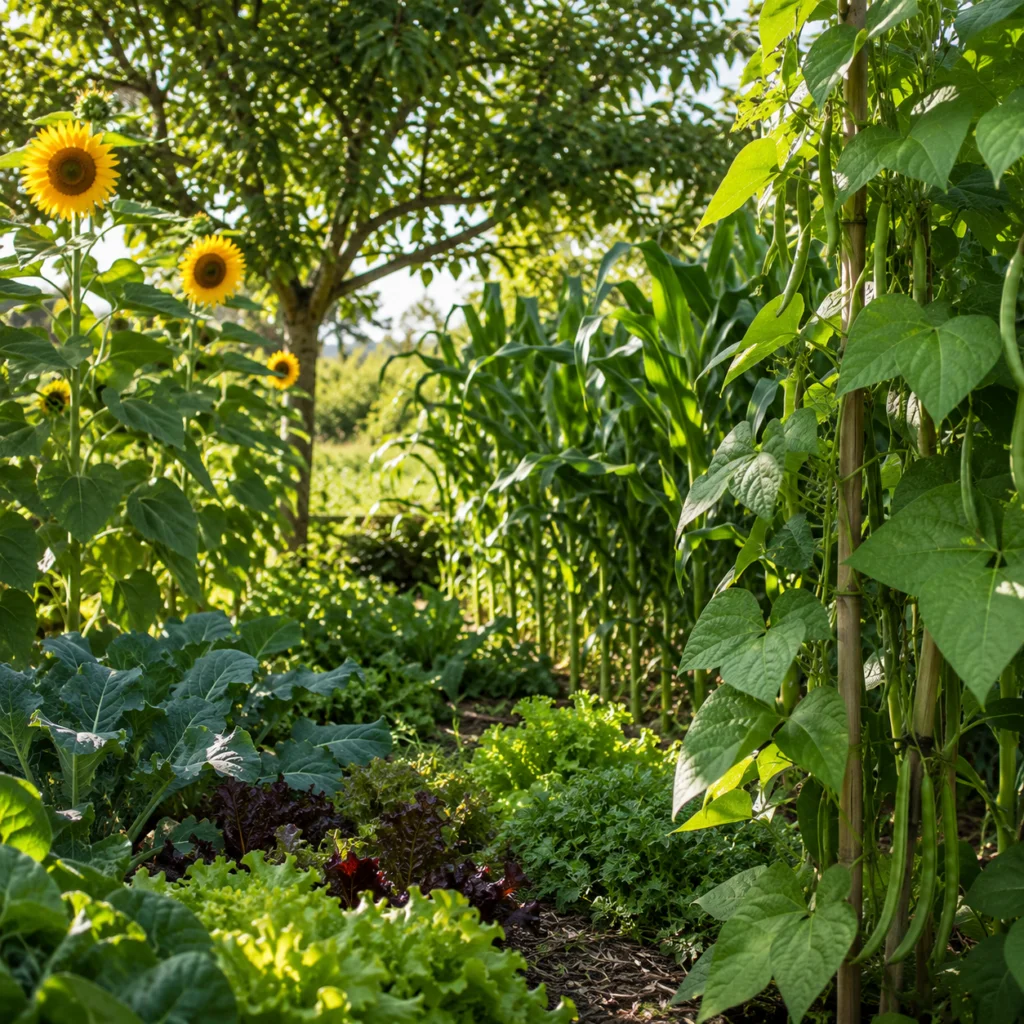
Areas where beauty, utility, biodiversity, shade, soil, water, food, and well-being can engage in dialogue once more.
A sustainable garden isn’t one left to its own devices. This is one of the greatest confusions. Sustainable doesn’t mean abandoned. Natural doesn’t mean random. Low maintenance doesn’t mean no care.
A sustainable garden requires observation, choices, knowledge, patience, and direction.
You can’t control everything because nature cannot be controlled. But you can guide it.
And I find the word "guide" very appealing.
To guide doesn’t mean to command, force, or impose a rigid form. It means to understand where you are, what conditions you have, what can grow well there, what needs to be removed, what should be protected, and what deserves time.
Perhaps this is why the garden has become much more than a job for me. It has transformed into a way of viewing things.
Even my story, when I reflect on it today, resembles a garden more than a straight path. There were disordered parts, hard sections, areas left to chance, and portions that seemed useless yet were roots.
The woods, the garden, the trees, the mistakes, the plants, the toil, the sharing of knowledge.
Nothing was linear while I lived it. But over time, some pieces began to connect.
Direction Isn’t Just About Arrival
There’s another lesson the garden imparted to me, perhaps one of the most challenging to accept: direction matters not only for the destination but also for the journey.
We often think of value as lying solely in the arrival.
When I have that job.
When I have that finished garden.
When I have that organized house.
When I achieve that goal.
When I finally arrive.
But life, like a garden, doesn’t work that way.
A garden is never truly finished. You can design it, plant it, care for it, and nurture it, but then it grows, changes, reacts to the seasons, to the climate, to mistakes, to care, and to the unexpected.
Even when you have a clear direction, you still have to traverse time.
And perhaps therein lies the value: not just in the final result, but in what you learn along the way.
You learn to observe. You learn to wait. You learn to correct without discarding everything. You learn that some things cannot be rushed. You learn that haste often ruins what patience could have allowed to mature.
This is evident in the garden.
If you want everything immediately, you risk planting too densely, choosing already stressed plants, overwatering, over-fertilizing, incorrectly pruning, and chasing instant gratification. You might achieve a beautiful initial image, but often, you create a future problem.
Life isn’t much different.
If you’re in a hurry to arrive, you risk missing what the journey needs to teach you. You risk treating each intermediate phase as a nuisance, every slowdown as a failure, and every detour as lost time.
But it’s not always that way.
Sometimes, a detour prepares you. Sometimes, a mistake educates you. Sometimes, a challenging phase equips you with tools you’ll use years later. Sometimes, a seemingly useless stretch becomes a root.
Today, I see the garden as a reflection of life itself—an ongoing process of growth, learning, and adaptation.