Introducing Children to Ecological Gardening: A Practical and Fun Guide
Discover how to garden as a family in an ecological way. Simple tips, fun tricks, and educational activities to raise children's awareness of nature and the environment.
4.8/5 - (6 votes)
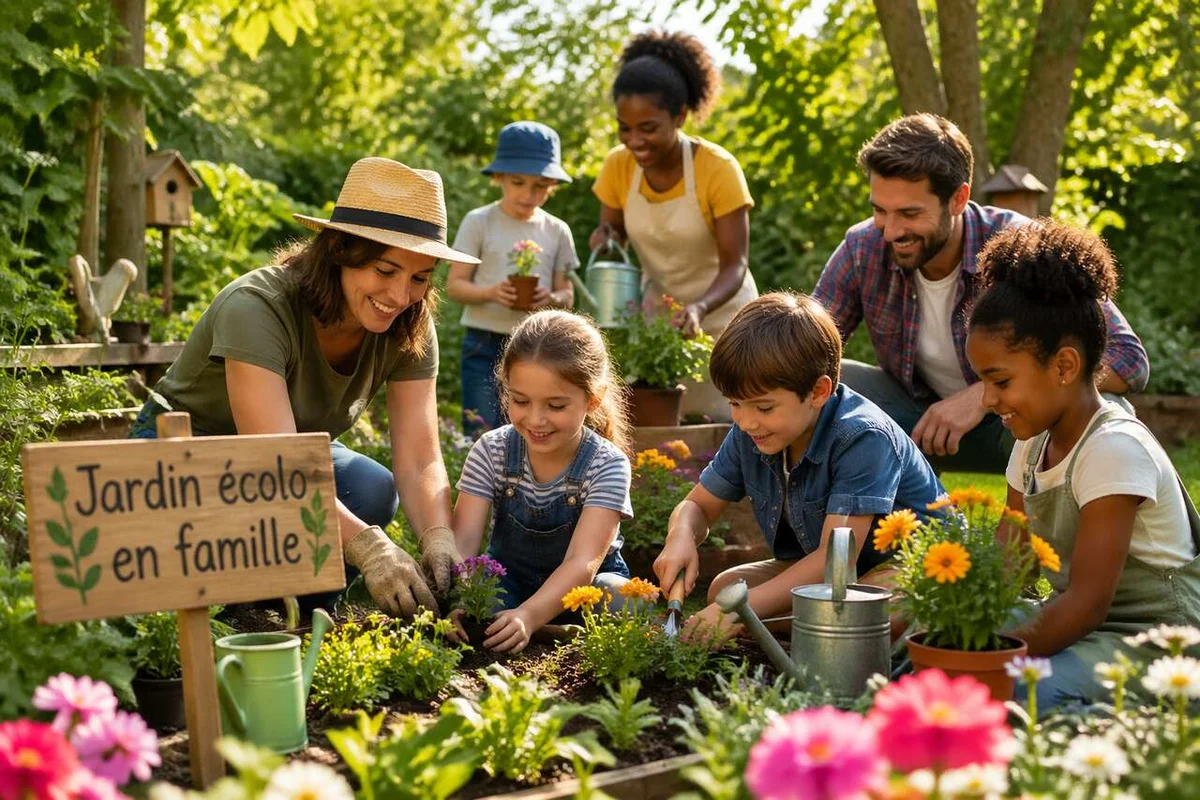
Gardening as a family transcends mere pastime; it serves as a hands-on educational experience. In just a few square meters, children learn vital lessons about nature's rhythms, the finite nature of water, and the importance of healthy soil over brute force. From sowing seeds to watering plants and observing insects, gardening becomes a comprehensive learning ground that is practical, sensory, and ecological.
Introduction to Gardening for Children: Why Get Started?
An Accessible Activity That Reconnects with Reality
Gardening immerses children directly in the living world around them. They see, touch, compare, and quickly grasp that nature does not operate on command. While screens offer instant gratification, a garden teaches a straightforward logic: sow, wait, care, and harvest.
- Discover the origins of food and the concept of seasonality.
- Understand that soil is a living medium, not just a support.
- Observe the roles of insects, worms, and microorganisms.
A Concrete Lever for Ecological Awareness
Through gardening, children grasp often abstract concepts such as biodiversity, cycles, and resources. They learn about water management, composting, and how plant diversity protects the garden. This engaging pedagogy fosters lasting habits without moralizing.
A Family Moment That Structures Time
Gardening establishes regular routines: checking moisture, removing weeds, and anticipating the first sprouts. These rituals enhance attention and cooperation while giving children a meaningful role, validated by visible results.
Once the reasons for gardening are established, it’s essential to recognize how this activity positively influences child development beyond the simple joy of playing in the dirt.
The Benefits of Gardening for Child Development
Fine Motor Skills, Coordination, and Independence
Tasks like pouring seeds, holding a watering can, and gently packing soil engage children’s precision. Gardening naturally promotes fine motor skill development while enhancing autonomy. Children learn to measure, correct, and retry, with an acceptable margin for error.
Sensory Development and Connection to Life
The damp earth, rough leaves, the scent of compost, and the coolness of morning air turn the garden into a sensory laboratory. This variety of sensations enriches vocabulary, memory, and the ability to distinguish between textures and smells.
| Stimulus | Example in the Garden | Skill Engaged | |----------|---------------------|----------------| | Tactile | Potting soil, sand, mulch | Fine motor skills, texture tolerance | | Visual | Flower colors, growth stages | Observation, comparison | | Olfactory| Mint, basil, mature compost | Identification, memory | | Auditory | Buzzing, rain, wind | Attention, awareness |
Strengthening Social and Emotional Skills
Collaborative planting encourages sharing tools, waiting for turns, and supporting one another. Gardening also aids emotional regulation: plants may fail, slugs may munch away, teaching children that failure is information, not punishment.
These benefits are amplified when the chosen plants align with the children's age and attention span, preventing frustration and unrealistic expectations.
How to Choose Plants Suitable for Young Gardeners
Favor Fast-Growing and Rewarding Plants
To sustain interest, initial crops should yield visible results. Radishes, cut-and-come-again lettuce, nasturtiums, and certain herbs grow quickly, helping children understand the connection between care and outcome, with tangible returns.
- Radishes: quick germination, short harvest time.
- Nasturtiums: abundant blooming, attract pollinators.
- Mint, chives, basil: culinary uses with strong scents.
- Sunflowers: impressive growth, visual markers.
Avoid Toxic or Irritating Species
Safety begins with plant selection. Some ornamental plants can be toxic if ingested or irritating upon contact. It is wise to stick to edible or well-known non-toxic species, explaining a simple rule to children: never taste anything without permission.
Adapt Choices to Local Climate and Exposure
Selecting plants suited to the local climate requires less watering, less intervention, and better resilience to temperature fluctuations. For children, this translates to fewer misunderstood failures. Light exposure (full sun, partial shade) should guide choices, especially for balconies or small gardens.
| Context | Easy Plants | Educational Interest | |------------------|---------------------------------|--------------------------------| | Sunny Balcony | Cherry tomatoes, basil, strawberries | Frequent harvests, flower observation | | Partial Shade | Lettuce, mint, parsley | Edible leaves, simple maintenance | | Small Garden | Zucchini, beans, sunflowers | Visible germination, rapid growth |
Once the plants are selected, the next step is to create a space where children can freely engage without excessive restrictions or unnecessary risks.
Creating a Safe and Fun Gardening Space
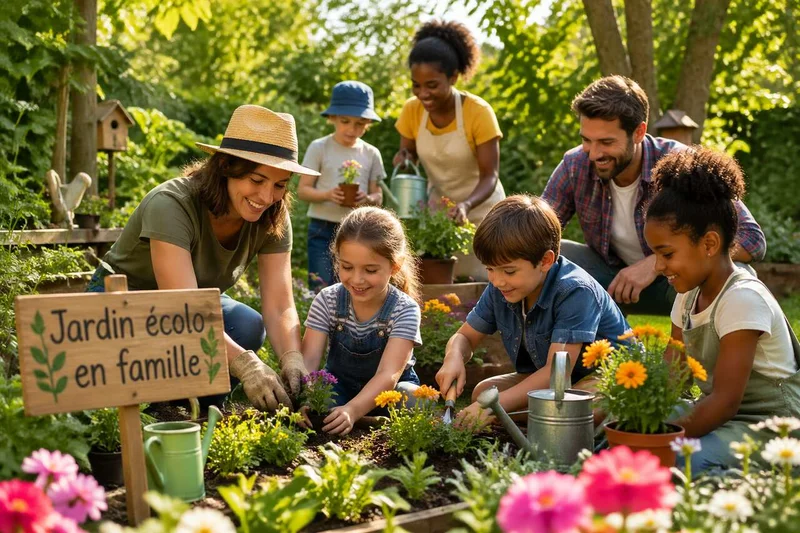
Designate a Child-Friendly Area
Having a defined space helps children orient themselves and feel responsible. A small raised bed, containers, or a few pots are sufficient. Ideally, the area should be accessible, stable, and close to a water source. Elevated garden beds can also minimize uncomfortable postures and make activities more enjoyable.
Mitigating Risks Without Sterilizing the Experience
Safety does not mean imposing a strict no-touch policy. It involves anticipating needs: keeping sharp tools out of reach, checking for thorns in the children’s area, and explaining actions. Gardening is inherently a messy activity, which is part of its appeal, as contact with the earth fosters sensory exploration.
- Store adult tools in a locked area.
- Provide a handwashing station nearby.
- Avoid harsh chemicals and fertilizers.
- Minimize slippery areas around watering spots.
Incorporating Fun: Signage, Markers, and Small Tasks
A child’s gardening area benefits from clarity: plant labels, simple paths, and height markers. Garden boards or weather-resistant labels allow children to track their plantings and take ownership of the space.
When the space is ready, children can actively participate in sowing and planting, a crucial phase where they learn precision and care.