Insect Hotels: Choosing and Installing the Perfect Refuge
A well-designed insect hotel can attract up to 30% more beneficial insects to your garden. Position it south-facing, at least 1 meter off the ground, for optimal visits. Choose solid wood models with cavities ranging from 2 to 10 mm.
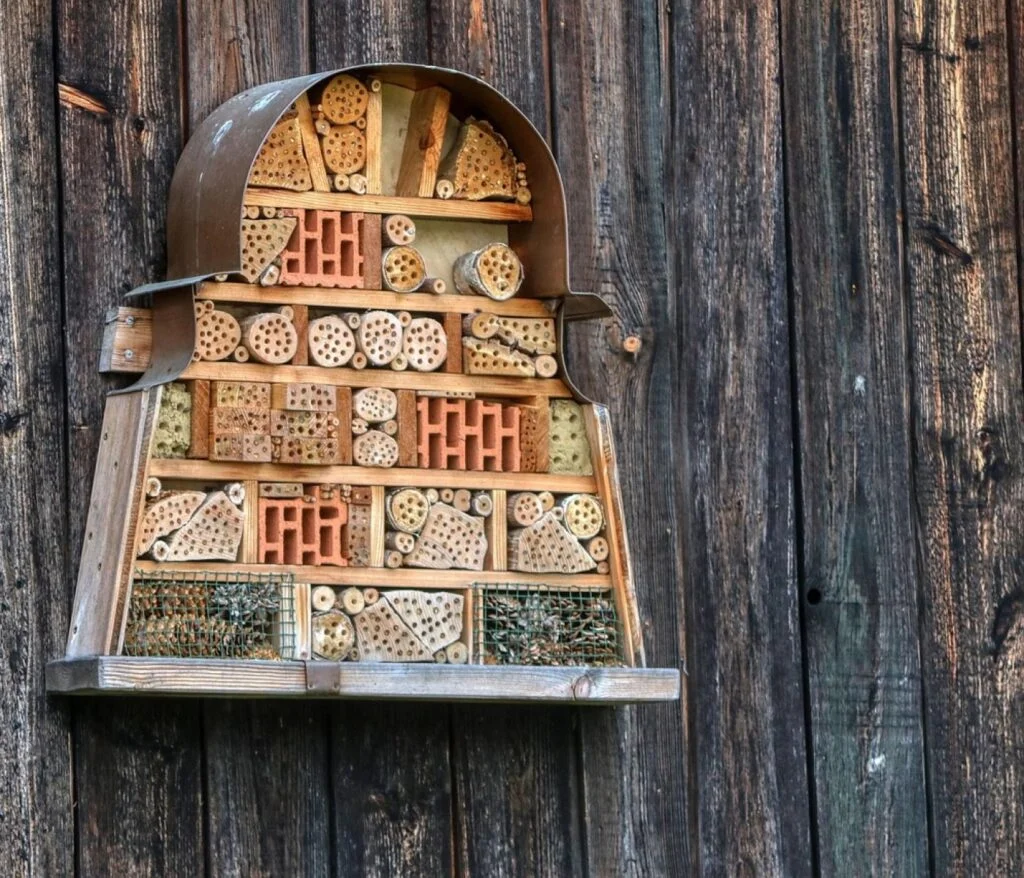
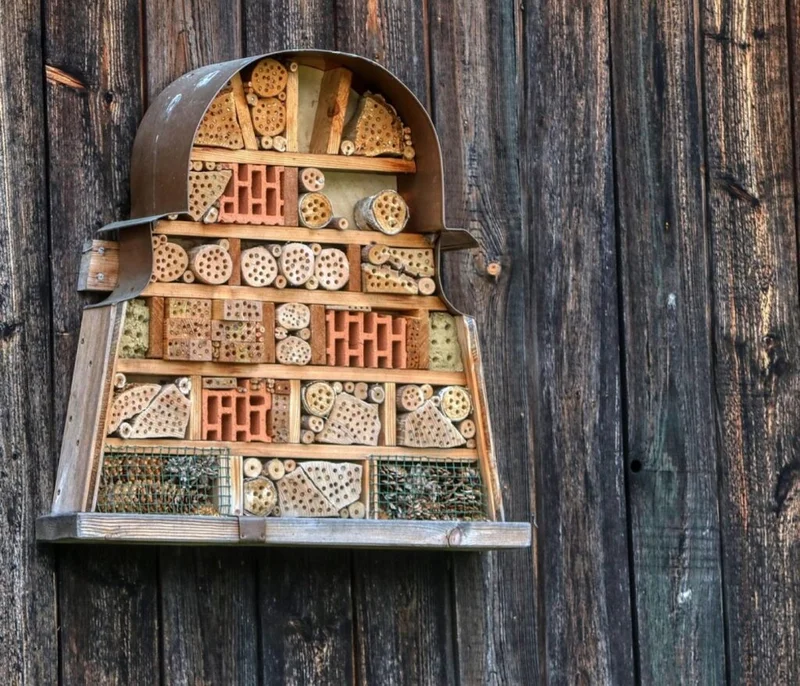
Creating a thriving garden involves more than just planting flowers and vegetables; it requires fostering a healthy ecosystem. One effective way to do this is by installing an insect hotel, a structure that provides shelter for beneficial insects. A well-designed insect hotel can increase the presence of auxiliary insects in your garden by up to 30%, according to a study from INRAE.
A Refuge for Beneficial Insects: More Than Just a Garden Accessory
Insect hotels are becoming essential for gardeners looking to maintain ecological balance. These structures serve as shelters for pollinators and natural predators of pests, making them both functional and decorative. However, with so many options available, selecting the right model can be challenging.
Why Install an Insect Hotel? Benefits for Gardeners
The growing interest in insect hotels stems from the decline of pollinator populations. These hotels provide a habitat for vital species such as solitary bees, ladybugs, and lacewings. For amateur gardeners, this translates to enhanced pollination and natural pest control. Retailers like Truffaut and Gamm vert in France highlight these benefits, promoting a gardening approach that works in harmony with nature.
Materials and Design: Key Selection Criteria
Not all insect hotels are created equal. Models made from untreated wood, such as pine or chestnut, tend to be more durable than those constructed from low-quality plywood. When choosing an insect hotel, consider the depth of the cavities, the variety of modules (such as hollow stems, clay bricks, pine cones, and stacked boards), and the presence of a sloped roof. Options available on platforms like Amazon or Naturapi range from sturdy cabins to decorative gadgets. A structure with multiple openings and hole diameters ranging from 2 to 10 mm is ideal for attracting a diverse array of species.

Usage and Placement: How and Where to Install for Maximum Visits
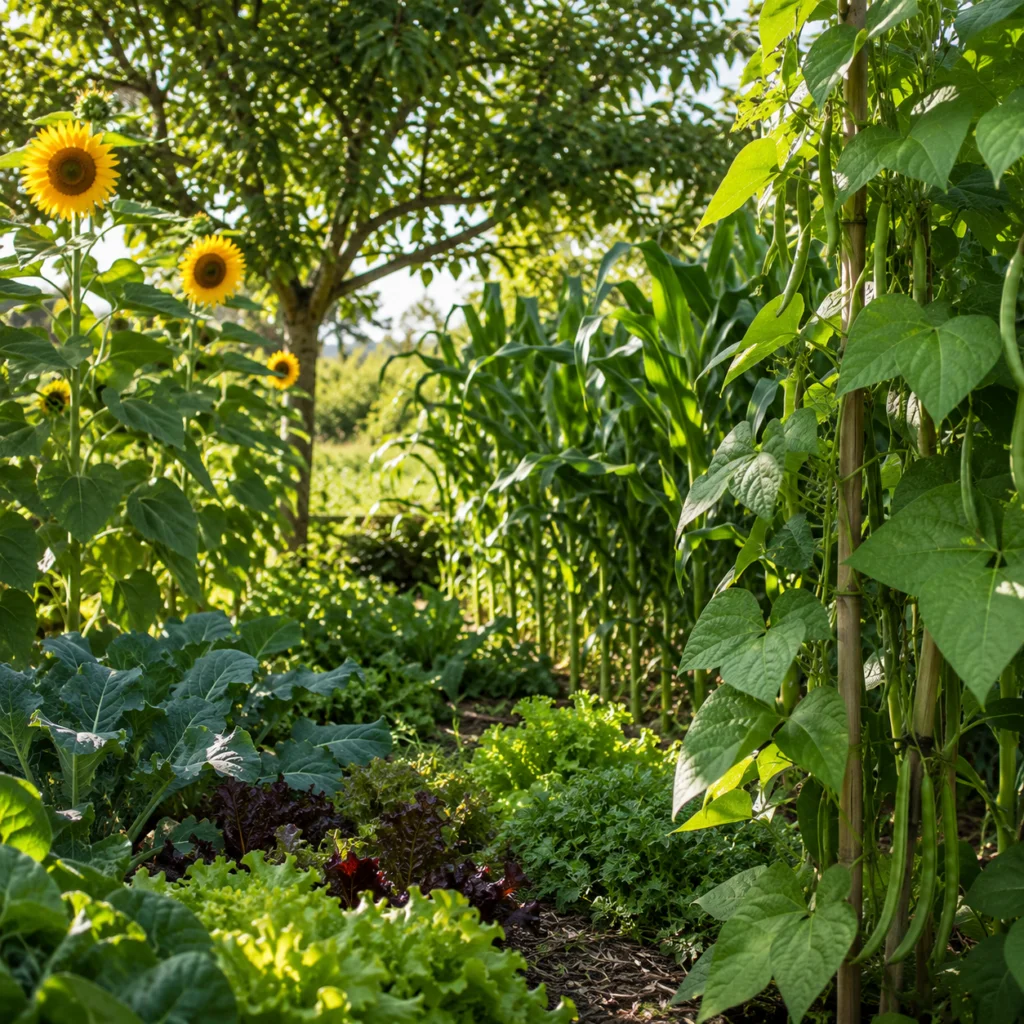
Simply owning an insect hotel is not enough; its placement is crucial for attracting visitors. To lure mason bees or osmia, position the hotel facing south or southeast, at least one meter off the ground, sheltered from prevailing winds. A stone wall or wooden post works well for this purpose. Avoid shaded or overly damp locations that could promote mold. In regions with humid winters, it’s wise to select a model with a ventilated bottom and provide a small awning for protection. When combined with nearby floral diversity (like lavender, phacelia, or cosmos), the insect hotel can become a vibrant hub of activity.
Comparing Different Model Types: From Basic to Custom
| Type | Price (€) | Material | Lifespan | Effectiveness (visitors/year) | |----------------------------------------|-----------|---------------------------|----------|-------------------------------| | Entry-level (Leroy Merlin, Castorama) | 15-30 | Light wood, bamboo | 1 season | 0-5 | | Mid-range (Truffaut, Naturapi) | 40-80 | Solid pine, varied modules | 3-5 years| 10-30 | | Custom / Handmade | 50-100+ | Chestnut, local materials | 5-10 years| 20-50+ |
Entry-level models often resemble decorative cubes and may only last a single season due to their fragility. In contrast, mid-range offerings from specialists are modular, built from solid wood, representing a more sustainable investment. Handmade options, crafted from reclaimed materials (like pallets, tiles, or bamboo), appeal to purists who wish to tailor their hotel to their local microclimate.
Limitations to Be Aware Of: When Insect Hotels Fall Short
Despite their positive image, insect hotels are not a cure-all. Poorly designed models can become death traps: untrimmed bamboo can injure bee wings, deep cavities may attract parasites, and untreated wood can rot in humid climates. Additionally, targeted insects may favor natural habitats, such as piles of dead wood or stone walls, over artificial structures. Research from INRAE emphasizes that insect hotels should supplement a diverse garden rather than replace it. Gardeners should steer clear of overly decorative models that compromise functionality and ensure to clean the cavities each spring to prevent disease.
Recommendations Based on Your Gardening Profile
Tailor your choice of insect hotel to your specific gardening needs:
- Beginners: Opt for a compact model made from FSC-certified wood, featuring a removable roof for observation, available for around €25 at Gamm vert.
- Committed Gardeners: Look for a hotel designed for ladybugs and lacewings, equipped with corrugated cardboard cells and a protective net against birds, costing about €50 on specialized sites.
- Large Orchard Owners: Invest in a professional multi-tier model made from robinia wood with interchangeable modules (like those from Naturapi, priced between €70 and €100).
Whenever possible, purchase from a local manufacturer or garden center to ensure compatibility with the species in your area.
Future Perspectives: Towards Connected Insect Hotels?
The future of insect hotels is becoming more technologically advanced. Some French manufacturers are integrating humidity and temperature sensors linked to mobile apps, allowing real-time monitoring of insect activity. Others are developing hemp concrete modules that offer better insulation and durability. Furthermore, municipalities like Lyon and Nantes are installing giant insect hotels in urban parks as part of their green frameworks. This evolution signifies that these structures are transforming from mere decorative items to tools for measuring and raising awareness about biodiversity. For gardeners in France, this presents an opportunity to engage in a civic initiative while actively improving the health of their gardens.
Frequently Asked Questions
Should I Bring It Indoors for Winter?
No, insects hibernate inside the hotel. Simply moving it to a sheltered spot away from heavy rain is sufficient.
What Is the Best Time to Install It?
Spring, before the first solitary bees lay their eggs, is ideal.
Can I Build One Myself?
Yes, you can use untreated wood and natural materials, but avoid plastic and rusty nails.