Identifying and Combating the Apple Web Moth
Protect your apple trees from the apple web moth with my tips on prevention, natural control, and combat methods. The apple web moth (_Yponomeuta malinellus_) belongs to the family of...
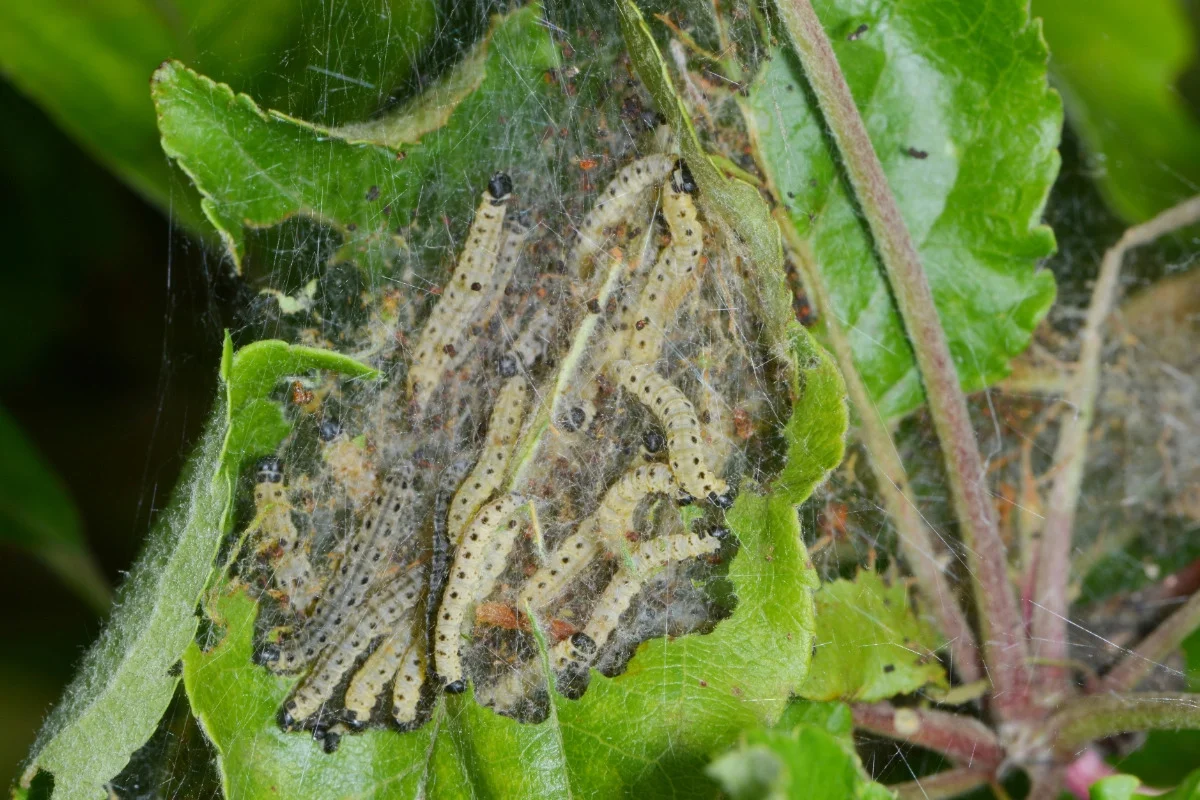
Protect your apple trees from the apple web moth with effective prevention and control strategies.
The apple web moth (Yponomeuta malinellus) is a member of the family Yponomeutidae and typically produces one generation each year. In May, the caterpillars begin to spin webs around the shoots and leaves of the apple tree, creating a protective cocoon while they feed on buds, young leaves, and even entire leaf sections. A severe infestation can lead to significant damage to the trees. It is crucial to target the early larval stage to effectively control this pest.
Identifying the Apple Web Moth
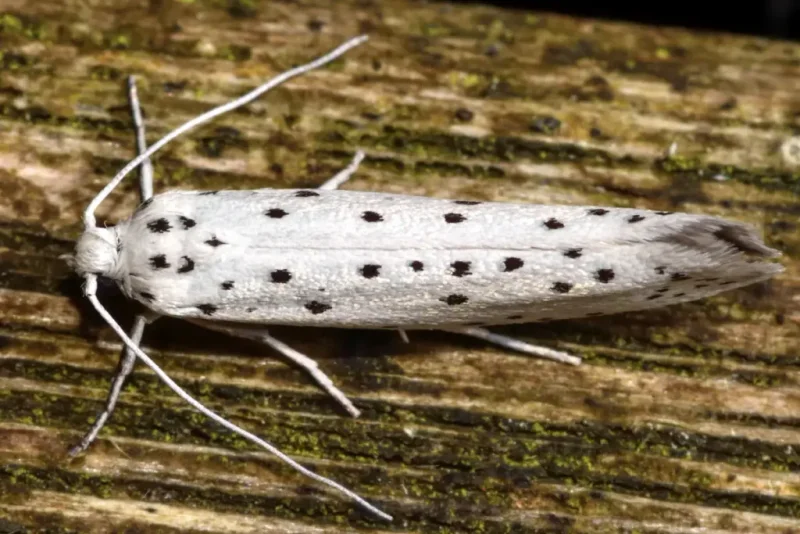
Adult apple web moths measure about 10 to 12 mm in length and can be observed from June to August. Males and females are visually similar, making them difficult to distinguish. They are characterized by white forewings adorned with numerous small black spots, while their hindwings are gray with long fringes. Although these moths are more active during twilight and nighttime, they are less noticeable in the garden compared to the larvae and their conspicuous webs in spring.
💡 Fun Fact: The adult apple web moth has a lifespan of 20 to 30 days.
Life Cycle of the Apple Web Moth
Like other butterflies, the apple web moth undergoes four developmental stages: egg, larva, pupa, and adult moth. The larval phase is particularly significant due to its destructive feeding habits on the apple tree.
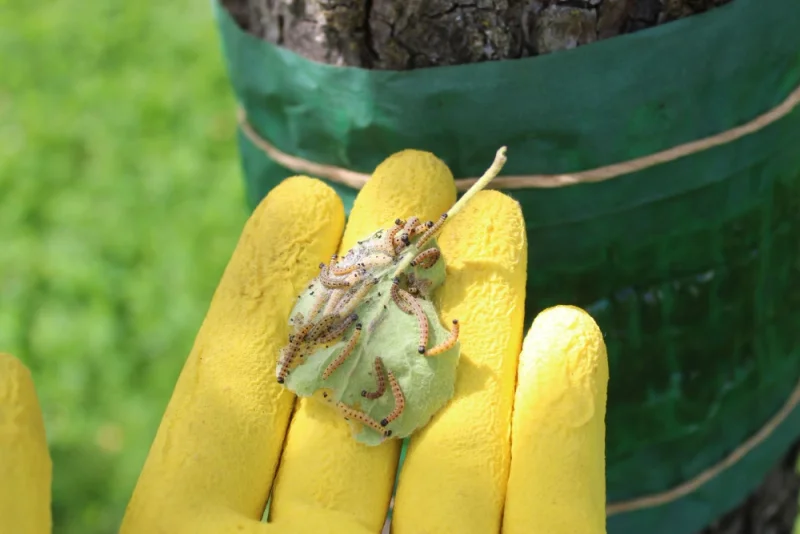
- After mating, females lay small clusters of eggs between July and August on young shoots and branches in the crowns of apple trees. A single female can lay up to 150 eggs, which she covers with a yellowish slime for protection.
- The tiny caterpillars hatch after about 8 to 15 days, mostly in August or September. They initially remain hidden under the protective layer and overwinter there on the tree. In spring, around April, they become active, entering the buds and molting.
- With each molt, the larvae grow larger. Between April and May, they create the characteristic webs that can encompass multiple leaves or entire shoot sections. Within these webs, the caterpillars live in groups, shielded from the elements and predators.
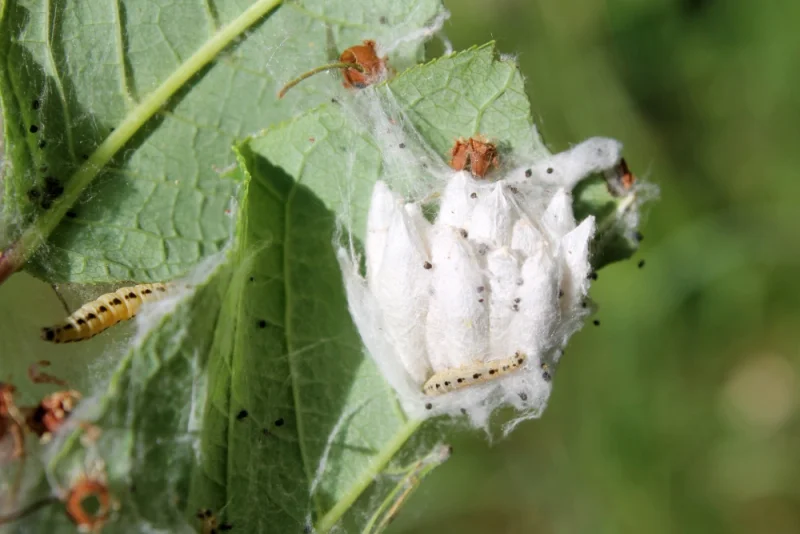
- After about six weeks, the larvae pupate within the webs, typically from late May to June. The white cocoons are densely packed and can be easily spotted during a heavy infestation. The adult moths emerge in the summer, between June and August, completing the cycle.
💡 Tip: The caterpillars possess silk glands from which they produce fine threads, similar to spiders. As they feed on leaves, shoots, and buds, they move across the plant, spinning new threads and gradually forming a dense white web.
Damage Caused by the Apple Web Moth
The damage from the apple web moth becomes evident in early summer. The ravenous caterpillars consume the leaves, leading to defoliation, crop losses, and growth deficiencies in the tree.
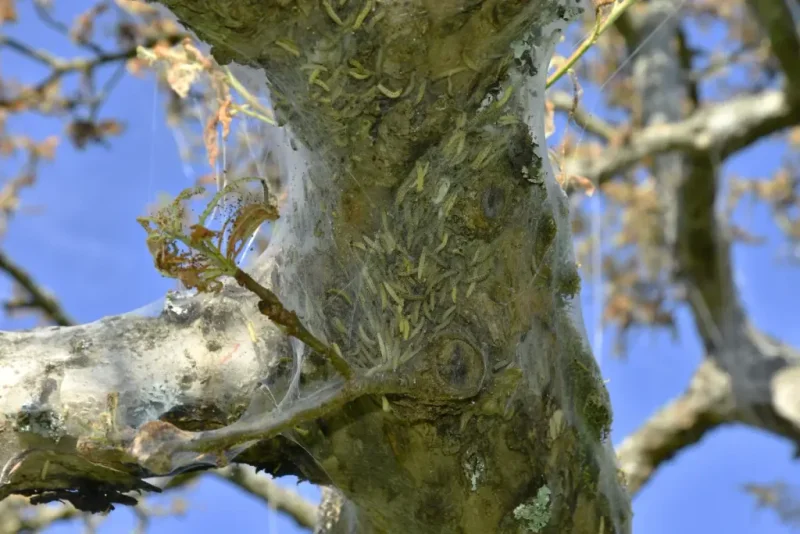
- Leaf Loss: The caterpillars scrape the leaf tissue, often consuming leaves down to the ribs. In severe cases, the tree can lose a significant portion or all of its leaves (defoliation).
- Consequences for the Tree: Defoliation severely restricts photosynthesis, diminishing the tree's vitality, which may result in sluggish regrowth during summer.
- Crop Loss: Trees require substantial energy for new growth, often leading to the dropping of blossoms and young fruits, causing either a weak harvest or complete crop failure for that year.
Despite the alarming appearance, apple trees typically do not die from infestations but can fully recover in the following months or the next spring. Since the apple web moth produces only one generation per year, timing for control is vital.
Combating the Apple Web Moth
The most effective way to combat the apple web moth is to act while the caterpillars are still young and before they have formed dense webs.
Mechanical Control Methods
Handpicking larvae and pupae with gloves is a practical method. Timing is crucial: It is best to remove the first small webs in April or May, before the caterpillars proliferate and the shoots become heavily infested.
💡 Tip: If visible white cocoons are present in the webs, the larvae are in the pupal stage. These pupal nests can still be removed, which will not stop current feeding but will reduce the number of moths that emerge in summer to lay new eggs.
Biological Control
Biological control methods are effective against the apple web moth if applied at the right time. Preparations containing Bacillus thuringiensis, or Bt, have proven particularly effective. Young caterpillars ingest the active ingredient while feeding, cease their feeding activity, and subsequently die.
The optimal period for application is between mid-April and mid-May, when the caterpillars are still small and feeding on buds and young leaves. If they have already formed dense webs, the treatment will have limited effect. In such cases, it is more effective to strip the nests or prune heavily infested shoot tips. This biological pest control does not harm wild or honey bees.
💡 Tip: Parasitic wasps can attack the caterpillars or pupae of the apple web moth. However, utilizing this effect in a home garden is challenging, as suitable species are not readily available as beneficial insects against the apple web moth.
Preventing the Apple Web Moth
Encouraging natural predators in the garden can help prevent infestations of the apple web moth. It is essential to create an environment that attracts animals that feed on caterpillars, pupae, or moths, which can be achieved by maintaining a natural garden.
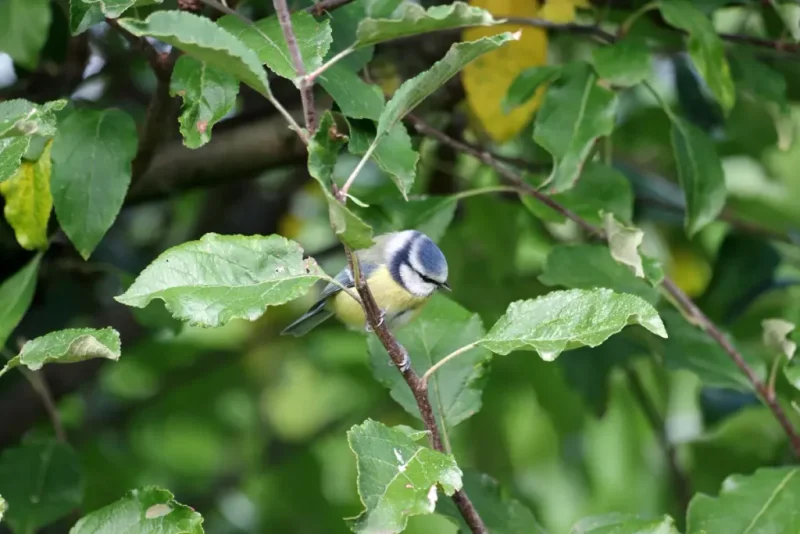
- Birds such as blue tits and sparrows feed on the caterpillars of the apple web moth, especially during the breeding season when they require protein-rich food for their young. Installing birdhouses near fruit trees, providing dense hedges, native shrubs, and a shallow water source can enhance garden appeal for songbirds. Birdhouses should ideally be hung in the fall or early spring.
- Assassin bugs (Reduviidae) prey on small caterpillars and other soft insects. They prefer to inhabit structurally rich areas of the garden, such as among perennials, grasses, herbs, and loosely planted beds. Untended corners with plant debris or dense growth provide them with shelter. Broad-spectrum insecticides should be avoided, as they can harm assassin bugs as well.
- Parasitic wasps (Ichneumonidae) lay their eggs in or on caterpillars. The larvae that hatch develop within the pest, preventing the emergence of new moths. To attract parasitic wasps to the garden, small open flowers with easily accessible nectar are necessary. Suitable plants include dill, fennel, coriander, wild carrot, and yarrow.
- Chalcid wasps (Chalcidoidea) can parasitize the eggs, caterpillars, or pupae of various insects, thereby helping to naturally limit web moth populations. They thrive in gardens where something is blooming from spring through autumn. Native wildflowers, unfilled blossoms, and flowering borders provide them with food and refuge.
💡 Tip: In winter and spring, using tree wraps or bark glue rings can help prevent moth egg-laying, thereby reducing apple web moth populations.
Caring for Apple Trees After Infestation
Post-infestation, it is crucial to care for your apple tree to support its recovery.
Watering the Apple Tree After an infestation by the apple web moth, the tree requires time and adequate moisture to produce new leaves. Water thoroughly when the soil is dry and crumbly at a depth of 10 to 15 cm.
💡 Tip: Avoid waterlogging, as it can weaken the roots and hinder recovery. Heavy clay soils should be watered less frequently than sandy soils. A thin layer of mulch made from grass clippings, straw, or leaf compost can help retain moisture in the soil.
Nourishing the Apple Tree Avoid heavy nitrogen fertilization. Excessive fertilizer encourages soft, vulnerable shoots, putting additional stress on the tree. Instead, a thin layer of mature compost applied lightly around the root area is more beneficial.
Avoid Immediate Pruning Although the tree may appear bare, a significant pruning immediately after infestation is usually inadvisable. Many shoots may seem damaged but are still alive. It is better to wait and see if new leaves will sprout. Dead, dry, or broken branches can be removed later. Regular training or thinning cuts are best done in the appropriate seasonal timing, depending on the goal, either in winter or moderately in summer.
Frequently Asked Questions About the Apple Web Moth
How can I identify an infestation of the apple web moth?
An infestation is recognizable by the white webs on the branches and leaves of your apple trees. Within these webs, the larvae are present, feeding on the leaf tissue.
What damage does the apple web moth cause?
The larvae of the apple web moth strip the leaf tissue, impairing photosynthesis. This can lead to substantial crop losses.
How can I protect my apple trees from the apple web moth?
Implementing preventive measures and encouraging natural predators can help safeguard your trees from infestations.
Should I combat the apple web moth with chemical insecticides?
While chemical treatments are an option, biological and mechanical methods are often more sustainable and environmentally friendly.
How should I care for an apple tree after an infestation by the web moth?
Proper watering and nutrient management are essential for the recovery of an apple tree after an infestation.