How to Grow Organic Eggplants: A Comprehensive Gardener's Guide
Discover how to grow organic eggplants with this comprehensive guide covering variety selection, soil preparation, sowing techniques, and care tips.
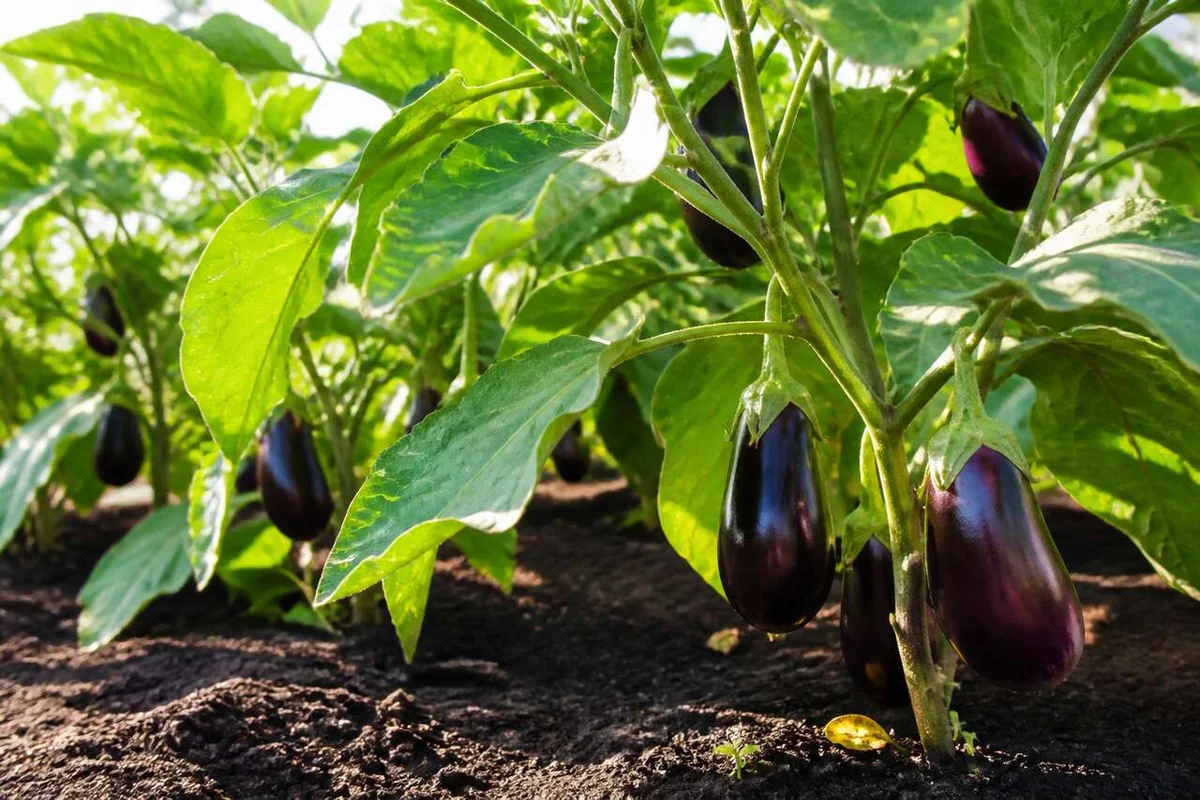
In organic gardening, cultivating eggplants requires meticulous attention to detail. This solanaceous plant thrives on warmth, sunlight, and rich soil, necessitating careful management from sowing to harvest. When properly cared for, eggplants produce fleshy, consistent, and flavorful fruits, all while fitting into a garden approach that respects ecological balances.
Selecting Suitable Eggplant Varieties
Understanding Climatic Needs and Growth Duration
Eggplant (Solanum melongena) flourishes in conditions where temperatures consistently exceed 20 °C. In warmer regions, such as the Midi and South-West, outdoor cultivation is often straightforward. However, in cooler northern areas, success frequently hinges on growing them in protected environments to ensure warmth and mitigate climatic fluctuations.
Choosing the right variety is crucial; a late and highly productive type may disappoint if the growing season is brief, while an early variety can secure yields.
Comparing Varieties by Use and Maturity
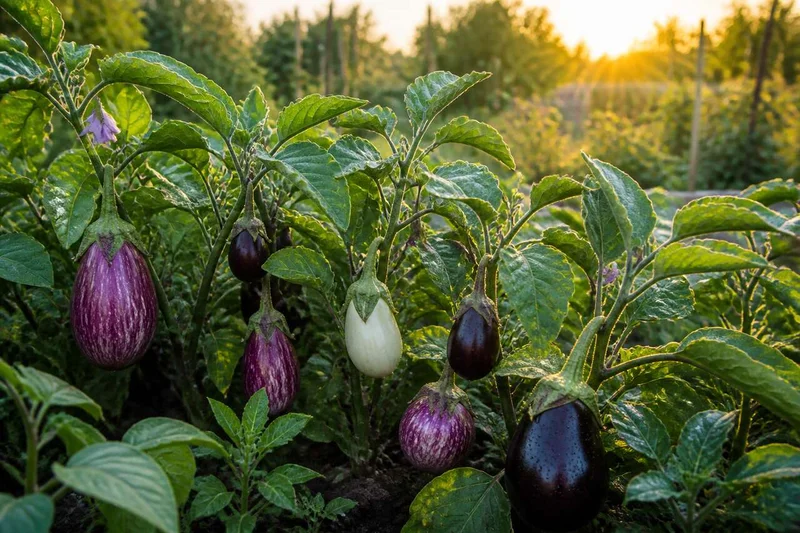
Eggplants vary in shape, color, size, and time to fruiting. In organic gardening, the goal is often to strike a balance between hardiness and taste quality.
- Round varieties: Ideal for stuffing, with dense flesh.
- Long varieties: Versatile, easy to slice, and generally productive.
- Early varieties: Suited for cooler areas or shorter seasons.
- Compact varieties: Great for small gardens or protected cultivation.
Reference Table to Guide Your Choice
This table assists in making informed decisions without guaranteeing identical performance across gardens, as exposure and soil quality are critical factors.
| Criterion | Option | Main Advantage | Caution | |------------------|--------------|-------------------------------------|----------------------------------| | Maturity | Early | Faster fruiting | Smaller size may occur | | Maturity | Late | High yield potential | Requires a long season | | Growth Habit | Compact | Easy to shelter and stake | Needs careful air circulation | | Shape | Long | Versatile culinary use | Sensitive to water stress |
Once the variety is selected, success largely depends on one factor: the soil's ability to provide warmth, drainage, and nutrients without excess water retention, necessitating careful preparation of the garden.
Preparing the Soil and Organic Garden
Aim for Rich, Well-Drained Soil with a Slightly Acidic to Neutral pH
Eggplants prefer deep, fertile soil that is also well-drained with a pH leaning slightly acidic to neutral. Compacted, waterlogged soil can lead to root asphyxiation and increase disease risks. Conversely, overly poor soil results in weak plants and inconsistent fruiting.
Amend with Mature Compost and Well-Decomposed Manure
In organic gardening, the addition of organic matter is a key strategy. Mature compost enhances soil structure and biological activity, while well-decomposed manure provides long-lasting nutrition. Ideally, these amendments should be incorporated in the fall or spring, depending on your garden's layout, to prevent excess chill at planting time.
- Mature compost: Improves structure, water retention, and biological activity.
- Well-decomposed manure: Provides long-term nourishment without burning roots.
- Organic mulch: Reduces weeds and stabilizes moisture levels.
Structuring the Space: Exposure, Rotation, and Beneficial Associations
The planting area should receive full sun and be sheltered from cold winds. Crop rotation is vital; avoid replanting solanaceous crops in the same spot year after year to lessen disease pressure. Companion planting aims to diversify and attract beneficial insects while maintaining good air circulation around plants.
Control Points
| Objective | Simple Garden Indicator | |----------------------|---------------------------------------------| | Exposure | Maximize warmth | | Drainage | No standing water after watering | | Rotation | Avoid planting solanaceous crops in the same location | | Air Circulation | Foliage dries quickly after rain |
Once the soil is prepared and the site is well-chosen, timing becomes critical in the delicate stage of nurturing robust seedlings through effective sowing.
Efficiently Sowing Eggplants
Sow at the Right Depth in Fine Substrate
Sowing is done in trays or pots, at a depth of 1 cm in a fine seedling mix. Germination typically occurs in 10 to 15 days if conditions are warm enough. Using a coarse or overly moist substrate can hinder germination and weaken young plants.
To ensure warmth, many gardeners opt for a seedling mini-greenhouse or heating mat, but they must remain vigilant about ventilation to prevent damping off.
Manage Light, Watering, and Air Circulation Post-Germination
After germination, the primary concern is etiolation: long, thin stems due to insufficient light. Seedlings should be placed in a very bright location, and watering needs to be regular but moderate. The goal is to keep the substrate moist without becoming waterlogged.
- Light: Position seedlings near a bright window or use grow lights if necessary.
- Watering: Small, frequent amounts without excess.
- Air Circulation: Avoid stale air, especially under covers.
A proper lighting setup, along with careful management of watering and air circulation, is essential for nurturing healthy eggplant seedlings, setting the stage for a fruitful growing season.