How to Build an Insect Hotel: A Step-by-Step Guide
Learn how to build an insect hotel to support pollinators in your garden with this detailed guide. Discover the materials, construction steps, and maintenance tips.
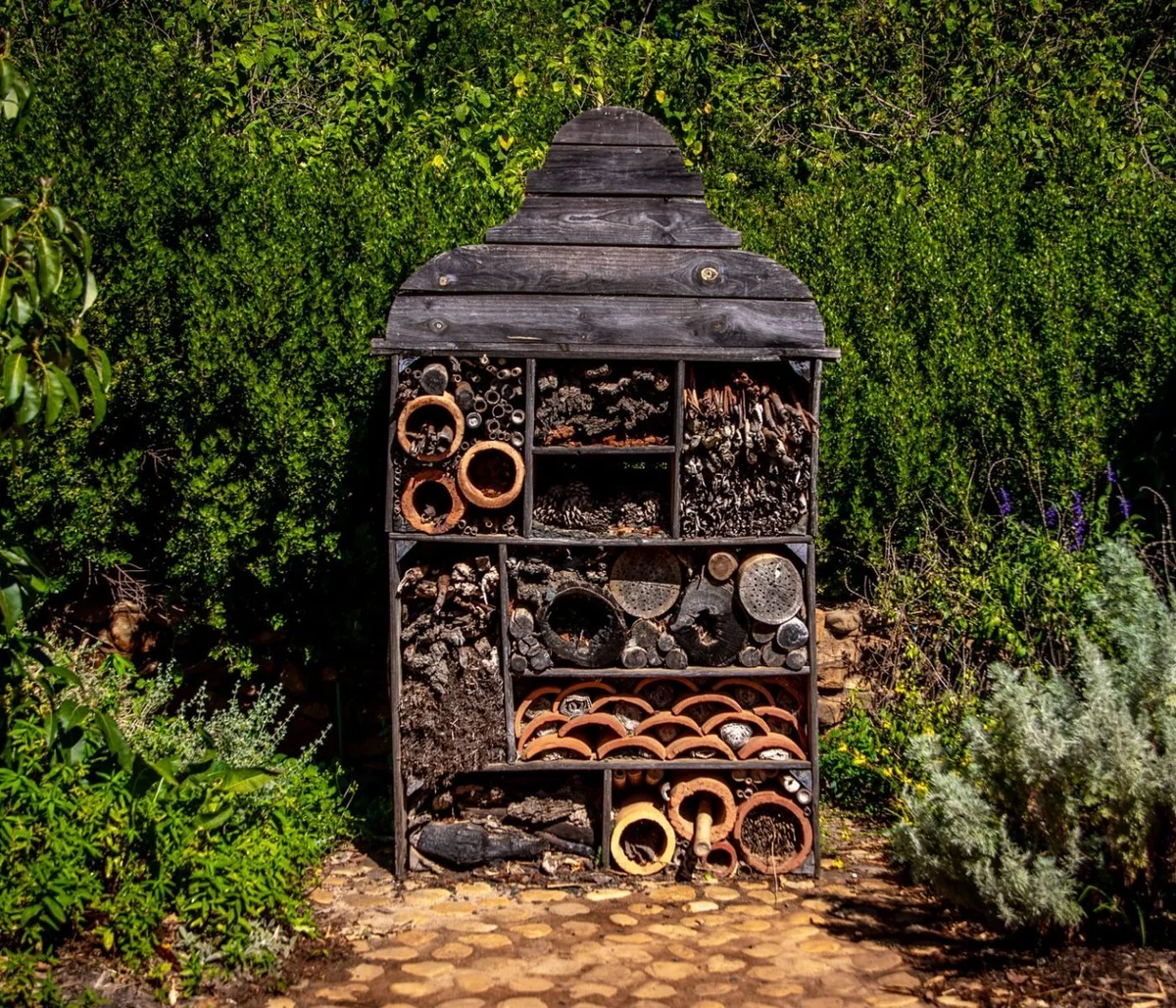
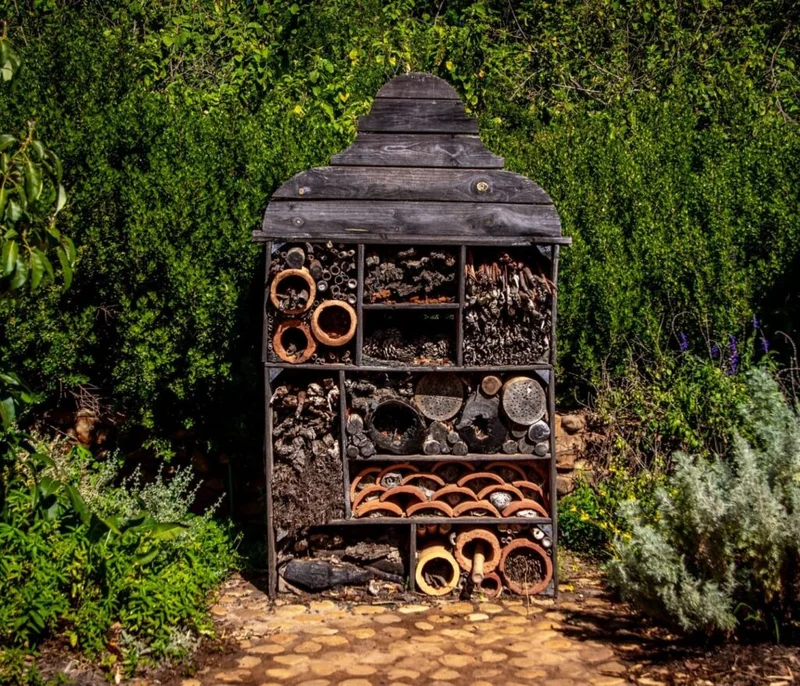
Creating an insect hotel can be an enriching project for any gardener looking to enhance biodiversity. With the decline of pollinator populations in France, providing a safe haven for these essential creatures is more important than ever. An insect hotel not only offers shelter during the winter months but also serves as a breeding ground, contributing positively to your garden's ecosystem.
Why Build an Insect Hotel in Your Garden?
Seeing bees buzzing around lavender is a source of joy for many gardeners. However, these pollinators need our support, especially as their numbers dwindle. An insect hotel is a simple yet effective way to promote biodiversity in your garden. It can help improve the pollination of your fruit trees and naturally reduce aphid populations, making it a worthwhile project.
Choosing the Right Materials for an Effective Insect Hotel
The key to a successful insect hotel lies in the materials used. Avoid treated wood or plastic, as insects can be harmed by chemicals. Here are some recommended materials:
- Structure: Use untreated pine wood, hollow bricks, or an old hollow tree trunk.
- Hollow Stems: Bamboo, elder, or dried bramble stems cut into 15-20 cm lengths with one end sealed.
- Drilled Logs: Create holes of 2 to 10 mm in diameter, 5 to 10 cm deep. Vary the sizes to attract different insect species.
- Filling Materials: Pine cones, straw, hay, moss, hollow tiles, and bark. Avoid glass wool or polystyrene.
I often salvage bamboo from my grandmother's garden, where she used it for tomato supports—a true treasure!
Step-by-Step Guide to Building an Insect Hotel
1. Prepare the Filling Materials
Cut the bamboo and hollow stems, and drill the logs. Sort the materials by category—think of it as organizing your garage, with each item in its place.
2. Assemble the Structure
Secure a base to your box using fine mesh. Create internal partitions to separate the chambers and pack the materials tightly to prevent movement in the wind.
3. Add a Sloped Roof
Construct a roof from wood or tiles, sloped to allow rainwater to run off. Elevate the structure by 5 cm using legs to avoid moisture from the ground and deter predators.
4. Install the Hotel in the Right Spot
Position the hotel 1 to 1.5 meters above ground, facing south or southeast. It should be sheltered from prevailing winds (west/southwest in France) and located near a hedge or a flowering area. Trust me, placement is crucial.
Common Mistakes to Avoid
I’ve made my share of mistakes while building insect hotels. Here are some common pitfalls to steer clear of:
- Using Treated Wood: Chemicals repel insects; stick to untreated materials.
- Placing the Hotel in Shade: A shaded location can become too damp, promoting mold growth. Avoid northern exposures in France.
- Using Synthetic Materials: Materials like glass wool and polystyrene can be harmful to insects. Opt for untreated hemp, straw, or sheep wool.
- Neglecting Maintenance: Clean and replace damaged materials once a year, ideally at the end of winter.
Which Insects Will Visit My Garden in France?
Based on observations from myself and fellow gardeners, here are some of the key visitors you can expect:
| Insect | Benefit | Preferred Material | |-----------------------|---------------------------------------|-----------------------------------------| | Solitary Bee (Osmia, Megachile) | Pollinates fruit trees | Hollow stems, drilled logs (6-8 mm holes) | | Ladybug | Consumes aphids (up to 50 daily) | Straw, hay, bark | | Lacewing | Larvae eat aphids (up to 500 per larva) | Pine cones, straw | | Earwig | Feeds on aphids and slug eggs | Straw, hollow tiles | | Ground Beetle | Predates slugs and caterpillars | Dead wood, moss |
Nature has its balance, with each insect playing a vital role. With a bit of patience, you’ll see your insect hotel become a bustling habitat.
What is the Cost of Building an Insect Hotel?
If you repurpose materials, the cost can be negligible. Expect to spend around €10-15 for a box made of untreated pine and screws. Basic models available in garden centers range from €20 to €50, but they are often poorly designed or undersized. A customer once reached out to me about a store-bought hotel that only contained decorative bamboo, which was useless. Crafting your own is not only more economical but also more effective.
Is Maintenance Required for the Insect Hotel?
Yes, maintenance is essential once a year. Open the hotel at the end of winter, remove any moldy or damaged materials, and replace them with fresh ones. Ensure the roof is waterproof—I've made the mistake of having a leaky roof, leading to rot. Regular upkeep will extend the life of your hotel.
When Will I See My First Insects?
Colonization can take several months, sometimes up to a year. Be patient! You might first notice spiders and earwigs. Then, in spring, solitary bees will arrive, providing a delightful spectacle to observe.
So, are you ready to build your insect hotel? Dive in, dear gardener. Biodiversity will surely thank you.