How Coffee Grounds Naturally Enrich Your Vegetable Garden
Discover how coffee grounds can enhance soil fertility and structure in your vegetable garden while promoting sustainable gardening practices.
📋 In brief
- ▸ Coffee grounds enrich the soil with nitrogen, potassium, phosphorus, and magnesium, enhancing fertility.
- ▸ They improve soil structure, increase water retention, and boost earthworm activity.
- ▸ Their use requires specific practices to avoid excess risks and optimize benefits.
Coffee Grounds in the Vegetable Garden: An Unexpected Ally for Your Plants
When utilized wisely, coffee grounds significantly contribute to soil fertility by providing essential nutrients such as nitrogen (N), potassium (K), phosphorus (P), and magnesium. These elements play a crucial role in creating a vibrant soil ecosystem, which is fundamental for resilient plant growth. In conjunction with existing decomposing organisms, coffee grounds support an exceptional microbial biodiversity in the top six inches of soil, where 80% of microbial activity occurs.
- Soil Structure: The fine particles of coffee grounds enhance water retention, reduce compaction, and promote good air circulation, which is vital for oxygenating young roots.
- Biological Activity: Earthworms thrive in enriched gardens, boosting the incorporation of organic matter. A report from INRAE in June 2022 indicated that adding 200g/m2 of coffee grounds activates soil microfauna by an average of 17%.
- Biodiversity: Coffee grounds encourage the development of diverse microbial flora and fauna, which aids the slow transformation of organic matter into stable humus.
Incorporating this brown gold into gardening routines allows for the valorization of a daily waste product while sustainably improving soil health.
Recommended Practices for Using Coffee Grounds in the Vegetable Garden
Managing coffee grounds requires diligence and method. Protocols suggested by the Cercle National des Jardiniers Biologiques (CNJB) and educational sites like Permacool ensure ecological efficiency while limiting risks, particularly concerning pH and compaction.
- Even Distribution: Spread coffee grounds in a thin layer (0.5 to 1 cm) around plants, then lightly incorporate them by raking, especially after rain.
- Composting Mix: Combine coffee grounds, rich in nitrogen, with carbon-rich materials (straw, dried leaves) in your compost bin, ideally making it 10% of the mix to optimize aerobic decomposition.
- Localized Mulching: Use dry coffee grounds as mulch on seed rows or at the base of delicate shrubs. This reduces water evaporation and creates a physical barrier against certain pests.
On the ground, operations like La Microferme du Bec Hellouin in Eure have established precise protocols and encourage fractional applications to prevent germination blockage due to excess caffeine or fine materials.
It is recommended not to exceed a total of 500 g/m2 per growing cycle, with each application followed by a period of observation of soil structure and plant development.
Coffee Grounds as a Natural Fertilizer: Quantitative Analysis
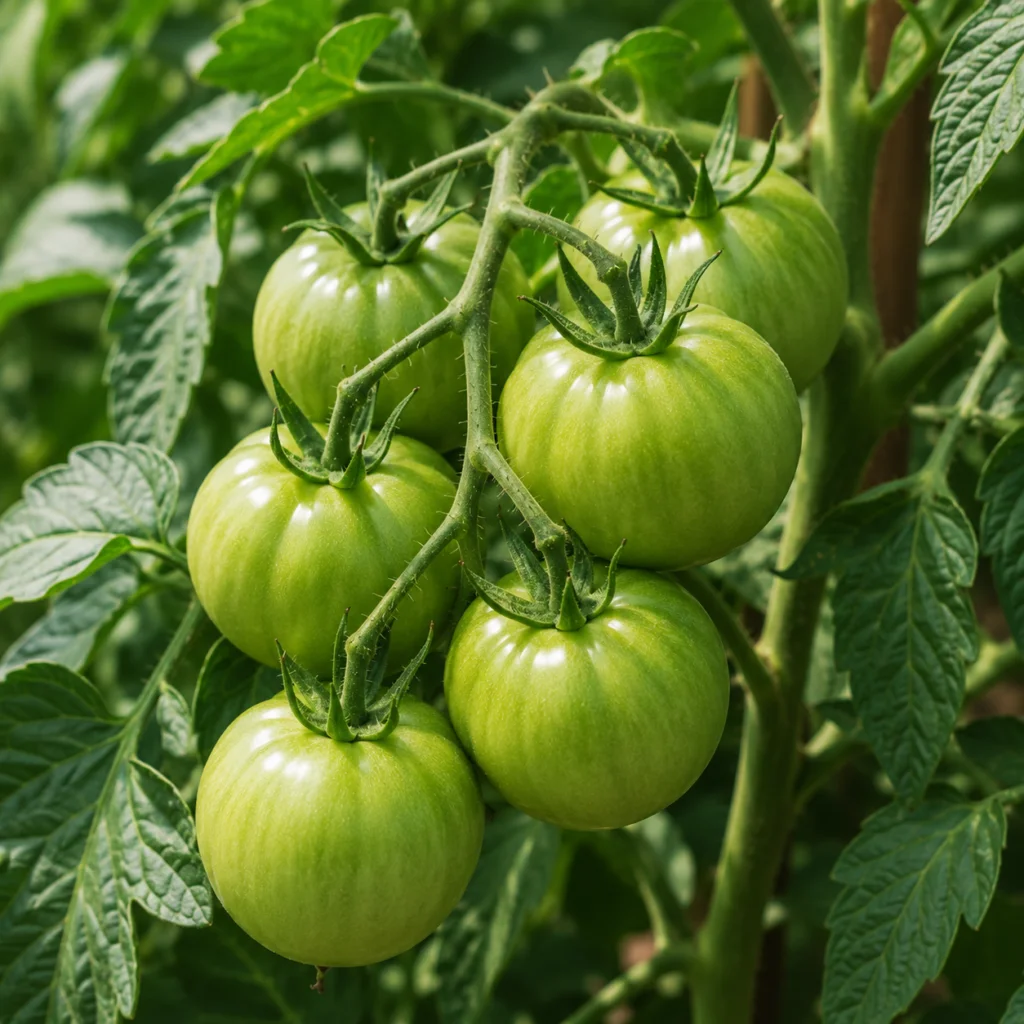
According to analyses conducted by Laboratoire Synlab Agronomie in 2023, coffee grounds contain on average 2% total nitrogen, 0.5% available phosphorus, 0.8% potassium, and 0.12% magnesium. This nutrient profile makes them a useful supplement to conventional mineral fertilizers, particularly for hydrangeas, roses, tomatoes, peonies, and rhododendrons.
The gradual application takes advantage of the slow release of minerals through the complementary action of bacteria and fungi. In tested vegetable crops, such as at Domaine de Courson in Essonne, weekly applications of 50 g/m2 of dry coffee grounds from March 2022 to September 2023 increased the productivity of heirloom tomatoes by nearly 18% and the flowering of peonies by 12% compared to untreated controls.
- Flowering Effect: For the blue hydrangea ‘Nikko Blue’, regular applications over 24 months enhanced the blue coloration and doubled leaf vigor.
- Foliar Nutrition: Greener leaves and larger petals were observed on Meilland collection roses, according to tests conducted in 2023 by Jardins de Bagatelle.
In summary, coffee grounds provide sustainable nutrition aligned with the principles of permaculture and zero waste.
Natural Pest Control: Effectiveness and Limitations
In addition to their structural benefits, coffee grounds have been shown to repel certain animals and pests. Studies conducted by the Bureau d’Entomologie Appliquée du CNRS in Montpellier in 2021 demonstrated that the granular texture of coffee grounds, combined with their low residual odor, effectively deters slugs and snails during germination phases.
- Physical Barrier Effect: Surrounding lettuce seedlings or young Gariguette strawberries with dry coffee grounds reduced slug passage by 32% compared to untreated plots.
- Olfactory Deterrence: Ants and aphids were limited on David Austin modern roses, as caffeine and the residual scent acted as disruptors of pheromonal signals.
It is crucial to reapply after significant rainfall to maintain protective effectiveness, especially during spring and autumn, when invasions of helix aspersa and other pests are most likely.
The Influence of Coffee Grounds on Soil Acidity
An essential management parameter is the soil pH. Analyses conducted by the Laboratoire d’Agrochimie de Toulouse INP indicate that coffee grounds have a pH ranging from 6.2 to 6.8, making them slightly acidic but moderate compared to other amendments like pine needles.
- Acidophilic Plants: Species such as Vaccinium corymbosum (blueberry), Azalea japonica, or Hydrangea macrophylla benefit from lower pH soils.
- Excess Risks: Crops sensitive to acidity, such as Nantes carrots, Dubois green beans, or Bintje potatoes, may experience stunted growth if coffee grounds are overused.
It is advisable to conduct a pH analysis (using strips or a mini-laboratory sold by Vilmorin Jardin, average cost: €9.80 in May 2024) before large-scale application, particularly on plots already treated organically.
Testimonials and Concrete Case Studies
Field experiences confirm the benefits of coffee grounds when applied with the correct dosages. At Roseraie du Val-de-Marne, between February and September 2022, gardeners noted an increase of 14 cm in leaf growth for old roses with two monthly applications, compared to stagnation in untreated controls. In Lozère, at the Ferme Bio de la Margeride, the combination of zucchini and coffee grounds resulted in a 23% increase in fruit production for the ‘Black Beauty’ variety.
At the Société d’Horticulture de Limoges, a series of workshops conducted in March 2024 with 60 gardeners led to the creation of a best practices guide, encouraging gradual application, mixing with fibrous residues (crushed eggshells), and systematic pH measurement.
- Connected Composters: Users of Upcycle city composters in Lyon reported a reduction in compost maturation time from 24 to 16 weeks after regular incorporation of coffee grounds, resulting in finer and more aerated compost.
- Accelerated Growth: In Versailles, a collective of educators and researchers in agroecology observed in 2023 a more uniform emergence of Carentan leeks and a significant reduction in aphid populations during the summer.
These feedbacks indicate that a rational management of coffee grounds is a relevant evolution for any vegetable garden aiming for self-sufficiency.
Agronomic Alternatives and Usage Precautions
It is important to remain vigilant: coffee grounds are neither a miracle amendment nor a universal solution. Excessive use can inhibit germination (a phenomenon confirmed by INRAE Dijon tests on Cherry Belle radishes in spring 2023), highlighting the need for moderation.
- Optimal Dose: Limit the amount to less than 12% of the compost volume, applied in regular doses at each crop rotation.
- Imperative Mixing: Always combine coffee grounds with carbon-rich residues (dried leaves, straw, wood chips) to avoid any compacting or settling effects.
- Complementary Alternatives: Enriching the soil with sifted wood ash, composted manure, or dried grass clippings, products validated by the Centre Technique Interprofessionnel des Fruits et Légumes (CTIFL), provides better nutritional diversity for the garden.
I recommend conducting a preliminary test on a single plot before widespread application across the entire garden to observe specific plant reactions and adjust the frequency of application based on actual needs and current agronomic constraints.
Coffee Grounds: An Asset for a Sustainable Vegetable Garden
Incorporating coffee grounds into the management of the vegetable garden meets the dual requirement of promoting a low-resource consumption model while enhancing the vitality of our crops. The measurable improvement in soil structure, contribution to organic fertilization, pest regulation, and effective recycling of a daily waste product makes coffee grounds a true lever for domestic agroecology.
Field data shows increased productivity, reduced chemical interventions, and active participation in the ecological transition driven by institutions like the Fondation Nicolas Hulot since 2019. In the face of climate change challenges and the scarcity of certain inputs, leveraging coffee grounds represents a virtuous, accessible, and immediately applicable approach for everyone in their daily gardening practices.
It is up to each gardener, whether tending to 20 m² in the suburbs of Toulouse or managing a market garden in Rhône-Alpes, to integrate, measure, and value this precious residue. Let’s maintain vigilance regarding dosages, observe our plants’ progress, and collectively contribute to a richer and more sustainable gardening ecosystem.
🔧 Practical Resources and Tools
🛠️ Tools and Calculators
Currently, there are no specific software solutions for coffee grounds in vegetable gardening, but connected solutions are available via Pleyce for machine management and grounds collection.
👥 Community and Experts
No local community or forum specifically dedicated to coffee grounds in gardening in Lyon has been mentioned. However, companies like Un Amour de Café and ANA TriCaps offer resources and guidance for effective use.