Growing Lamb's Lettuce in Winter: A Comprehensive Guide for a Productive Garden
Discover how to cultivate lamb's lettuce in your garden during winter. Tips on planting, maintenance, and harvesting to enjoy this tender and flavorful salad throughout the cold season.
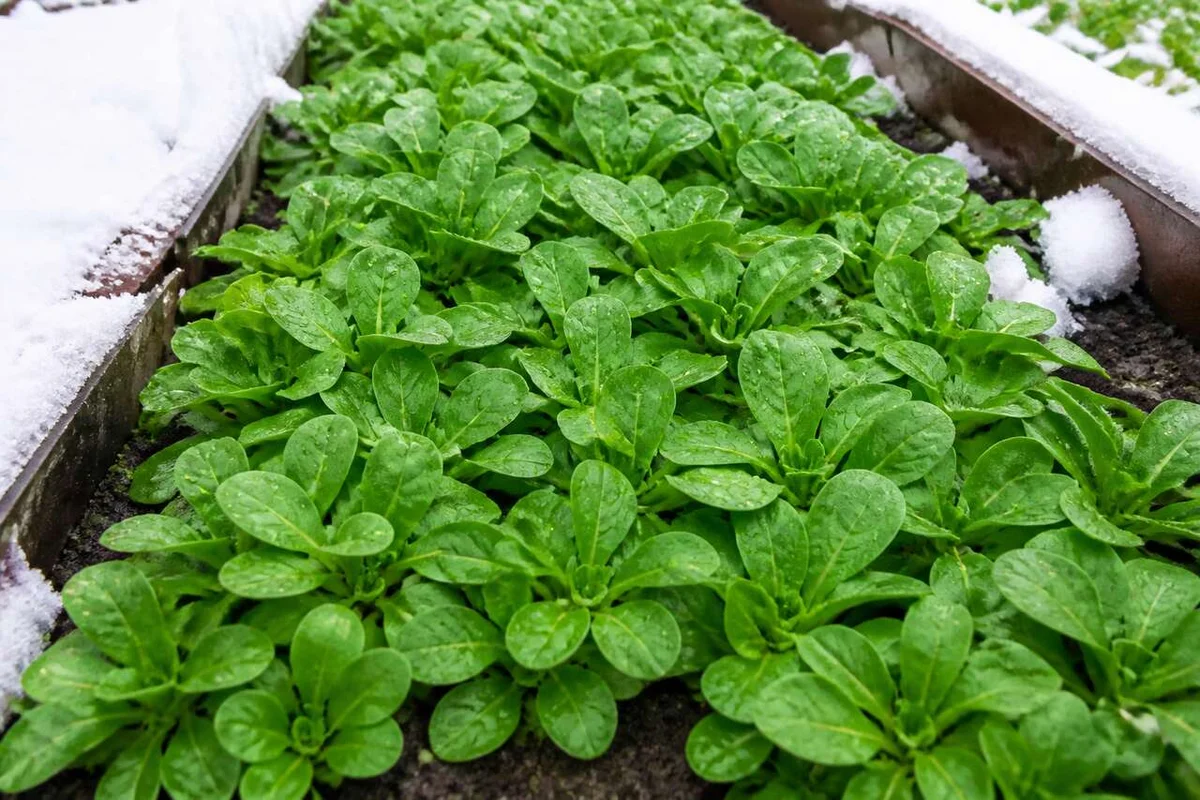
Understanding the specific needs of lamb's lettuce during the autumn and winter months is essential for cultivating this tender and flavorful salad green. Known by various names such as doucette, blanquette, or oreillette, this wild salad deserves more than a hasty sowing at the end of summer.
Key Takeaways
- Sow lamb's lettuce from July to October, ideally targeting late August to early September for continuous winter harvests.
- Favor a cool, light, and well-draining soil, sowing seeds shallowly (5 mm deep) to minimize thinning.
- Protect crops with winter cover or tunnels as soon as the first hard frosts arrive.
- Keep an eye out for slugs and gray rot, which thrive in stagnant humidity and poor ventilation.
- Harvest leaf by leaf starting in December to extend production into spring.
Why Lamb's Lettuce is the Ideal Winter Salad
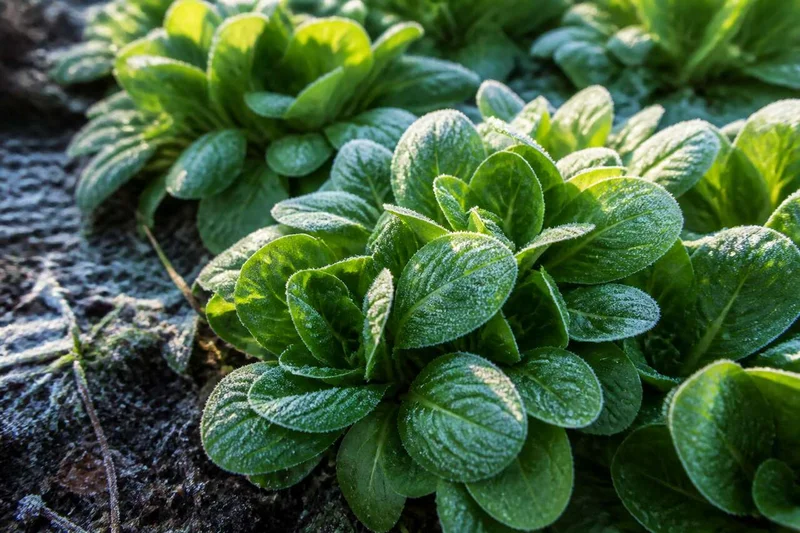
Few leafy vegetables withstand the cold as well as lamb's lettuce. This annual plant from the valerian family, scientifically known as Valerianella locusta, has earned its reputation for hardiness. It can endure moderate frosts without faltering, although extreme cold can slow its growth. This ability to thrive slowly under frost makes it an excellent choice for the months when the garden appears dormant.
A Growth Rhythm Aligned with the Cold
Unlike summer salads that bolt and go to seed at the first hint of warmth, lamb's lettuce actually prefers cooler temperatures. It thrives on a steady, slow growth that concentrates sugars in its leaves, imparting that distinctive nutty flavor, especially in younger plants. Sown as autumn approaches, it benefits from gradually decreasing temperatures, allowing it to establish without water stress or the risk of premature bolting.
Fundamentals of Cultivating Lamb's Lettuce
To successfully grow lamb's lettuce, a few simple principles should be followed: maintain a cool, loose soil, stagger sowings, ensure moderate yet consistent watering until germination, and provide protection as temperatures drop below freezing. Lamb's lettuce can be grown in the ground or in pots and containers, making it accessible even for those with small, sheltered balconies. France remains the world’s leading producer, harvesting around 20,000 tons each year, highlighting the significant role this crop plays in both home gardens and commercial agriculture.
Soil, Exposure, and Microclimates: Conditions that Make a Difference
Lamb's lettuce is not particularly demanding but does have preferences. It thrives in a light, rich soil with a neutral pH that drains well. The key is to avoid extremes: overly heavy soil retains moisture and encourages fungal diseases, while excessively dry soil hampers germination and establishment of young plants.
Preparing the Soil Without Disturbing It
It is crucial not to dig up the soil before sowing lamb's lettuce. A simple superficial raking is sufficient to aerate the soil without destroying its structure or bringing dormant weed seeds to the surface. This light preparation helps prevent compaction, which is important for a plant with shallow roots.
Choosing the Right Exposure
Finding the right exposure is a balancing act: lamb's lettuce prefers a sunny or partially shaded spot that is well-ventilated to avoid stagnant moisture that can lead to gray rot. In early season, a slightly shaded location protects seedlings from the last heat waves of late summer. Conversely, during the heart of winter, a spot that captures the low sun promotes continuous growth.
Leveraging the Garden's Microclimates
The success or failure of a winter crop often hinges on microclimates. A south-facing wall, for example, retains heat accumulated during the day and shields against cold winds. A slightly raised planting bed drains excess water more effectively and warms up faster in spring. Here are some practical tips to optimize your garden layout:
- Sow against a wall or a windbreak hedge to limit nighttime cooling.
- Use a raised border made of wood or stone to enhance drainage.
- Install a low tunnel or frame in the most exposed areas to protect against frost.
- Reserve the most sheltered spots for late sowings that are more vulnerable.
Once the location is determined, the next step is to schedule sowings to ensure a continuous harvest throughout the cold season.
When to Sow Lamb's Lettuce for Winter Harvest
The sowing window for lamb's lettuce generally spans from July to October, but not all months are equally favorable depending on the type of seed and regional climate.
Two Types of Lamb's Lettuce, Two Sowing Windows
There are essentially two cultivated varieties: the small-seeded lamb's lettuce, which is hardier, and the Italian or large-seeded lamb's lettuce, which is less frost-resistant but more productive. The variety ‘Coquille de Louviers’ exemplifies the first category, known for its cold tolerance. Small-seeded lamb's lettuce is typically sown in September, while large-seeded varieties can be sown as early as the beginning of August, provided temperatures are not excessively high.
The Late August to Early September Benchmark
For a staggered winter harvest, the most reliable time frame is late August to early September. This translates to aiming for a window of about one week around this period, depending on the year's calendar. August and September are generally considered the two most favorable months for sowing lamb's lettuce intended for winter production.
| Type of Lamb's Lettuce | Recommended Sowing Period | Cold Resistance | |-----------------------------------|---------------------------|------------------| | Small-seeded (e.g., ‘Coquille de Louviers’) | September | High | | Large-seeded / Italian | Early August | Moderate |
Staggering Sowing for Continuous Supply
The principle of staggered sowing is key to ensuring a continuous harvest: sowing every two to three weeks between July and October allows for a constant supply, with one batch germinating, another forming rosettes, and a third ready for harvest. Some gardeners align their sowing schedule with lunar cycles, favoring “leaf” days for leafy vegetables like lamb's lettuce. While this is optional, it can effectively structure a staggered sowing calendar.
Once the sowing dates are set, mastering the sowing technique is crucial to avoid common mistakes. Sowing lamb's lettuce: furrows, broadcasting, and methods to prevent thinning.
Sowing Lamb's Lettuce: Furrows, Broadcasting, and Methods to Avoid Thinning
Two techniques are commonly used to sow lamb's lettuce: broadcasting seeds across the surface or sowing in organized rows, which are easier to maintain.
Row Sowing vs. Broadcasting
Row sowing simplifies weeding and targeted watering, with a spacing of 20 cm between rows. Broadcasting, while quicker, is better suited for small areas or containers, with a recommended seeding rate of 0.5 g of seeds per square meter. Considering that it takes about 1 to 3 g for a thousand seeds, it’s clear that over-seeding can lead to overly dense plantings.
Best Practices for Successful Sowing
- Sow at a depth of 5 mm, no more, no less.
- Lightly press the soil after sowing to ensure good seed-to-soil contact.
- Water gently immediately after sowing, avoiding saturation.
- Keep the soil moist until germination, which typically occurs within 12 days at a germination temperature of 18 °C.
Soaking seeds beforehand or exposing them to cold can help standardize and speed up germination, although these techniques are not strictly necessary. They can be beneficial if using old seeds or in uncertain conditions.
The Method to Sow Thinly and Avoid Thinning
Thinning can be a tedious task if sowing is too dense. To avoid this, the best strategy is to sow thinly from the start, aiming for a density of about 100 plants per square meter. This means spacing seeds while broadcasting by hand rather than dumping them in clumps, or, when sowing in rows, placing one seed every 2 to 3 cm before lightly thinning to achieve a final spacing of 5 cm along the row. A well-planned sowing process saves valuable time in autumn when days shorten quickly.
In certain situations, direct sowing in the ground may not be the best approach. This is where transplanting comes into play. Planting and transplanting lamb's lettuce: pots, clumps, and direct sowing.
Planting and Transplanting Lamb's Lettuce: Pots, Clumps, and Direct Sowing
Transplanting lamb's lettuce is not always necessary, but it becomes particularly useful in specific scenarios.
When to Favor Seedlings in Pots or Clumps
In dry, stony soil, or in sheltered spaces where space is limited, starting seedlings in pots or clumps allows for better control over germination conditions: stable temperature, constant moisture, and no competition from weeds. This method also enables gardeners to prepare transplants several weeks before the final planting bed becomes available, for instance, after a harvest of tomatoes or beans still in place at the end of August.
The Transplanting Technique Without Breaking Roots
Lamb's lettuce has a fragile and shallow root system. Therefore, it is essential to transplant young plants carefully, preserving as much soil around the roots as possible, ideally by handling the clump directly without disturbing it. Watering immediately after planting helps to settle the soil around the roots and reduces transplant shock.
For spacing in the ground after transplanting, the same guidelines apply as for direct sowing: about 20 cm between rows and 5 cm between plants in the row. These distances ensure good air circulation, which is crucial for limiting fungal diseases during winter.
Direct Sowing: The Default Choice
In most cases, direct sowing in the ground remains the simplest and most economical solution. It avoids the stress of transplanting and is ideal when the soil is already loose, cool, and available at the right time. Transplanting is particularly advantageous for optimizing garden space or securing a crop under a tunnel by anticipating sowings.