Gardening for Active Individuals: Creating a Multifunctional Outdoor Space
Explore how to design a multifunctional garden that serves as a retreat, play area, and outdoor exercise space for active individuals.
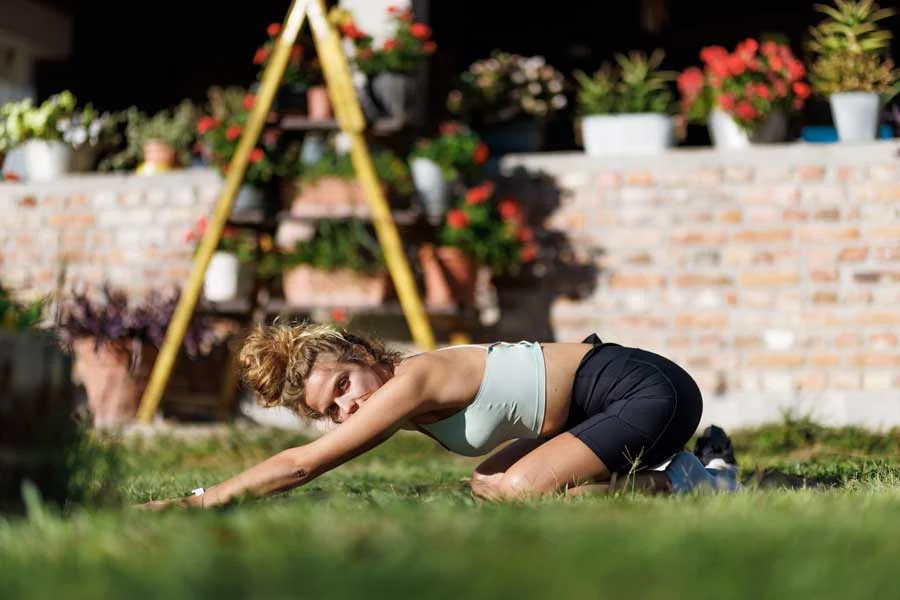
Gardens today serve purposes far beyond mere aesthetics; they have transformed into spaces for relaxation, social interaction, play, and even outdoor exercise. For those who integrate physical activity into their lives, a garden can become a versatile training ground.
Designing a garden that accommodates various activities requires thoughtful planning. Key considerations include the layout, types of plants, and available space. A well-planned garden can enhance not only the beauty of a property but also promote a healthier lifestyle.
Planning Your Garden
When embarking on garden planning, it’s essential to assess your needs and preferences. Consider the activities you enjoy—be it yoga, gardening, or family games. This will guide the design process, ensuring that the space is functional and enjoyable.
Choosing the Right Plants
Selecting plants that thrive in your climate and soil type is crucial. Opt for a mix of flowers, shrubs, and vegetables that not only beautify your garden but can also provide food. Incorporating native plants can enhance biodiversity and support local wildlife.
Creating Zones for Different Activities
Dividing your garden into specific zones can help maximize its utility. Designate areas for relaxation, play, and exercise. For instance, a flat section can serve as a yoga space, while another area can be set aside for planting fruits and vegetables.
Adding Functional Features
Incorporating features such as pathways, seating areas, and even outdoor equipment can enhance the garden's functionality. Pathways can guide movement through the space, while seating areas provide spots for rest and socialization.
Maintenance Considerations
Regular maintenance is essential to keep your garden thriving. Establish a routine for watering, weeding, and pruning to ensure that your plants flourish. Consider using sustainable practices, such as composting and rainwater collection, to promote a healthier ecosystem.
In conclusion, a well-planned garden can be a sanctuary for both relaxation and activity. By thoughtfully designing your outdoor space, you can create an environment that not only enhances your property but also supports a vibrant lifestyle.