Exploring the Allure of Nigella Flowers
Discover the diverse species of Nigella flowers, their gardening benefits, and care tips for cultivating these beautiful plants.
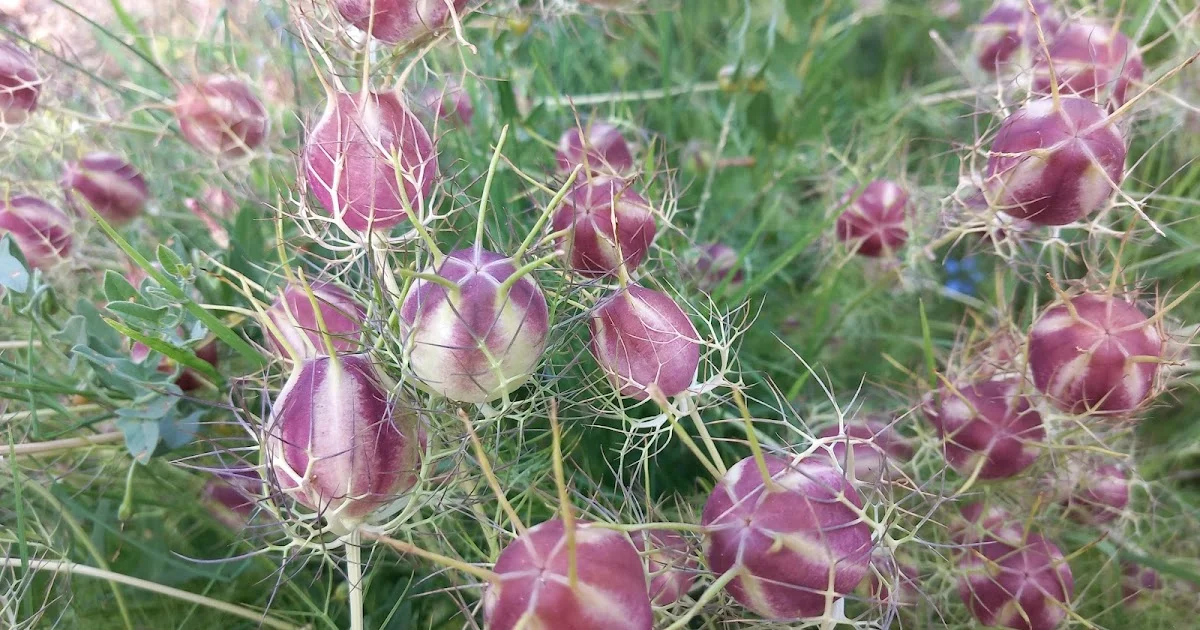
Nigella, a captivating genus belonging to the Ranunculaceae family, encompasses various species known for their striking flowers and unique characteristics. Initially, I planned to focus on a single species, but the variety within this genus has inspired a broader discussion, especially since I have photographs of different types to share.
These plants are native to regions across Europe, North Africa, and parts of Asia. In Spain, there are three notable species of Nigella. All share similar traits, featuring finely divided leaves that resemble slender threads. Some species can grow up to a meter tall with ease. Historically, these plants have been valued not only for their ornamental appeal—often seen at the entrances of homes in the Huerta Valenciana and Murciana—but also for their use in cosmetics and as spices. However, it's important to note that their seeds can be toxic to humans if consumed in large quantities.
In gardening, Nigella is particularly prized for its wildflower-like blooms, which have gained popularity among landscape designers. The flowers can be found in shades of blue, white, and pink, eventually giving way to eye-catching seed capsules filled with seeds. These capsules are often utilized in dried flower arrangements, while the fresh blooms are a favorite in floristry.
Nigella plants thrive in sunny locations and require well-drained soil, with a preference for moderate watering. While they benefit from nutrient-rich soils, they can also flourish in less fertile conditions. Interestingly, these plants do not require pruning and produce an abundance of seeds, allowing for self-propagation if the capsules are left to mature. It's crucial to ensure they receive light during germination, so they should be sown with minimal covering. Although many sources recommend planting them in their final location due to their aversion to transplanting, I have observed Nigella successfully growing and flowering after being relocated to various public and private gardens.
As previously mentioned, these plants are valued for both their flowers and fruits, adding an ethereal touch to more formal compositions. When combined with other species, they contribute to the increasingly popular natural and wild aesthetic in gardening. Additionally, Nigella attracts pollinators, making them a beneficial choice for planting at the edges of gardens.
Despite their many advantages, it is worth noting that many Nigella species are sensitive to frost, so this should be considered when planning sowing or seedling activities.
As you can see, Nigella species present numerous benefits for cultivation. Have you encountered these plants before? Are you currently growing any? I look forward to your comments.
Until next week.