Cider Gum: The Round-Leafed Eucalyptus
The Eucalyptus gunnii, or Cider Gum, is admired for its unique blue-silver foliage and exceptional cold resistance, making it a stunning addition to gardens in various climates.
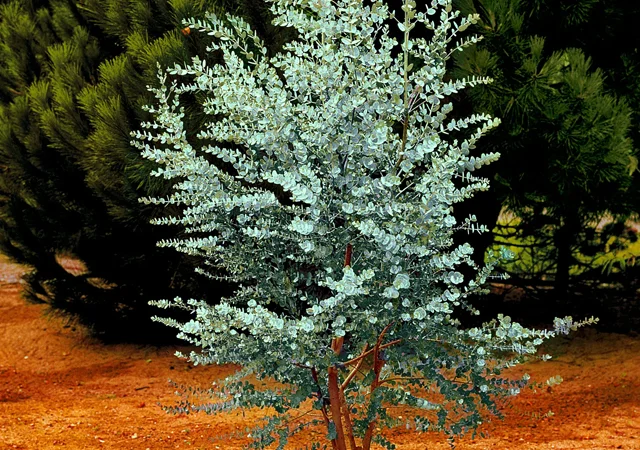
The Eucalyptus gunnii, commonly known as Cider Gum, captivates gardeners with its striking blue-silver foliage. This species, native to Tasmania, transforms any green space into an exotic oasis, thanks to its distinctive round leaves and remarkable growth.
Unlike many other eucalyptus varieties, the Cider Gum exhibits exceptional cold resistance, making it suitable for cultivation in various regions of France.
Discovering the Cider Gum: The Eucalyptus with Round Leaves
This eucalyptus variety is clearly distinguished from its Australian relatives by its unique features and remarkable adaptability to temperate climates.
Origin and Botanical Characteristics
Eucalyptus gunnii originates from the rugged landscapes of Tasmania, where it thrives in harsh climatic conditions. This geographic background accounts for its remarkable ability to withstand temperatures as low as -18°C.
Belonging to the Myrtaceae family, this tree can reach an impressive height of 15 to 25 meters at maturity. Its rapid growth is one of its significant advantages, allowing for the quick establishment of a visually striking ornamental effect in gardens.
The trunk features colorful bark that naturally peels away, revealing a spectrum of shades from gray to copper brown. This characteristic adds visual interest, particularly appreciated in winter when the bark becomes more visible.
Why the Name "Cider Gum"
The common name "Cider Gum" stems from the traditional use of the tree's sap by local Tasmanian populations. When fermented, this sap produced an alcoholic beverage reminiscent of cider, which is the origin of its unique name.
The term "Gum" refers to the natural resin produced by the tree, a common trait among many eucalyptus species. This resin has long been recognized for its antiseptic properties by indigenous populations.
Spectacular Foliage: The Main Asset of Eucalyptus gunnii
The foliage is undoubtedly the most remarkable feature of this species, providing a permanent visual spectacle with its exceptional colors and shapes.
Round, Blue-Silver Juvenile Leaves
The young shoots of Eucalyptus gunnii develop perfectly round leaves that shine with a bright blue-silver hue, immediately capturing the eye. These juvenile leaves typically measure between 3 and 5 centimeters in diameter and have a slightly waxy texture.
This unique coloration is due to the presence of natural waxes on the leaf surface, which protect the plant from intense UV rays and dehydration. The intensity of this bluish hue varies with sunlight exposure and growing conditions.
The perfectly circular shape of the juvenile leaves creates a striking contrast with the traditional foliage of other garden trees, making the Cider Gum an ornamental favorite for contemporary landscaping.
Leaf Evolution at Maturity
As the tree matures, the leaves undergo a remarkable transformation, shifting from their juvenile round shape to an elongated lanceolate form. This metamorphosis is accompanied by a color change, with the blue-silver hues transitioning to a deeper green while retaining metallic highlights.
Adult leaves can grow 8 to 12 centimeters long and develop more pronounced venation. Despite this evolution, the tree often maintains a mix of juvenile and adult foliage, creating a particularly attractive visual effect.
| Development Stage | Leaf Shape | Dominant Color | Average Size | |-------------------|------------|----------------|--------------| | Juvenile | Round | Blue-silver | 3-5 cm | | Intermediate | Oval | Blue-green | 6-8 cm | | Adult | Lanceolate | Green metallic | 8-12 cm |
Cultivating Eucalyptus gunnii in Your Garden
Successfully growing Cider Gum requires a precise understanding of its specific needs to ensure optimal development and longevity.
Ideal Planting Conditions
Planting Eucalyptus gunnii is best done in spring or early autumn, periods that allow for optimal rooting before climatic stresses. Dig a hole twice as wide as the original root ball to facilitate initial root expansion.
Maintain a planting distance of 4 to 5 meters between each tree to prevent root competition and allow for harmonious crown development. This precaution is particularly important given the species' rapid growth.
Avoid burying the plant's collar, a common mistake that severely compromises the tree's health. Position the base of the trunk level with the surrounding soil and gently firm the soil around the roots.
Soil and Exposure Needs
The round-leafed eucalyptus thrives in well-drained soil, which is essential for successful cultivation. Stagnant moisture around the roots can quickly lead to fatal rot, especially during winter months.
Full sun exposure promotes optimal leaf development and stimulates the tree's overall growth. A minimum of 6 hours of direct sunlight daily is necessary to guarantee the maximum intensity of its characteristic blue-silver hues.
Regarding soil pH, this species tolerates a wide range from slightly acidic to neutral, but avoid strongly alkaline soils that may cause nutritional deficiencies. A pH between 6.0 and 7.0 is ideal for vigorous growth.
Maintenance and Pruning of Cider Gum
Proper maintenance helps preserve the ornamental beauty of the eucalyptus while controlling its growth according to aesthetic preferences.
Pruning Techniques for a Compact Form
Regular pruning of Eucalyptus gunnii helps retain the juvenile foliage with the most spectacular colors. Prune annually or every two years, depending on the desired effect, always using well-disinfected tools.
To maintain a compact shrub-like form, cut back the main branches to 30-50 centimeters above the ground in early spring. This drastic pruning encourages the growth of numerous juvenile shoots with characteristic round leaves.
Pruning techniques vary based on the desired outcome:
- Formation pruning for a naturally shaped tree
- Annual coppicing to maintain a shrubby appearance
- Selective thinning to remove dead or poorly oriented branches
- Pinching young shoots to densify foliage
Watering and Fertilization
Watering the Cider Gum requires a measured approach, especially during the first few years after planting. Keep the soil slightly moist without creating excess water that could jeopardize root health.
In summer, a deep weekly watering is usually sufficient for established specimens. Prefer generous but spaced watering rather than frequent, shallow watering that encourages superficial rooting.
Applying mulch around the base offers multiple benefits: moisture retention, protection against temperature fluctuations, and limiting competition from weeds. Use organic mulch like wood chips or shredded bark.
Resistance and Hardiness of the Round-Leafed Eucalyptus
The remarkable climate resilience of Cider Gum is one of its major advantages for cultivation in mainland France.
Cold Tolerance Down to -18°C
Eucalyptus gunnii can endure particularly harsh winter temperatures, surviving without protection down to -18°C once well established. This exceptional hardiness sets it apart from most other eucalyptus species.
However, young plants require protection during their first two years, a period during which their root system develops. A winter cover or thick mulch around the base is generally sufficient to shield them from severe frosts.
Cold resistance also varies depending on growing conditions: a tree planted in a sheltered location with well-drained soil will better withstand low temperatures than one exposed to cold winds and planted in wet ground.
Adaptation to Various French Climates
This species adapts remarkably well to France's diverse climate, thriving in both oceanic and continental regions. Hardiness zones 7 to 9 are ideal for its cultivation in the open ground.
In Mediterranean regions, the eucalyptus particularly enjoys hot, dry summers reminiscent of its natural habitat. However, supplemental watering during prolonged dry spells promotes its optimal development.
Regions with harsh winters can also accommodate this species, provided careful attention is given to the planting location. Favor sheltered spots away from dominant winds and ensure maximum winter sunlight exposure.
Ornamental and Practical Uses of Cider Gum
The versatility of Cider Gum allows for various applications in landscaping, catering to both aesthetic and practical needs.
Landscape and Decorative Applications
When planted alone, Eucalyptus gunnii serves as a spectacular focal point in a lawn or at the center of a flower bed. Its colorful foliage and elegant silhouette naturally draw the eye and structure the landscape.
Planting in a free-form hedge provides an original alternative to traditional species, creating a vegetative screen with persistent, colorful foliage. This use is particularly suitable for contemporary gardens seeking modern visual effects.
Ornamental uses of Cider Gum include:
- Shade tree for patios and relaxation areas
- Structural element in Mediterranean-style gardens
- Specimen in botanical gardens
- Container planting for spacious terraces and balconies
- Integration into perennial beds to create volume
Aromatic and Medicinal Properties
The leaves of the round-leafed eucalyptus emit a characteristic refreshing and purifying scent that fills the surrounding atmosphere. This natural fragrance intensifies in warm weather or when the foliage is crushed.
The essential oil extracted from the leaves possesses recognized antiseptic and decongestant properties in aromatherapy. However, its therapeutic use requires special precautions and consultation with a healthcare professional.
In the garden, the presence of this eucalyptus contributes to a zen and calming atmosphere, particularly appreciated in relaxation and meditation spaces. Its natural scent also repels certain unwanted insects.
Potential Problems and Solutions for a Healthy Eucalyptus gunnii
Although generally robust, Cider Gum can sometimes face challenges that attentive monitoring can help prevent or address effectively.
Common Diseases and Pests
Eucalyptus gunnii has remarkable natural resistance to diseases and pests. However, keep an eye out for aphids or scale insects that may occasionally infest young shoots.
Treat these infestations with natural solutions like diluted black soap. Fungal diseases are rare but can occur under certain conditions, necessitating vigilance and timely intervention.