Essential Backup Heating Solutions for Your Garden During Winter
Explore the importance of backup heating solutions for your garden during winter, including types and safety considerations to protect your plants and animals.
Imagine stepping out into your garden on a frigid winter morning, only to realize that your home heating system has failed. In such moments, the importance of a backup heating solution becomes glaringly evident. As an avid gardening enthusiast, I want to shed light on this often-overlooked topic, ensuring you understand its significance and can apply it to your own garden or garden shed.
Understanding Backup Heating Solutions
In simple terms, a backup heating solution is a temporary heating option that activates when your primary heating system is down. These solutions can be mobile heating devices or systems that provide warmth to individual rooms or even entire buildings.
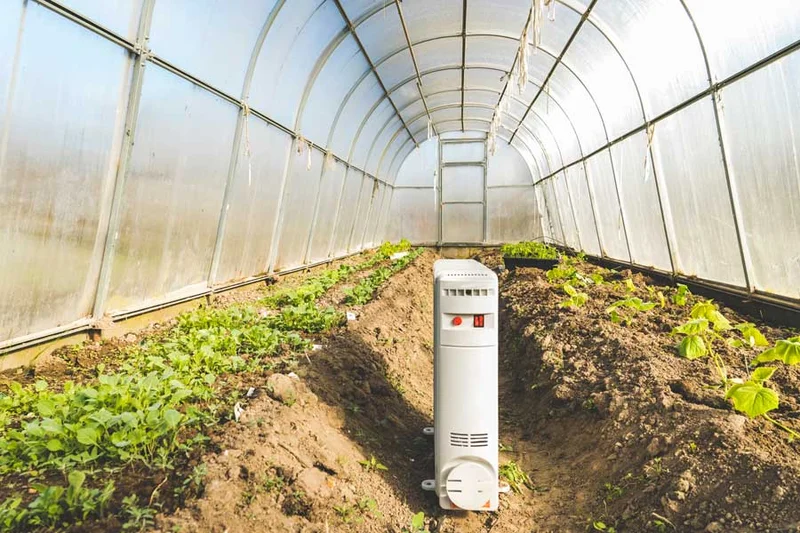
While it may seem like something only necessary indoors, the relevance of backup heating in gardening is surprising. Consider your garden shed, greenhouse, or even your chicken coop—each of these spaces can face critical conditions during frost.
The Importance of Backup Heating in the Garden
For those who spend considerable time in their gardens, the gardening season does not end with autumn. Many of us utilize our gardens year-round, whether for growing plants, caring for animals, or simply enjoying a peaceful retreat.
This is where backup heating becomes essential. Imagine your greenhouse freezing due to sub-zero temperatures, or your garden shed, where you store tools or work, becoming unbearably cold. Without a reliable backup solution, the consequences can be costly or even hazardous.
A practical example is in animal shelters, where the natural warmth from animals may suffice, but during severe frost, additional heat sources are necessary to keep the environment and water supply from freezing.
Thus, a backup heating solution is not merely a luxury; it’s often a vital precaution.
Types of Backup Heating Solutions for the Garden
Now, let’s explore the various types of backup heating solutions available, each with its unique advantages.
Electric Backup Heaters – Quick but Dependent on Power
Electric heaters, such as fan heaters or infrared heaters, are among the most common options. They are incredibly user-friendly: plug them in, and they warm up in minutes. Infrared heaters, in particular, provide almost instant warmth without a lengthy heating period.
However, there’s a significant drawback—they require electricity. If the power goes out, you’ll find yourself back in the cold.
Gas and Kerosene Heaters – Independent and Versatile
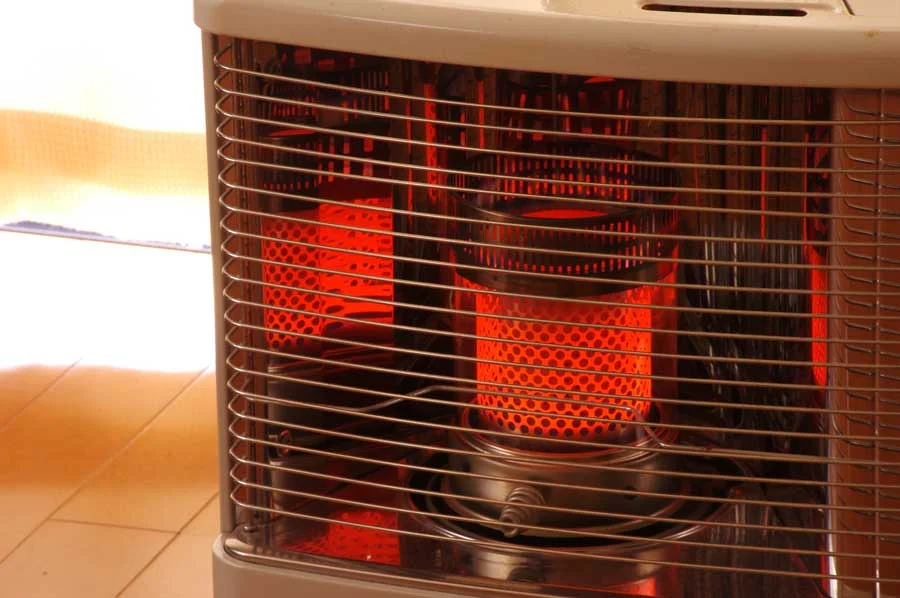
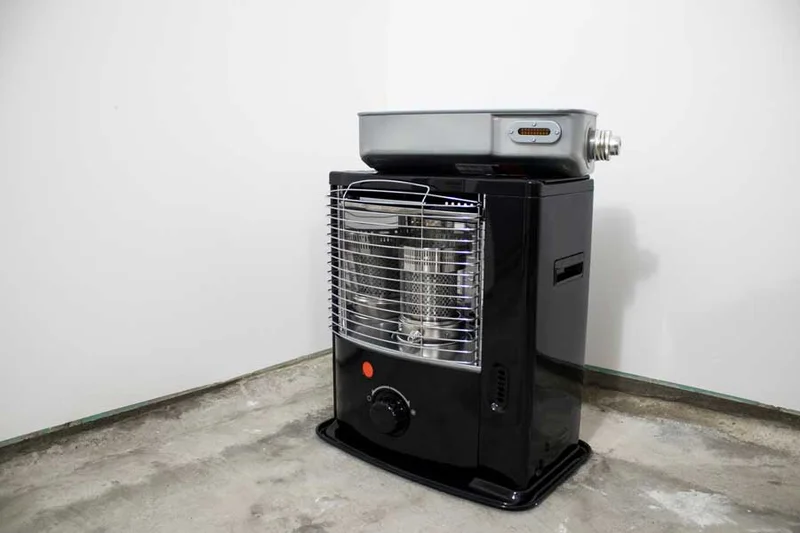
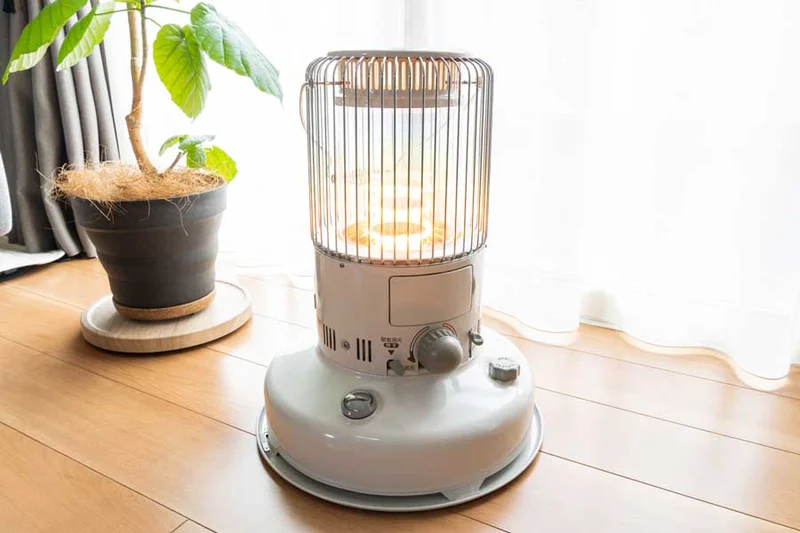
This is where things get interesting for gardening. Mobile heaters powered by gas or kerosene operate entirely independently of electricity.
For instance, portable kerosene heaters can deliver several kilowatts of heat, making them perfect for garden sheds, patios, or even garages. This independence makes them highly versatile, especially for those looking to remain self-sufficient.
Wood Stoves – Rustic Yet Effective
For those who appreciate a cozy atmosphere (and who doesn’t?), wood stoves are an excellent choice. While they require a chimney or a safe venting system, they provide reliable warmth without the need for electricity or gas. A wood stove can create a genuine cabin-like feel in your garden shed.
Choosing the Right Backup Heater for Your Garden
The pressing question is: which solution suits your needs best?
There’s no definitive answer; it largely depends on how you use your garden. If you only need occasional warmth, a small electric heater may suffice. For regular winter use of your garden shed, investing in a gas or kerosene heater is wise. And for those who value comfort, a wood stove is hard to beat.
I believe your backup heating solution should adapt to your gardening lifestyle, not the other way around.
Common Applications for Backup Heating in the Garden
You might be wondering, "Is this really necessary?"
Here are some typical scenarios where a backup heating solution proves invaluable:
- Protecting greenhouses from frost
- Using garden sheds in winter
- Keeping animals warm (e.g., chicken coops)
- Preventing water pipes from freezing
- Temporarily heating patios or workshops
Especially when it comes to plants, a single night of frost can ruin months of hard work. A small backup heater can make all the difference.
Key Considerations When Choosing a Backup Heater
Now, let’s discuss the most crucial aspect—safety, which must be taken seriously.
Safety First
Many backup heating solutions utilize open flames or produce exhaust gases. This means:
- Always ensure proper ventilation
- Never operate in enclosed spaces without airflow
- Ensure stable placement
While this may seem straightforward, it is vital.
Power and Size
A small heater won’t suffice if your space is too large. Typical portable devices usually range from about 1 to 5 kW, making them suitable for individual rooms.
Consider beforehand how much area you really want to heat.
Independence
If you want peace of mind, opt for a solution that doesn’t rely on electricity. This proves invaluable during power outages.
A Personal Tip from a Gardening Blogger
Honestly, I view a backup heater as akin to an insurance policy. You hope you never need it, but when the time comes, you’ll be incredibly grateful to have it.
I always keep a small mobile heater in my garden—not because I use it constantly, but because I know that moment will arrive when I need it. As energy reliability becomes less certain, this topic grows increasingly significant.
Conclusion: A Small Investment for a Big Difference
A backup heating solution in the garden is not a luxury but a smart precaution that can save you from considerable hassle in emergencies.
Whether for plants, animals, or your own comfort, the right choice ensures you stay relaxed even in winter.
And let’s be honest: there’s hardly anything better than standing outside on a cold day, enjoying the fresh air, and not feeling the chill, right?