Enhancing Your Soil in Autumn: A Comprehensive Guide for a Fertile Garden
Learn how to enrich your soil in autumn for a healthier garden. Discover the importance of compost, manure, and green manures in building soil fertility.
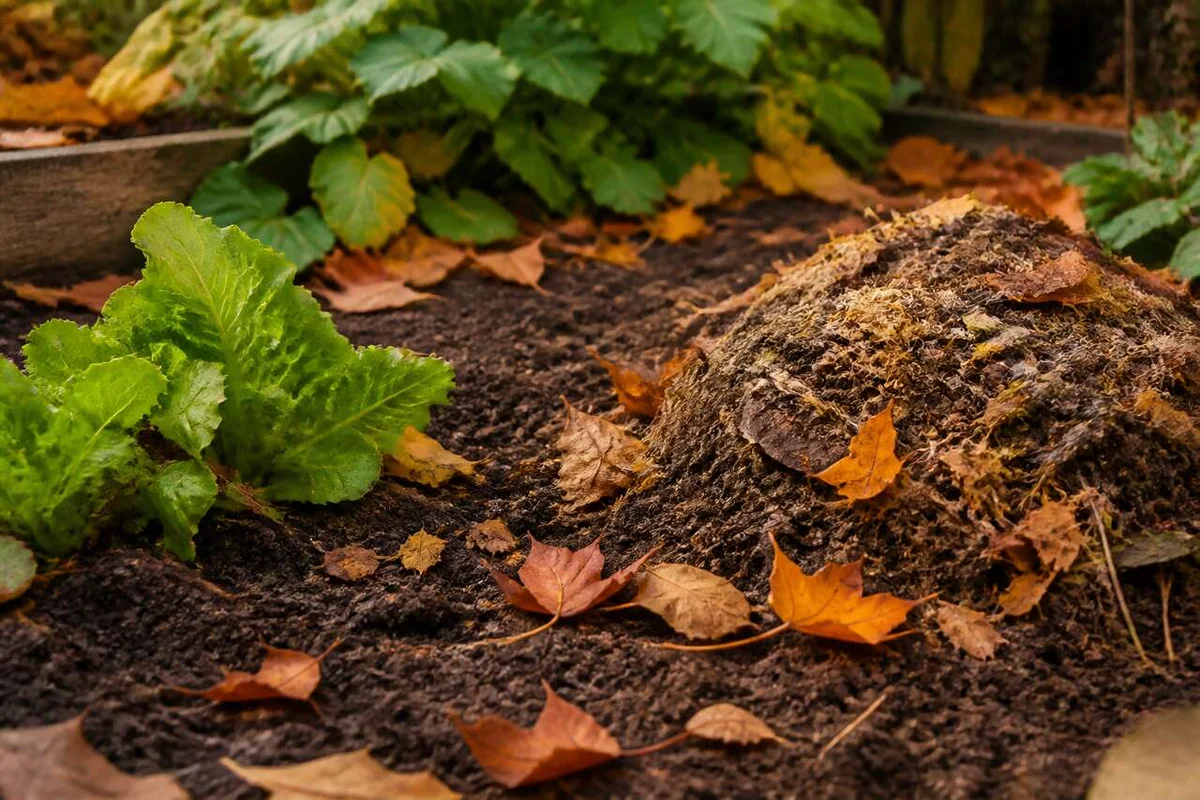
A well-nourished soil in October can yield benefits for up to six months. During this time, rainwater gradually penetrates organic materials, while microorganisms take advantage of the still mild temperatures to break down and transform them. By spring, the roots of subsequent crops will find a well-structured environment. To effectively improve your soil, three complementary inputs are essential: compost and manure for building humus, carbon-rich materials like wood chips and fallen leaves for surface protection, and green manures to capture nitrogen and loosen the soil. However, it’s crucial to consider the order, quantity, and specific soil diagnosis, as a compact clay soil requires different treatment than a sandy soil that drains quickly.
Key Takeaways
- Autumn combines residual warmth in the soil with regular rains, creating ideal conditions for organic matter decomposition.
- Mature compost and well-composted manure nourish the humus, at a rate of 2 to 4 kg per m² depending on soil texture.
- Fallen leaves, wood chips, and mulches protect soil structure but require careful monitoring of the carbon-nitrogen balance.
- Green manures sown before the end of October trap nitrogen and prevent winter leaching.
- Clay soils tolerate few fresh amendments, while sandy soils greatly benefit from them.
Why Autumn Soil Enrichment Matters
Soil does not warm up or cool down as quickly as air. In October and November, as nighttime temperatures drop, the soil retains warmth accumulated during the summer. This thermal inertia supports ongoing biological activity, with microorganisms and earthworms continuing to work, mixing organic matter and gradually transforming it into stable humus. This period, between the end of harvests and the first serious frosts, makes autumn particularly advantageous for enriching soil.
Autumn rains also play a crucial role in this process. They deeply moisten organic inputs, speeding up their integration and preventing drying that could halt decomposition. However, this moisture has a downside: without cover or organic material to retain it, it can lead to nutrient leaching, particularly nitrogen in the form of nitrates, which can wash into groundwater. Therefore, enriching the soil in autumn is not just about adding materials; it’s also about stabilizing them to prevent loss during winter rains.
Enrichment involves multiple strategies: improving soil structure to keep it loose and aerated, increasing the humus content that retains water and nutrients, and supporting microbial life that makes these nutrients available to plants. A nutrient-rich soil in autumn means there will be less need for chemical corrections in spring. The key is to select the right materials based on a thorough diagnosis of the soil, starting with the foundation of any sustainable fertility: mature compost and composted manure.
Mature Compost and Composted Manure: The Foundation for Building Humus
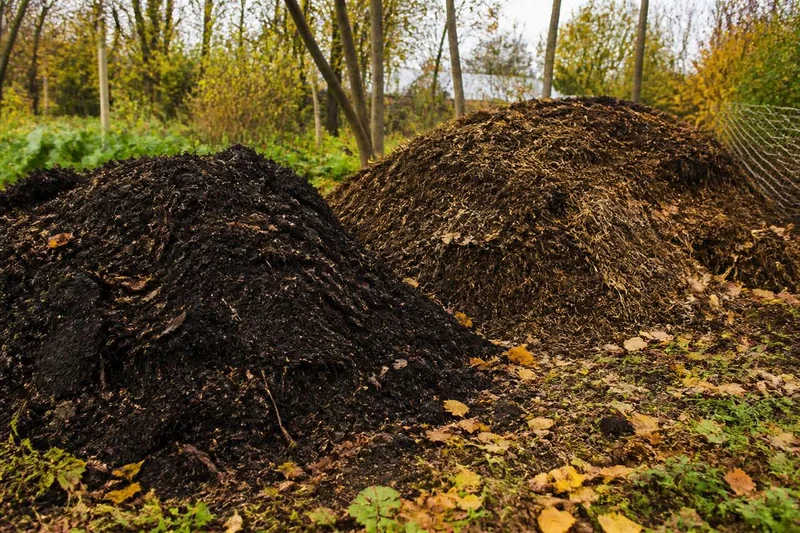
Identifying Ready-to-Use Compost
Immature compost can do more harm than good, as it consumes soil nitrogen during its final decomposition and may burn plant roots. Mature compost is identifiable by its uniform dark brown color, earthy smell, and crumbly texture, with no visible original waste. The same principle applies to manure: only manure that has been composted for several months, never fresh, should be spread in autumn. Fresh manure, too high in ammoniacal nitrogen, risks upsetting soil balance and promoting the aforementioned leaching.
Application Quantities and Methods
Application rates vary based on soil texture and intended use:
- Clay soil: 2 to 3 kg of mature compost per m², as this type of soil already retains nutrients well, and excess can lead to compaction.
- Sandy soil: 3 to 4 kg per m², as this well-draining soil requires a more generous input to retain water and nutrients.
- Previously cultivated garden beds: surface application without deep incorporation to preserve microbial life in the upper layers.
- Orchard areas or flower beds: light incorporation into the top few centimeters using a simple rake.
Surface application, rather than deep burying, respects the natural functioning of the soil: earthworms and rain will naturally incorporate organic matter into deeper layers. Over-burying disrupts biological strata and paradoxically slows humus formation.
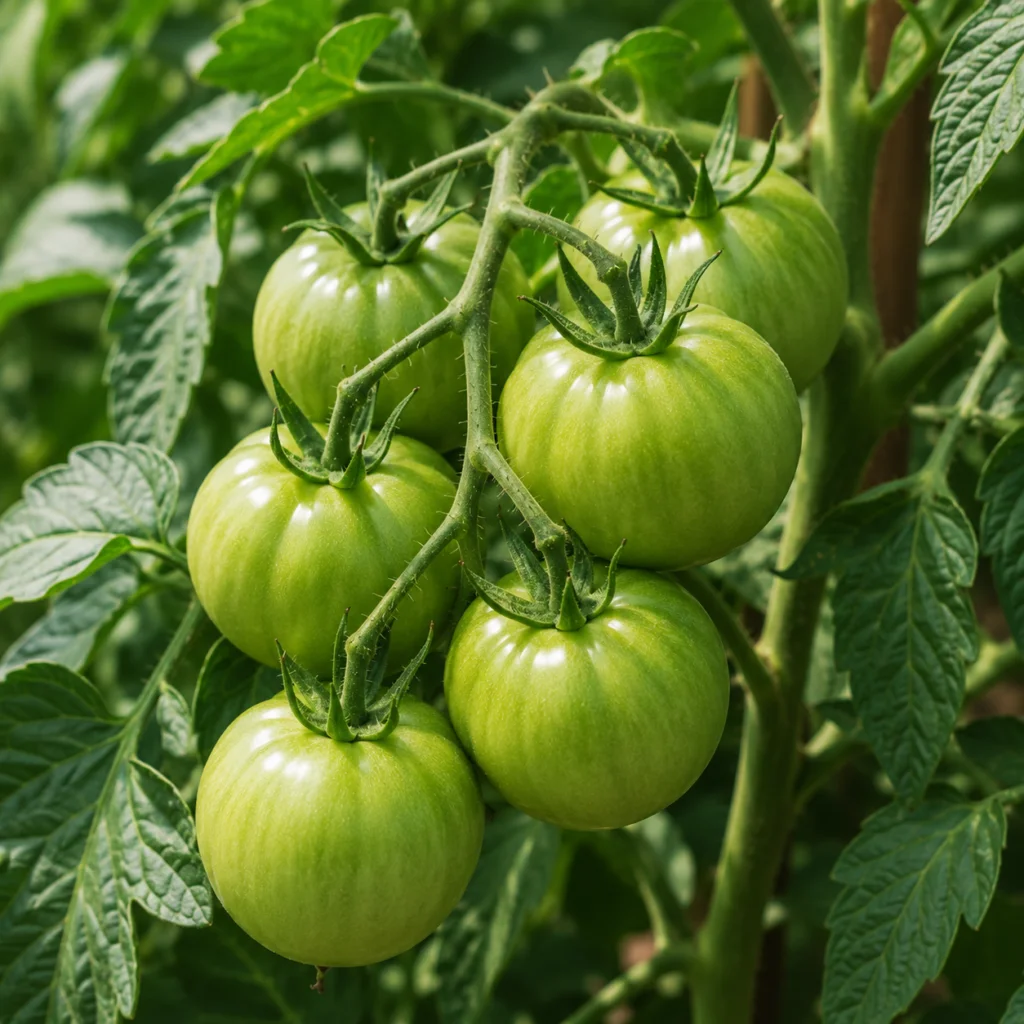
The composted manure should ideally be spread in a layer of 3 to 5 cm over areas designated for nutrient-hungry crops like tomatoes or squash for the following year. In already nutrient-rich soils, it’s advisable to reduce application amounts, as excess does not provide additional benefits and can upset pH balance.