Effective Use of Black Soap Against Aphids: 2025 Guidelines
Explore the effective use of black soap as a revolutionary contact insecticide against aphids, its application techniques, dosages, and expert insights.
Black Soap: A Revolutionary Contact Insecticide
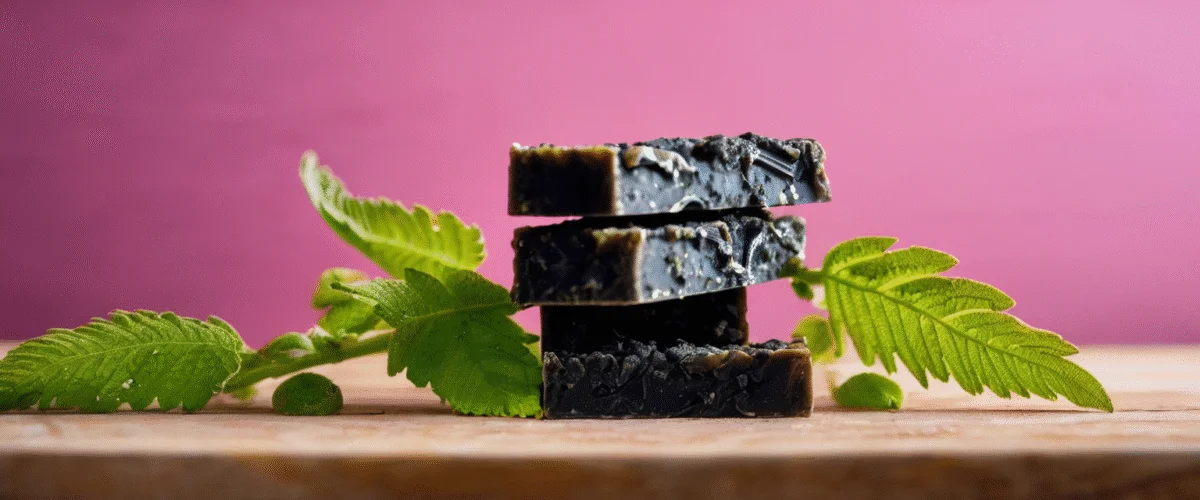
Black soap serves as an exceptionally effective contact insecticide, suffocating adult aphids, destroying larvae, and eliminating eggs. Its formulation, based on saponified vegetable oils, primarily from olive and flax, creates a film that blocks the respiratory pathways of insects while cleaning the sticky honeydew that coats leaves.
This traditional solution, developed in Marseille soap factories since the 17th century, is particularly formidable against aphids due to its high potash content. The free fatty acids in black soap penetrate the chitinous cuticle of aphids, leading to a rapid paralysis of their respiratory system. Unlike chemical insecticides that work through ingestion, black soap provides immediate action upon direct contact, effectively eliminating adults, larvae, and eggs in a single application.
Why Aphids Fear Black Soap
Aphids possess a unique respiratory system based on stigmas and tracheae, making them vulnerable to black soap. These insects from the Aphididae family, measuring between 1 to 4 millimeters, breathe through passive diffusion across their porous cuticle. Black soap forms a lipid film that obstructs these respiratory openings, causing asphyxiation in under 30 minutes.
Research conducted by INRA Montpellier shows a 95% mortality rate among aphids exposed to a 5% black soap solution. This effectiveness is particularly noted against the green peach aphid (Myzus persicae), the black bean aphid (Aphis fabae), and the woolly apple aphid (Dysaphis plantaginea). Researchers at the Jardin des Plantes in Paris, led by Professor Antoine Lévêque, confirm that this method does not lead to resistance, unlike synthetic insecticides used since the 1960s.
Precise Dosages: Science at the Service of Efficiency
The success of the treatment relies entirely on adhering to precise dosages tailored to each situation. For liquid black soap, the standard dilution is 5 tablespoons in 1 liter of warm water (5% dilution), while soft black soap requires 2.5 teaspoons in 200 ml of hot water, followed by 800 ml of cold water.
Recommendations vary based on the severity of the infestation. For sensitive plants like young shoots of Pierre de Ronsard roses or Phalaenopsis orchids, a lower dilution of 0.5 to 1% (1 tablespoon per liter) is suggested. Garden vegetables such as San Marzano tomatoes, Nice zucchinis, or Mangetout green beans can tolerate the standard dilution of 2 to 5%. For severe infestations on fruit trees like Golden Delicious apples or Montreuil peaches, a stronger dilution of up to 10% may be necessary.
Professional Application Techniques
Applying black soap requires a rigorous technique to ensure maximum effectiveness. Spraying should be done on both the top and underside of leaves, at temperatures below 20°C, with a necessary renewal 1 to 2 times if needed. The optimal timing is early in the morning between 6 AM and 9 AM or late in the day after 6 PM, when aphid activity is reduced.
Using a pressure sprayer like the Matabi Super Green 16 ensures an even distribution of the solution. For larger trees, the brushing technique with a wide brush is more effective on the trunks of ancient olive trees or urban linden trees. The Paris Green Spaces Services apply this preventive method every spring on the 83,000 trees in the capital, achieving promising results since 2018.
- Fine spraying: Use a misting jet to cover the foliage evenly.
- Protection of beneficials: Avoid application during bee foraging hours (10 AM - 4 PM).
- Weather conditions: Avoid application during strong winds or before anticipated rain.
- Optimal drying: Allow at least 2 hours to dry before watering.
Special Case: Treatment of Woolly Aphids
The woolly aphid (Eriosoma lanigerum), particularly resistant, requires a specialized treatment. This species, identifiable by its characteristic cottony appearance and its preferred location on apple and poplar branches, resists standard sprays due to its protective waxy secretion.
The professional recipe for combating this tough pest involves diluting 10 cl or 150 g of black soap in 1.5 liters of alcohol and 10 liters of water. This enhanced formulation, used by Normandy arborists specializing in cider production, dissolves the waxy protection of woolly aphids. The Dupont Orchards of Cambremer, producers of Calvados AOC, report a success rate of 87% with this method on their 2000 century-old apple trees.
Adjusting Dosage Based on Plant Types
Each plant species exhibits different sensitivities to black soap, necessitating precise dosage adjustments. Sensitive plants like Cattleya orchids, Adiantum ferns, and young Genovese basil seedlings can only tolerate a dilution of 0.5 to 1%. Standard plants such as zonal geraniums, begonias semperflorens, and scented pelargoniums can comfortably handle 2 to 3% concentrations.
Robust plants like oleander (Nerium oleander), Picholine olives, and Meyer citrus can withstand concentrations reaching 5%. For garden vegetables, Beefsteak tomatoes require careful attention with a maximum dilution of 3%, while Romanesco zucchinis and Contender green beans can accept higher dosages. Mediterranean herbs like Provence thyme and common rosemary show excellent tolerance up to 4% concentration.
Optimization and Enhancement of Treatment
To maximize the effectiveness of black soap, certain optimization techniques developed by expert gardeners prove particularly effective. Using rainwater, which has a natural pH of 5.6, promotes better soap dissolution and enhances cuticular penetration. Adding a drop of peppermint essential oil (Mentha piperita) strengthens repellent action, a technique employed by the Gardens of Giverny since 2019.
Mixing with a decoction of Lautrec garlic (100g in 1 liter of boiling water, infused for 24 hours) enhances the action against persistent black aphid infestations (Aphis gossypii). This synergy, validated by the Technical Institute of Organic Agriculture of Beauvais, increases the mortality rate by an additional 15%. The importance of water pH remains crucial: a pH between 6.5 and 7.5 optimizes the stability of the soapy emulsion. Ideal weather conditions correspond to temperatures of 15 to 18°C with humidity levels above 60%.
Precautions and Mistakes to Avoid
Despite its ecological nature, black soap can cause significant damage if misused. Overdosing is the most common mistake, leading to leaf burn characterized by brown spots on the leaves. Application in full sunlight creates a dramatic magnifying effect, particularly destructive on the fuzzy foliage of silver sages or sea lavenders.
Treating plants already stressed by drought is an absolute contraindication. Signs of phytotoxicity may appear within 24 to 48 hours post-application: marginal yellowing of leaves, widespread wilting, and premature leaf drop. In cases of overdose, immediate rinsing with clear water followed by a spray of bicarbonated water (5g per liter) neutralizes the effects. Marie Dubois, head of the Gardens of the Château de Villandry, reports saving her century-old boxwoods using this emergency method after an accidental overdose of 12% in July 2023.
Comparison with Natural Alternatives
The market for natural insecticides offers various alternatives to black soap, each with its specific action characteristics. Neem oil, extracted from the seeds of Azadirachta indica, provides prolonged efficacy for up to 72 hours due to azadirachtin, compared to the immediate but limited action of black soap lasting only 6 hours. Nettle purée, prepared traditionally (1 kg of fresh nettles in 10 liters of water, fermented for 15 days), primarily acts as a preventive measure at a cost of €0.50 per liter.
Introducing biological auxiliaries like two-spotted ladybugs (Adalia bipunctata) represents an investment of €45 for 500 larvae covering 100m², compared to the €3 for a bottle of Marius Fabre black soap sufficient for 20 liters of solution. Green lacewings (Chrysoperla carnea), sold by Biotop at €32 for 2000 eggs, consume up to 500 aphids per larva but require optimal climatic conditions. This comparative analysis, conducted by the National Institute of Agronomic Research of Versailles over 3 years, confirms the versatility and immediate effectiveness of black soap.
Application Calendar and Seasonal Strategy
The effectiveness of black soap treatment is optimized through a reasoned seasonal approach, adapted to the biological cycles of aphids. Preventive treatment occurs in March during the bud break, a period when founder aphids emerge from winter dormancy. Monitoring intensifies in May-June during peak reproduction, when a single female can give birth to 50 descendants in a week.
Curative interventions focus on July-August during the second generations, particularly virulent against remontant roses and summer vegetables. The cleaning treatment in October, before wintering, eliminates winter eggs deposited on the bark of fruit trees. Data from Météo-France indicate that temperatures between 15 and 25°C favor aphid activity, necessitating heightened vigilance. Humidity above 70% improves the effectiveness of black soap by 23%, according to measurements taken by the Avignon Research Station.
Expert Testimonials and Feedback
Alain Baraton, head gardener at the Versailles Estate since 1982, confirms the utility of black soap in managing aphid populations effectively. His experiences highlight the importance of precise application techniques and the necessity of adapting dosages based on plant types and environmental conditions.