Echibeckia: Cultivating and Caring for the Long-Flowering Hybrid Echinacea x Rudbeckia
Discover how to cultivate and care for Echibeckia, the hybrid Echinacea x Rudbeckia, known for its long flowering period and vibrant colors.
Echibeckia: Cultivating and Caring for the Long-Flowering Hybrid Echinacea x Rudbeckia
August 10, 2026
Echibeckia represents a unique perennial that combines the hardiness of Echinacea with the vibrant blooms of Rudbeckia, making it an excellent choice for gardeners seeking longevity and warm colors. This hybrid showcases a generous flowering period from June to September, and its remarkable resilience allows it to thrive in various climates. This article will explore the horticultural benefits of this Echinacea x Rudbeckia hybrid, its cultivation requirements, and practical tips for effectively incorporating it into your landscape designs.
What is Echibeckia and Why Should You Adopt It?
Echibeckia is the result of an intergeneric cross between Echinacea purpurea and Rudbeckia hirta. This combination yields a plant that is easy to care for in the garden, exhibiting both vigor and abundant flowering.
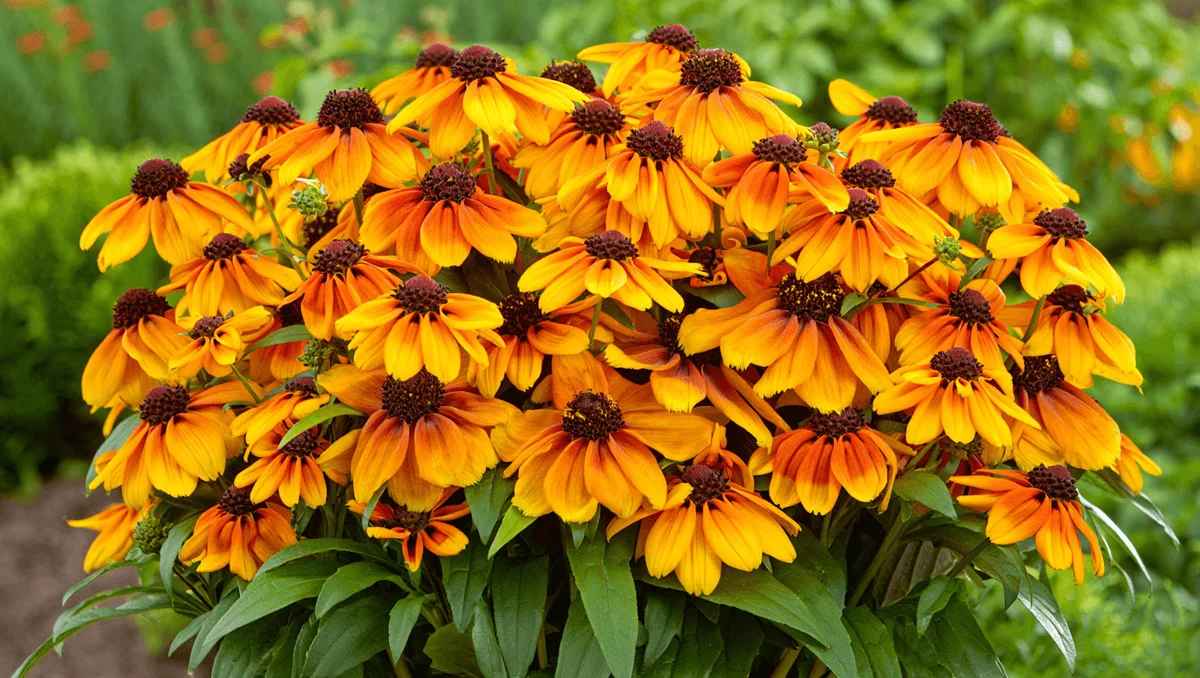
The plant forms a more compact clump compared to its parent species, featuring upright stems and medium green leaves that can be slightly fuzzy. Its flower heads, approximately 7 cm in diameter, display a dark center with ray florets in shades of orange, rust, copper, or brown, depending on the cultivar.
With its rapid growth and longevity, Echibeckia is an excellent choice for those looking to establish a durable perennial. Its hardiness often extends down to -20 °C, ensuring adaptability to a wide range of climates and a long lifespan in garden beds.
What Soil and Exposure are Best for Echibeckia?
Echibeckia thrives in full sun or light partial shade, which helps maintain the vibrancy of its floral colors. The key factor is drainage, as heavy, waterlogged soils are unsuitable for this plant.
An ordinary, light substrate enriched with organic matter encourages successful establishment. Once settled, the plant tolerates heat and occasional drought, making it a suitable candidate for low-water gardens.
In very poor soil, adding compost at planting time can boost vigor. However, be cautious not to over-amend already rich soils to avoid overly lush growth that may compromise flowering.
How to Plant and Propagate Echibeckia?
If you wish to preserve the characteristics of the hybrid, sowing seeds is not recommended, as it may produce variations from the parent plant.
The most reliable propagation method is dividing large clumps, which can be done in spring or autumn. Herbaceous cuttings can also be successful if you take vigorous young shoots.
- Ideal planting time: early spring, March-April.
- Recommended density: about 5 plants per square meter.
- Division technique: separate sections of roots with buds and replant immediately.
What Care is Necessary and What Issues Should Be Monitored?
Caring for Echibeckia is straightforward. Regular watering during the first year helps the plant establish itself, allowing it to withstand occasional droughts later on. Deadheading spent flowers encourages prolonged blooming.
A light pruning at the end of the flowering season helps maintain a tidy appearance. Cleaning up in late winter removes dead stems and prepares the plant for new growth.
Echibeckia is quite resistant to diseases, but vigilance is necessary in spring against slugs and snails that may target young shoots. Regular observation allows for timely intervention without resorting to treatments.
Where to Place Echibeckia and What Companion Plants to Favor?
This perennial fits naturally in borders, as part of a perennial bed, in rock gardens, or even in large pots on balconies. Planting multiple specimens creates a striking mass effect that attracts pollinators and butterflies.
Echibeckia pairs well with plants that have contrasting growth habits and textured foliage, such as salvia, achillea, or ornamental grasses. These combinations enhance the structure of the bed and extend visual interest before and after flowering.
Which Varieties to Choose for a Warm Color Palette?
The available collection is limited yet intriguing, offering options for creating warm and dynamic color schemes. The Summerina cultivars provide shades ranging from bright orange to deep brown.
| Variant | Dominant Color | Approximate Height | |-----------------------|--------------------------------------|---------------------| | Summerina Orange | Orange with rust tones | 40–60 cm | | Summerina Yellow | Golden yellow speckled with orange | 40–60 cm | | Summerina Brown | Copper brown | 40–60 cm | | Summerina Pumpernickel| Burgundy red shifting to orange | 40–60 cm |