Cultivating and Utilizing Monarda (Monarda didyma): Edible and Pollinator-Friendly Flowers
Explore how to cultivate and utilize Monarda didyma, a vibrant and resilient perennial known for its edible flowers and benefits for pollinators. Learn about soil, planting, maintenance, harvesting, and culinary uses.
Cultivating and Utilizing Monarda (Monarda didyma): Edible and Pollinator-Friendly Flowers
August 2, 2026
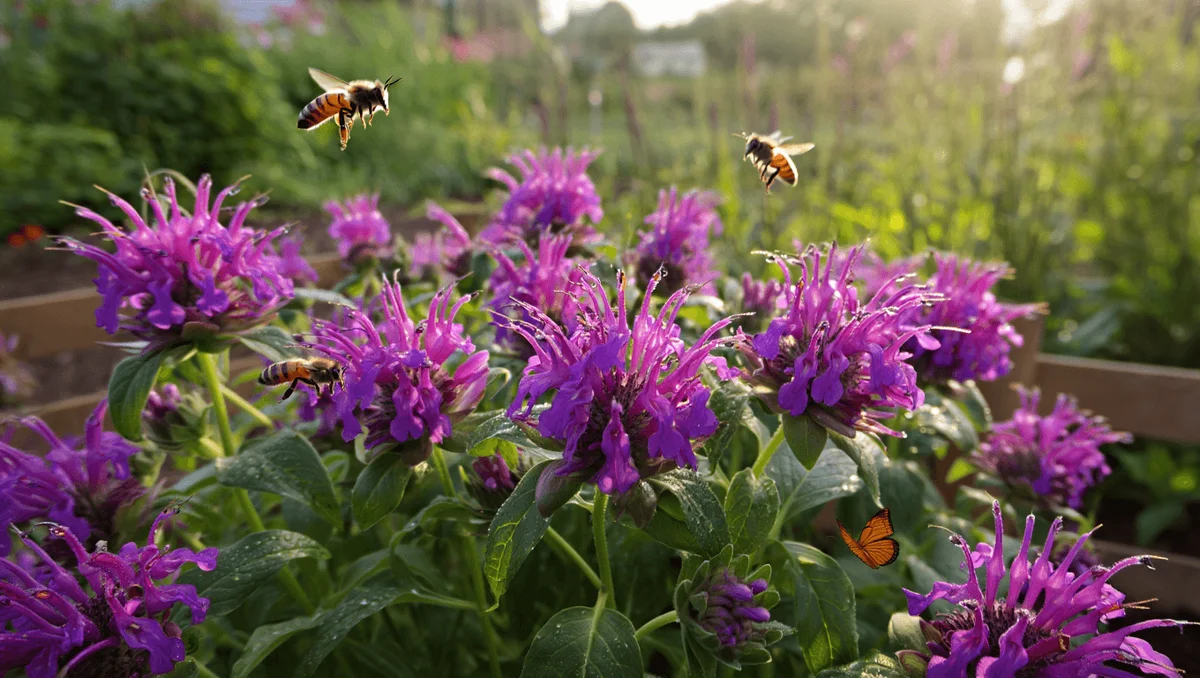
Monarda, particularly the vibrant purple variety, is becoming a staple in gardens due to its bushy form, bergamot-mint fragrance, and eye-catching blooms that attract pollinators. This perennial plant, scientifically known as Monarda didyma, is resilient in harsh winters and adapts well to both garden beds and containers. Below, we provide practical advice on its cultivation, harvesting, and culinary or medicinal uses, along with essential tips for successful sowing and division. The focus will be on maintenance, varieties, and disease prevention to help Monarda thrive in your green space.
What Soil and Exposure Does Purple Monarda Prefer?
Monarda thrives in bright locations but can tolerate partial shade, especially during extremely hot summers. It flourishes in cool, humus-rich, well-drained soil, which promotes dense foliage and generous flowering. However, it is sensitive to waterlogged conditions in winter, which can lead to root rot.
A neutral to slightly acidic pH is ideal for Monarda didyma and its varieties. Adding compost at planting time enhances soil structure and moisture retention without encouraging rot. For container gardening, using high-quality potting soil with good drainage is essential.
When to Sow, Divide, and Plant Monarda?
Spring sowing under cold frames yields variable results and is mainly suitable for botanical species. Many gardeners prefer division or cuttings for cultivars to maintain their specific traits, as germination can be slow and uneven, making vegetative methods more appealing.
Dividing clumps in spring helps rejuvenate plants and control their spread. Herbaceous or semi-woody cuttings do well with consistent moisture. Final planting in the ground typically occurs in April, spacing the plants at about 3 per square meter.
Here are some practical tips for planting:
- Position plants in a well-ventilated area to reduce the risk of fungal diseases.
- Enhance the soil with mature compost for a steady nutrient supply.
- Water thoroughly after planting to establish the roots.
How to Maintain Monarda for Lasting Blooms?
Organic mulching helps retain soil moisture during summer and reduces watering needs while gradually enriching the soil. Regular watering is crucial during dry spells, particularly for young plants exposed to full sun. Monitoring for signs of water stress allows for timely intervention.
Deadheading spent flowers encourages new blooms and extends the visual appeal of the garden bed. In autumn, cutting back the clump helps tidy the bed and minimizes potential winter problems. Dividing every three to four years keeps the plant compact and flowering abundantly.
How to Harvest, Preserve, and Use Monarda in Cooking and Remedies?
Harvesting is best done in the morning after the dew has evaporated, as this is when essential oils are at their peak. Fresh leaves and flowers lend themselves to various preparations and retain their aromas well after drying. Drying should be done in a shaded, ventilated space to maintain aromatic quality.
Harvesting and Preservation
Cut flower stems when the buds are well-formed but before they fully open for optimal fragrance. The simplest and most effective drying method is to hang bouquets upside down. Once dried, leaves and flowers can be stored in airtight jars, away from light.
Culinary Uses and Benefits
Aromatic leaves enhance teas, syrups, salads, and sauces, effectively substituting bergamot in infusions. Medicinal preparations using Monarda can aid in alleviating digestive issues and certain respiratory conditions. Essential oils and homemade inhalations can provide relief during colds, but caution is advised for therapeutic use.
What Pests and Diseases Should Be Monitored?
The primary threat to Monarda is winter moisture, which can lead to root rot. Slugs often target young shoots and tender leaves, particularly in spring and after prolonged rainfall. Ensuring good air circulation and well-drained soil can mitigate these risks.
Simple precautions can limit common issues: maintain clean mulch, space plants properly, and remove dead leaves. Using localized watering helps prevent excessive moisture around the plant's base. In cases of persistent infestations, manual monitoring and removal are often sufficient.
Which Monarda Varieties to Choose for the Garden?
The Monarda genus includes around fifteen species and numerous hybrids, offering a wide range of colors and sizes. Some varieties showcase white, pink, scarlet, or purple flowers, while others exhibit better drought tolerance. Your choice will depend on the available space and the desired aesthetic in your garden.
The table below summarizes a few recommended cultivars and their characteristics to assist you in selecting the best option.
| Variety | Color | Height | Advantage | |----------------------------------|----------------|-------------|---------------------------------------------| | Monarda didyma ‘Alba’ | White | 80-100 cm | Clean flowers and delicate fragrance | | Monarda didyma ‘Apache’ | Raspberry Red | 90-110 cm | Bright and sustained flowering | | Monarda ‘Panorama’ | Deep Red | 100-120 cm | Ideal for colorful beds | | Monarda fistulosa | Lilac to Pale Pink | 100-130 cm | Drought tolerant | | Monarda citriodora ‘Bergamo’ | Pale Pink | 60-80 cm | Used as an annual for infusions |
For an aromatic border or vegetable garden, opt for compact varieties in pots. Vigorous specimens integrate well into mixed borders or as a backdrop for flower beds. Container planting allows for better control of growth and regular rotation of clumps.