The Monthly Plant: Mandrake
Explore the fascinating mandrake plant, known for its magical lore and historical presence in medieval gardens. Learn about its characteristics, planting tips, and maintenance.
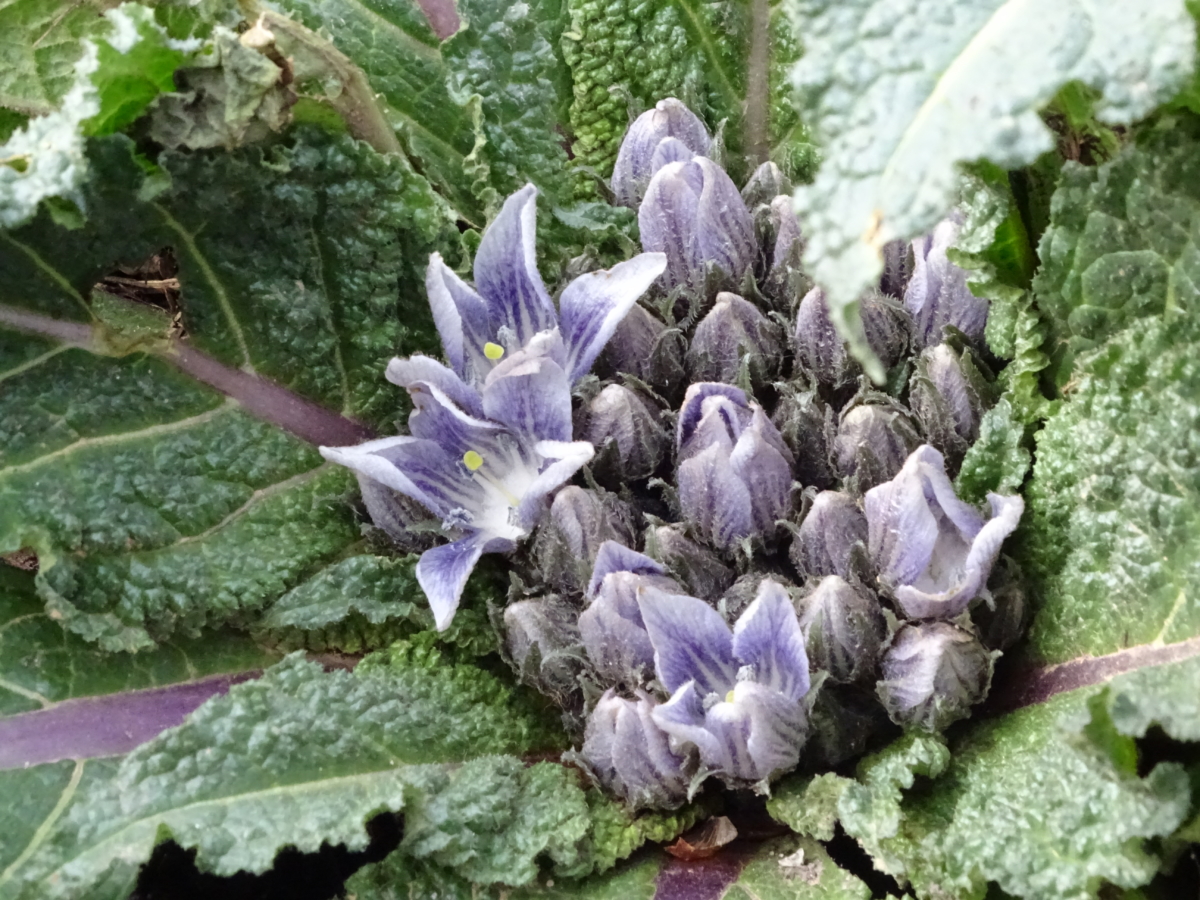
The mandrake, a renowned "magical" plant, boasts a rich history and was commonly found in medieval gardens. It has been referenced in numerous tales, attributed with various legendary powers. Let's take a closer look at this plant that transcends mere myth.
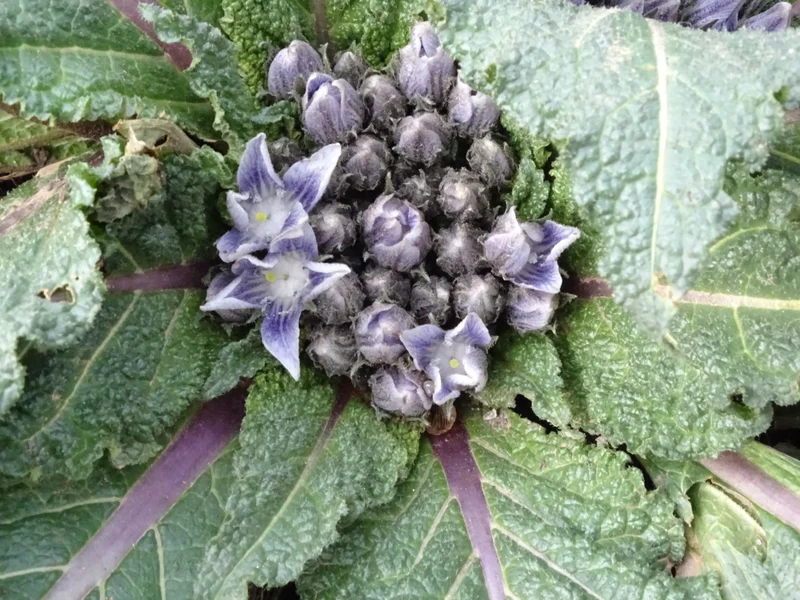
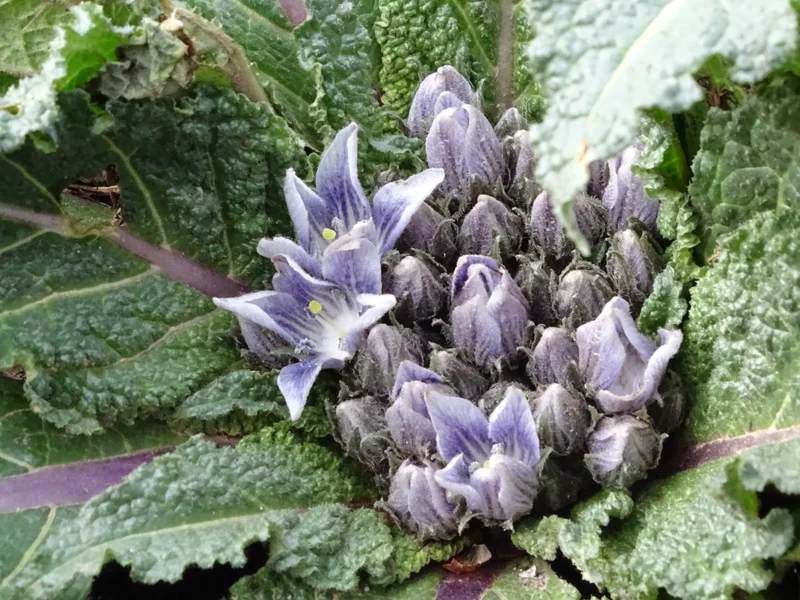
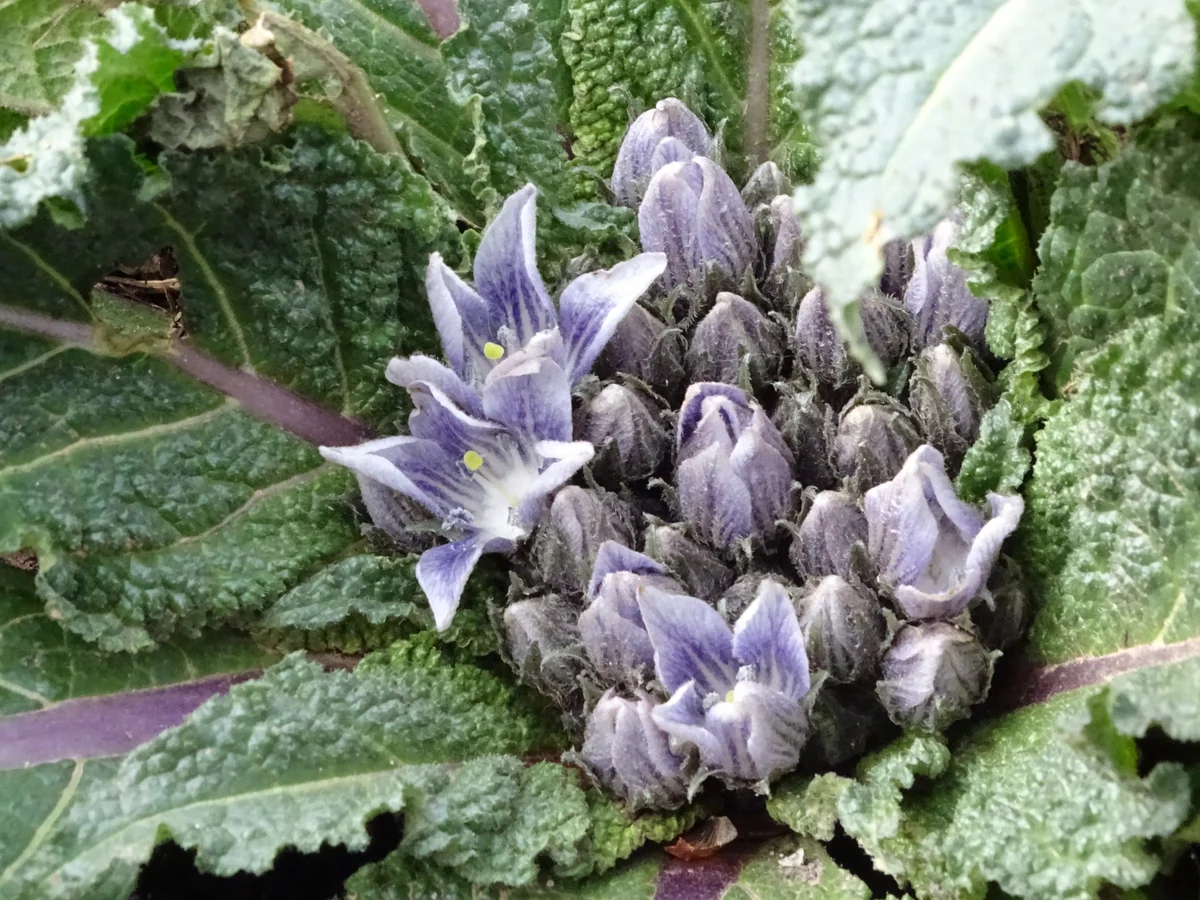
Identification: Native to the Mediterranean basin, the mandrake is a perennial belonging to the Solanaceae family, which also includes tomatoes and potatoes. The plant begins to emerge in late autumn, showcasing long, dark green, oval leaves with wavy edges that initially stand upright before spreading along the ground. In early spring, it produces a cluster of tubular, bell-shaped flowers that are pale greenish-white, occasionally tinged with purple. Its hardiness allows it to withstand temperatures between -5 and -10°C. Interestingly, while most plants are blooming, the mandrake gradually fades away.
Planting Guidelines: For optimal growth, the mandrake thrives in full sun, sheltered from wind and cold. It prefers a deep, well-drained soil that is not overly fertile. Ideal locations include rock gardens or the base of a sunlit wall. Planting should occur in the autumn, either under a frame or in a pot for protection.
Maintenance: This plant requires minimal upkeep. It is essential to ensure the soil remains dry to prevent slugs, which can damage the fruits and leaves.
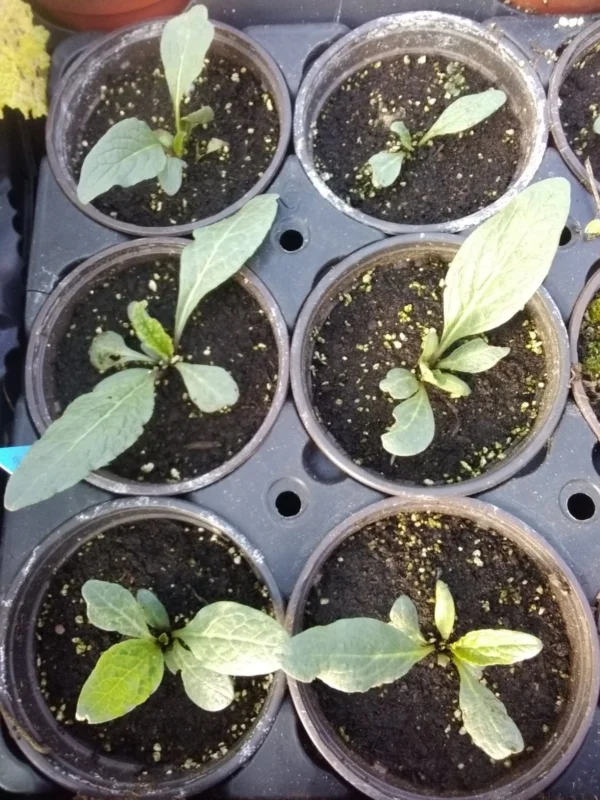
Did You Know? At the Jardin des Cinq Sens, after numerous attempts at pollination and sourcing mandrake plants, we successfully cultivated our own mandrakes last year through natural pollination! Here’s a snapshot of our little success.
13 April 2022 / by Jardin des Cinq Sens Yvoire