Creating a Butterfly Haven: Your Garden as a Butterfly Sanctuary
Transform your garden into a butterfly sanctuary by incorporating diverse plants that cater to their life stages. Discover how to attract more butterflies and support their lifecycle.
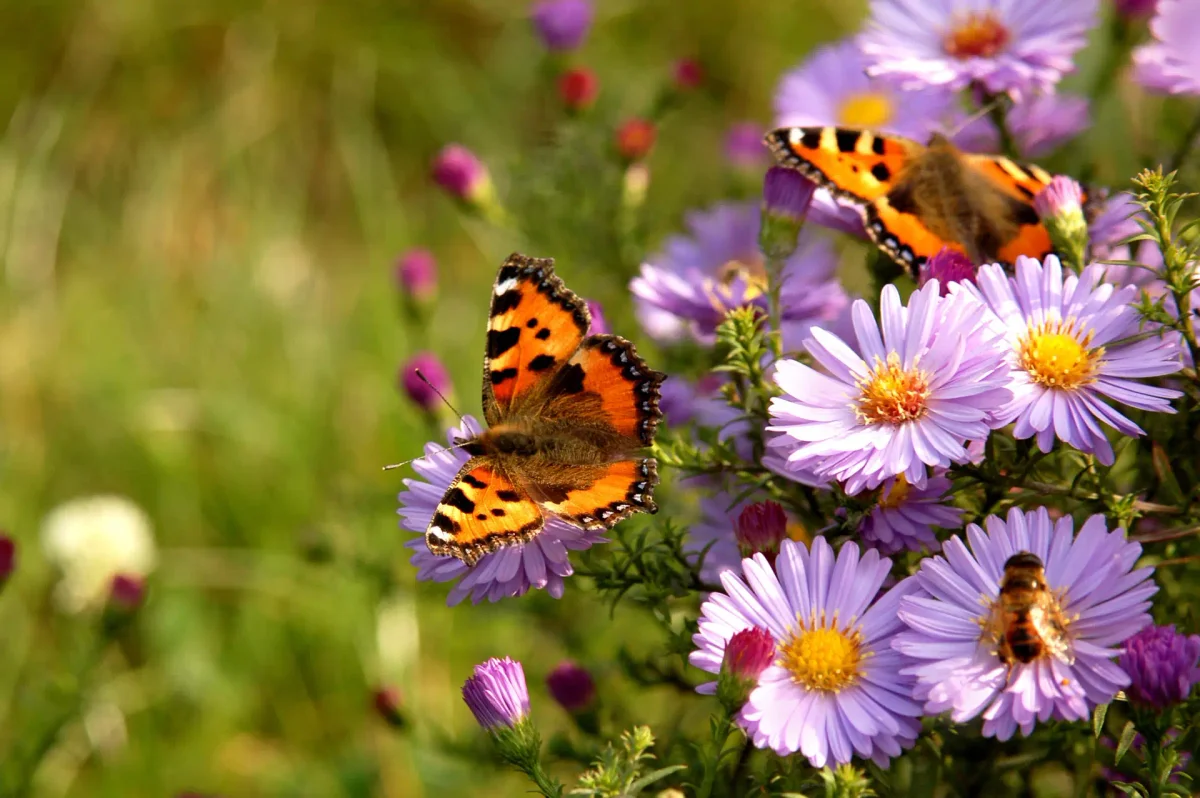
A vibrant garden adorned with colorful flowers instantly brings joy, especially when a butterfly alights on a bloom. However, these fleeting visits represent only a fraction of what butterflies truly require. These insects are drawn not only to the vivid petals but also depend on specific plants for various life stages: adult butterflies seek nectar, females need suitable plants for laying eggs, caterpillars feed on designated host plants, and pupae require sheltered spots. Furthermore, many species rely on protection during the autumn and winter months.
To attract more butterflies to your garden, consider factors beyond just flowers. A successful butterfly habitat incorporates a combination of food sources, host plants for caterpillars, sunny locations, and areas left somewhat untidy.
Flowers Are Just the Beginning
Butterflies are particularly fond of plants like lavender, phlox, thistles, cornflowers, thyme, and summer lilac, where they can find nectar to replenish their energy. While this is essential for adult butterflies, it is not sufficient for the next generation.
Caterpillars have different needs; they feed on the leaves of specific host plants. If the right plant is absent, a butterfly may visit briefly, but your garden won't serve as a nursery.
A patch of nettles by the fence, blooming dill, fennel, wild carrot, clover, cleavers, grasses, buckthorn, or blackthorn can be far more crucial for certain species than a meticulously arranged ornamental bed. In fact, a little chaos in your garden can be beneficial, as it allows for areas where wild plants can thrive.
Observing Butterflies in Your Garden
Not every butterfly that visits your garden is immediately noticeable. Some are small or inconspicuous, while others are easily recognized. Here’s a look at some of the most common species you might encounter:
Species Distinctive Features Garden Connection Admiral Dark wings with orange bands and white spots Caterpillars feed on nettles; adults enjoy late blooms Aurora Butterfly Males have orange wing tips Caterpillars feed on cuckoo flower and garlic mustard C-Falter Jagged wings with a light C on the underside Caterpillars feed on nettles, hazel, hops, and willows Thistle Butterfly Orange-brown with dark and light spots Visits many flowers; caterpillars live on thistles and mallows Gamma Moth Brown with a light gamma sign Caterpillars feed on many herbaceous plants Grid Moth Light-dark grid pattern on wings Caterpillars use clover, vetches, and alfalfa Large Oxeye Brown wings with a dark eye spot Typical of meadows; caterpillars live on grasses Small Tortoiseshell Orange with black, white, and blue markings Caterpillars feed on nettles Small White Butterfly White butterfly with dark spots Caterpillars feed on cabbage, nasturtium, and related plants Map Butterfly Color varies by generation Caterpillars feed on nettles, often in semi-shaded areas Chessboard Butterfly Black and white patterned wings Meadow butterfly; caterpillars live on grasses Swallowtail Yellow-black with small tails Caterpillars use dill, fennel, carrot, and wild carrot Peacock Butterfly Large eye spots on wings Caterpillars live communally on nettles Hummingbird Hawk-Moth Hovers like a small hummingbird in front of flowers Adults visit tubular flowers; caterpillars need cleavers Brimstone Butterfly Males are yellow; females are greenish-white Caterpillars feed on buckthorn and blackthorn
These species illustrate the diverse ways butterflies interact with your garden and the specific plants they require.
From Egg to Butterfly
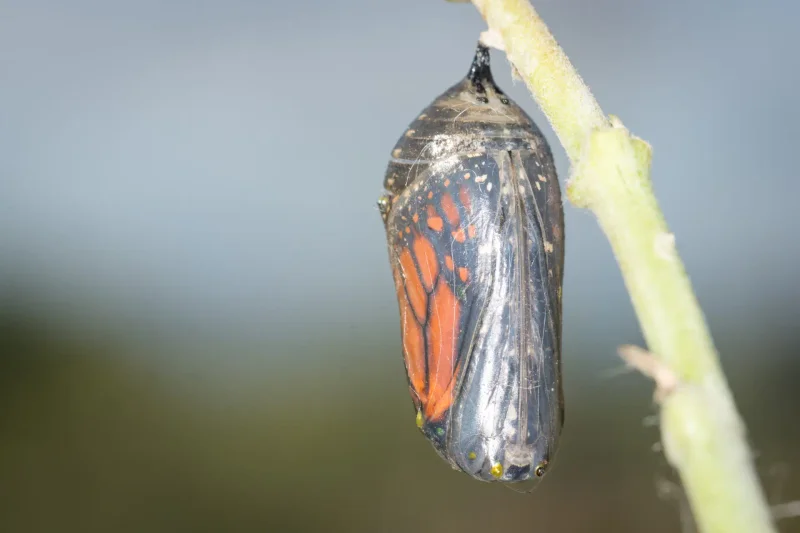
Butterflies undergo several developmental stages. After 1 to 2 weeks, an egg hatches into a caterpillar, which feeds, grows, and molts multiple times. This caterpillar phase typically lasts 3 to 6 weeks, depending on the species and weather conditions. Following this, the caterpillar pupates for about 2 to 4 weeks before emerging as a butterfly. It's essential to recognize that each phase has different requirements:
- Eggs are laid on suitable plants so that caterpillars can find food immediately upon hatching.
- Caterpillars require specific leaves, such as those from nettles, grasses, umbellifers, cleavers, or cabbage plants.
- Pupae need quiet spots on stems, branches, in foliage, or dense plant areas.
- Overwintering butterflies benefit from not having the entire garden cleared in the fall.
- Butterflies need nectar-rich blooming plants from spring through autumn.
The caterpillar phase is the most noticeable in the garden, often leaving behind bite marks and sometimes congregating on plants, which can be particularly bothersome for vegetables. Nonetheless, these caterpillars are a vital part of the butterfly life cycle; without them, there would be no butterflies.
Plants That Make a Difference
A butterfly-friendly garden thrives on plants that provide benefits at different times and stages. Early in the year, the first nectar sources are needed, while summer brings a demand for abundant blooms, and autumn requires late-blooming perennials for energy replenishment. Additionally, specific plants are essential for caterpillar growth.
Type Examples Benefits Early Bloomers Coltsfoot, dandelion, blackthorn, willow First food for early butterflies Summer Blooms Thistles, cornflowers, clover, lavender, snake's head, thyme Nectar for many species Late Blooms Asters, sedum, goldenrod, phlox, water plantain Food source into autumn Caterpillar Food Nettles, dill, buckthorn, fennel, blackthorn, cleavers, wild carrot Egg laying and caterpillar development Meadow Plants Grasses, clover, alfalfa, mallows, vetches, meadow sage Habitat and food source
A thriving butterfly garden consists of various plant groups. A flowering herb patch supports adult butterflies, while a small nettle patch at the edge aids caterpillars. A meadow island with grasses, clover, and wildflowers adds additional structure. This combination keeps the garden appealing to butterflies year-round.
Bite Marks Are Part of the Deal
Chewed leaves can pose a problem, particularly on young vegetable plants or crops intended for harvest. Before you take drastic measures, it’s worthwhile to examine where the caterpillar is feeding. In wild plants, edge areas, meadow islands, or beneath shrubs, they can remain without issue, as they won't affect your harvest and are part of garden life. However, on cabbage, lettuce, or other delicate crops, the situation may differ, requiring protective measures or manual collection of the caterpillars.
- On wild plants and edge areas: usually tolerated
- On individual ornamental plants: monitor and intervene only if there’s severe damage
- On young plants in vegetable beds: check early
- On cabbage crops: better to protect in advance
- With few caterpillars: selectively collect instead of broadly combating
- With unknown caterpillars: identify first, then decide
As you can see, not every caterpillar is a nuisance. A few bite marks may not signify a significant loss; instead, they indicate that your garden is functioning as a habitat.
Cabbage White Butterfly – A Special Case in the Vegetable Bed
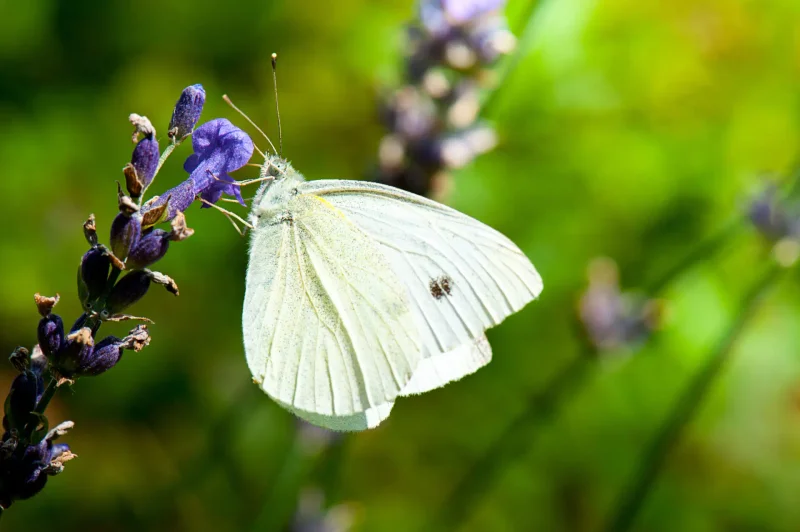
While cabbage whites are beautiful, their caterpillars can cause significant damage to cabbage plants. Therefore, protecting young cabbage, broccoli, savoy, cauliflower, or Brussels sprouts is advisable. Crop protection nets can prevent butterflies from laying eggs on these plants, which is more efficient than later trying to collect numerous caterpillars or rescuing heavily damaged plants.
On nasturtiums or individual plants not intended for harvest, some feeding can be tolerated. This way, your vegetable garden remains protected while still providing space for butterflies and caterpillars.
Less Order, More Survival Chances
In autumn and spring, excessive tidiness can cause more harm than frost. During cutting, raking, mowing, and disposal, eggs, pupae, caterpillars, or overwintering butterflies can easily be overlooked. Sometimes, they end up in compost or are destroyed when clearing away stems, leaves, and plant debris.
This doesn’t mean your garden should become untidy. Instead, a staggered approach is more effective. Remove what obstructs paths, is diseased, or blocks space in vegetable beds. Other areas can remain undisturbed until the first warm weeks of spring have passed. For you, this means:
- Do not conduct all pruning on the same day.
- Leave hollow or dry stems partially standing until spring.
- Let cuttings lie for a moment before disposal to allow animals to escape.
- Do not mow meadow areas all at once.
- Do not remove leaves from every corner.
- During spring cleaning, first check for pupae, webs, or resting butterflies.
- Avoid chemical treatments.
By being mindful, you can ensure that more butterflies will visit your garden in the future.
Overwintering in the Garden and Home
Butterflies have various overwintering strategies depending on the species. Some remain as adult butterflies, while migratory species head to warmer regions. Others survive the cold as pupae, caterpillars, or eggs. To give these creatures a chance in your garden, refrain from cutting everything back in the fall or becoming overly active in the spring.
If you find a butterfly in your basement, garage, or shed during winter, simply leave it there. A cool, frost-free, undisturbed space is ideal for overwintering. A warmer location may cause the butterfly to become active too soon. However, if the room is regularly heated, you can move the insect to a cooler adjacent space. To do this, place a glass over the butterfly, slide a piece of paper underneath, and release it in a sheltered spot without touching the wings!
More Than Just a Brief Visit
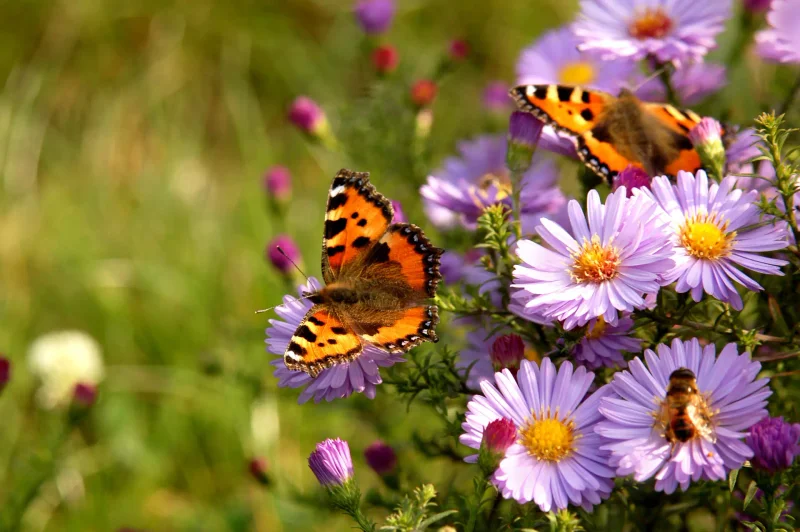
Creating a butterfly-friendly garden is not achieved with a single plant or a one-time effort. The key is to provide a continuous supply of nectar, appropriate host plants, and sheltered spots throughout the season. If you exercise restraint when pruning, mowing, and checking your garden, you’ll soon discover more than just the finished butterfly on a bloom. Your garden can transform into a genuine and lasting habitat for butterflies.