Choosing the Best Cover to Protect Your Garden Furniture
Protecting your garden furniture is essential. Weather, UV rays, and moisture can quickly deteriorate your outdoor furniture. Discover how to choose the right cover for optimal protection.
Protecting your garden furniture is crucial. Weather conditions, UV rays, and moisture can quickly damage your outdoor pieces, diminishing both their lifespan and aesthetic appeal. To prevent this, selecting the right cover is essential. This article will guide you through the key factors to consider when choosing the perfect cover.
Size: A Primary Consideration
The first factor to consider is the size of the cover. A cover that is too small will fail to adequately protect your furniture, while one that is overly large may not fit securely and could be cumbersome to use. Carefully measure your furniture before making a choice. There are specific models designed for various types of furniture, whether it's a table, chairs, or modular garden sofas, so ensure the size matches your equipment's dimensions.
Waterproofing: A Must Against Moisture
Waterproofing is a critical aspect for ensuring optimal protection against moisture. Opt for a cover that guarantees total waterproofing. A waterproof cover will prevent water from seeping in and damaging materials like wood or metal.
UV Resistance: Preserving Colors
UV rays can fade colors and weaken materials. Choose a cover with good UV resistance to keep colors vibrant and prevent sun damage. A good indicator of this property is the UPF (Ultraviolet Protection Factor) rating of the fabric used; the higher the rating, the better the UV protection.
Quality Material: Durability and Performance
The quality of the cover's material plays a vital role in its durability. Common materials include polyester, polyurethane, and vinyl, each with its pros and cons:
- Polyester: Durable, lightweight, flexible but less UV resistant.
- Polyurethane: Waterproof, tear-resistant but may crack in high heat.
- Vinyl: Highly waterproof, good UV resistance but heavier and less flexible.
Ventilation: Combatting Condensation
Adequate ventilation is crucial to prevent mold and mildew formation. Look for covers equipped with ventilation systems, such as mesh windows or strategically placed vents. Air circulation is essential to avoid condensation, especially in humid or rainy regions, significantly contributing to the longevity of your garden furniture.
Protection Against Elements: Comprehensive Defense
In addition to rain and UV rays, consider other natural elements such as wind, snow, or pollen. A robust cover will provide a complete barrier against these threats.
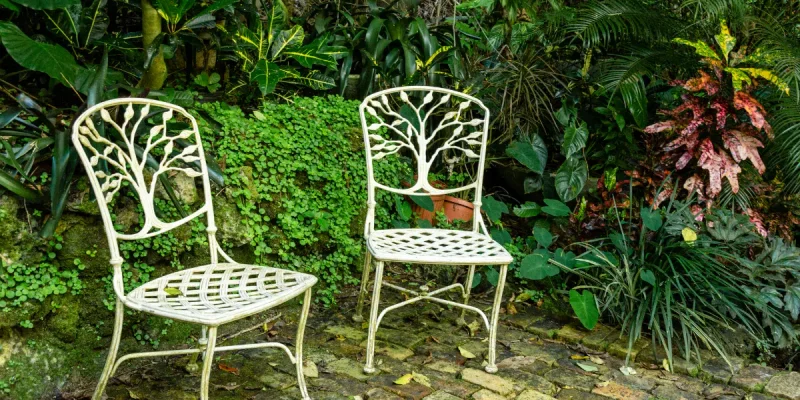
To ensure maximum protection, opt for models with adjustable drawstrings and fastening loops. These features help secure the cover in place, even in windy conditions.
Color: Discretion or Accentuation?
The color of your cover may seem like a minor detail, but it also serves a practical purpose. Dark colors can hide dirt better, while lighter shades may reflect sunlight more effectively. Consider coordinating the cover's color with your garden furniture or surrounding decor to add a touch of elegance when the cover is in use.
Fit: Precision and Security
A proper fit is essential for the cover to effectively perform its protective role. Ensure that the cover is easy to put on and remove. Models with zippers running the full length are often preferable, as they provide greater flexibility and facilitate quick installation.
Ease of Use: Simplifying the Task
Choose a cover that doesn’t turn every handling into a challenge. Ease of use is vital to encourage regular use of this protective accessory. Sturdy, ergonomic handles make the process of putting on and taking off the cover easier. Some models even include integrated storage bags for convenient storage when the cover is not in use. A well-designed, simple system that enhances user comfort should always be among your selection criteria.