Caring for Silver Wattle (Acacia dealbata): A Guide to Winter Mimosas
Discover how to care for the winter mimosa (Acacia dealbata), an exotic shrub that blooms spectacularly in winter. This guide covers planting, watering, pruning, and propagation techniques for successful gardening.
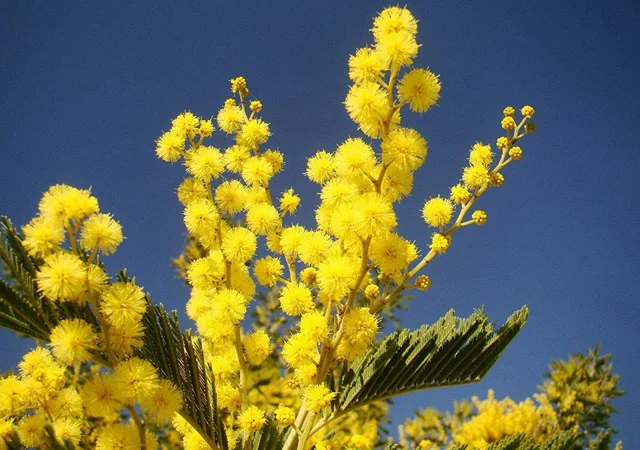
The winter mimosa, or Acacia dealbata, transforms gardens into stunning golden displays as early as January. This Australian shrub captivates with its unique ability to bloom while many other plants remain dormant.
Cultivating this plant requires specific knowledge to ensure a spectacular flowering year after year.
The Winter Mimosa: An Exotic Shrub with Spectacular Winter Blooms
Acacia dealbata enchants gardeners with its capacity to brighten up gardens during the colder months. This species, native to Australia, adapts remarkably well to the French climate, especially in Mediterranean regions.
Botanical Characteristics of Acacia dealbata
The Acacia dealbata showcases a rounded form, reaching heights of 5 to 10 meters when planted in the ground. Its evergreen foliage displays a striking silvery-blue-green hue that is particularly decorative. The finely dissected, bipinnate leaves create a light, airy texture that beautifully contrasts with the floral pom-poms.
Blooming occurs from January to March, depending on the region in France. The bright yellow flowers emit a strong almond fragrance, filling winter gardens with their scent. This fast growth rate of 50 to 80 centimeters per year allows for the quick establishment of mature specimens.
| Characteristic | In Ground | Potted Cultivation | |--------------------------|------------------|---------------------| | Adult Height | 5-8 meters | 2-4 meters | | Annual Growth | 50-80 cm | 30-50 cm | | Hardiness | -10°C to -15°C | -5°C to -8°C | | Blooming Period | January-March | February-April |
Ideal Cultivation Conditions in France
Mediterranean regions provide the best conditions for growing Acacia dealbata. Areas like the Côte d’Azur and Provence, particularly around Marseille and Nice, allow for cultivation in the ground without special protection. USDA zones 8-9 perfectly match the needs of this species.
In northern France, pot cultivation becomes necessary to protect the shrub from severe frost. Young plants are particularly sensitive to cold and require special attention during their early years.
Successfully Planting Your Acacia dealbata
The success of your winter mimosa largely depends on the planting conditions you provide. Careful soil preparation and a wise choice of location ensure optimal development of your shrub.
Soil and Exposure Requirements
Acacia dealbata requires a well-drained soil to thrive. Heavy, waterlogged soils can quickly lead to root rot. A neutral to slightly acidic pH, between 6 and 7, promotes nutrient absorption.
Full sun exposure is essential, with a minimum of six hours of direct light each day. Protect your mimosa from cold northern winds that can damage young shoots and compromise blooming.
Planting Techniques for Ground Cultivation
It is best to plant your Acacia dealbata in autumn, between October and November, or in spring from March to April. These periods allow for optimal rooting before climatic stresses.
Dig a hole measuring 50x50x50 centimeters, which is twice as wide as the root ball. Mix the extracted soil with one-third compost and add gravel to enhance drainage. Plant at the collar level and water thoroughly with 20 to 30 liters of water.
The planting steps include:
- Preparing the hole with organic amendment
- Positioning the root ball at the correct level
- Backfilling with the soil-compost mixture
- Generous watering to eliminate air pockets
- Applying a pine bark mulch
Container Cultivation for Colder Regions
Container gardening allows those in colder areas to enjoy the beauty of the winter mimosa. Choose a pot with a diameter of at least 50 centimeters to accommodate sufficient root development.
Prepare a substrate consisting of 50% horticultural soil, 30% sand, and 20% shredded bark. This mixture ensures optimal drainage while retaining some moisture. Elevate the pot to prevent water stagnation.
Watering and Nutritional Needs for the Mimosa
The water and nutritional requirements of Acacia dealbata change with the seasons and the age of the plant. Proper management of these factors ensures harmonious growth and generous flowering.
Water Requirements by Season
During the first year after planting, keep the soil moist with regular watering. Provide 10 to 20 liters of water once or twice a week in the summer, avoiding excess that can promote root diseases.
Mature specimens exhibit remarkable drought resistance. Water only during prolonged heatwaves, approximately every two weeks. In pots, monitor soil moisture and water moderately when the surface becomes dry.
Optimal Fertilization for Abundant Blooming
The period from April to June is ideal for feeding your winter mimosa. Apply a flowering plant fertilizer or a universal NPK 10-10-10 fertilizer at a rate of 100 grams per square meter.
For container plants, use a diluted liquid fertilizer applied every four weeks in spring and summer. This regular but moderate fertilization supports the formation of floral buds for the following season.
Mastering the Pruning of Winter Mimosa
Pruning Acacia dealbata directly influences its shape and flowering capacity. Timely intervention with the right techniques helps maintain a balanced form while stimulating flower production.
Ideal Pruning Times
Prune just after flowering, between March and April, to encourage branching and prepare for the next bloom. This timing allows the shrub to heal quickly and form new floral buds.
Avoid winter pruning, as this exposes fresh cuts to frost. Unhealed wounds can become entry points for pathogens, jeopardizing the health of your mimosa.
Pruning Techniques Based on Desired Outcomes
To maintain a compact form, shorten branches by one-third of their length. This moderate pruning encourages denser foliage and multiplies flowering points.
Systematically remove dead wood, crossing branches, and excessive vertical shoots. These sanitation measures improve air circulation and reduce disease risks.
Pruning actions include:
- Removal of dead and diseased wood
- Elimination of crossing branches
- Shortening of overly vigorous shoots
- Aeration of the shrub's center
Winter Protection and Hardiness
The cold resistance of Acacia dealbata varies based on the age of the plants and cultivation conditions. Proper protection can extend its cultivation range to northern France.
Wintering Methods by Region
In areas where temperatures regularly drop below -10°C, protect young plants with a winter cover. This light protection is usually sufficient to safeguard floral buds from late frosts.
Mimosas grown in pots require wintering in an unheated conservatory, maintained between 5 and 10°C. This cool temperature respects the plant's dormancy needs while preventing frost damage.
Preparing the Mimosa for Cold Weather
Enhance the cold resistance of your Acacia dealbata by gradually reducing watering as autumn approaches. This water restriction promotes the hardening of tissues and improves their resilience to low temperatures.
Apply a thick mulch around the base to protect superficial roots. Pine bark or fallen leaves create effective natural insulation against soil frost.
Preventing and Treating Diseases and Pests
Acacia dealbata generally exhibits good resistance to diseases, but certain issues may arise, particularly under inadequate cultivation conditions.
Common Issues with Winter Mimosa
Scale insects are the most frequent pests affecting the winter mimosa. These insects appear as white, cottony spots on leaves and stems, often accompanied by sticky honeydew.
Powdery mildew can develop in hot, humid conditions, resulting in a characteristic white powder on the foliage. Root rot typically arises from excess moisture, leading to yellowing leaves and overall wilting.
Natural Solutions and Effective Treatments
Treat scale insects with insecticidal soaps or white oil applied in spring. These natural products disrupt the pest's life cycle without harming the environment.
Prevent powdery mildew by improving ventilation around the shrub and avoiding watering on the foliage. A preventive treatment with diluted baking soda strengthens the plant's natural defenses.
Preventive measures include:
- Maintaining good air circulation
- Avoiding excess water
- Regularly monitoring foliage
- Removing diseased parts
Propagation Techniques to Expand Your Collection
Propagating Acacia dealbata allows you to multiply your favorite specimens and share this beautiful species with fellow gardeners. Several methods offer varying success rates depending on the gardener's experience.
Cuttings and Sowing
Cuttings should be taken in June-July from semi-woody shoots of about 15 centimeters. Plant these cuttings in a mixture of potting soil and sand, under a frame to maintain constant humidity. The success rate for this method is around 50%.
Sowing requires prior scarification of seeds in hot water at 80°C. Sow in a greenhouse in spring, but expect 2 to 3 years before the first blooms appear. Layering in spring offers a simpler alternative for some varieties.
Recommended Varieties for Different Situations
The variety ‘Gaulois Astier’ stands out for its early blooming and particularly intense fragrance. This French selection adapts well to Mediterranean conditions and shows better cold resistance than the typical species.
‘Mimosa Sunrise’ features a more compact growth habit, ideal for container cultivation or small gardens. These hybrid varieties often provide better disease resistance and more consistent blooming than plants grown from seeds.