Bilbotarra but with echoes of Forestier
Discover the historic Parque de D. Casilda Iturrizar in Bilbao, a beautiful garden inspired by renowned designer Forestier, featuring diverse plant species and serene landscapes.

Today we are heading to the capital of Biscay to explore a park right in Bilbao.
Taking advantage of the nice weather over the weekend and the short drive from Palencia, we decided to make a getaway to Bilbao. I won’t talk about the delicious food, the Nervión river, the culture and atmosphere, the steel industry, the industrial reconversion, or the Guggenheim Museum... (well, maybe later...)
Today, I bring you a park from the early 20th century (designed at the end of the 19th century) covering almost 9 hectares of land. It is a beautiful historic garden named after its benefactor, a wealthy woman who financed it, Doña Casilda Iturrizar. This is the name of the garden: Parque de D. Casilda Iturrizar or Parque de D. Casilda.
The area where it is located was part of the "ensanche" or expansion of the city at that time, and in line with other cities of the era, it was necessary to provide a green space for leisure and recreation for the people of Bilbao.
Thus, this "new" park has, over time, become the garden that is recommended to visit when you pass by the tourist office or when someone tells you what to do when you visit this city for the first time.


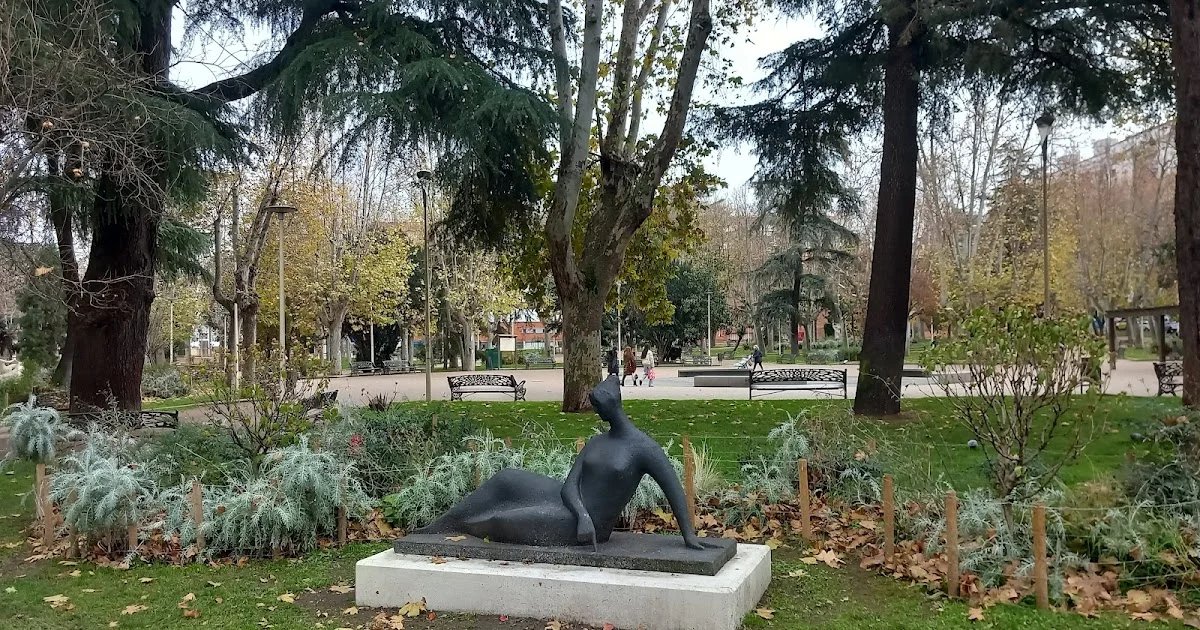
French-style area of Parque D. Casilda, Bilbao
The area is shaped like a "fan," divided into two zones... one long and narrower on elevated flat terrain and another wider but in a hollow. Designed by architect Ricardo Bastida and engineer Juan de Eguiraun, they set the bar high and tried to take inspiration from the then-renowned designer Forestier, the father of numerous famous parks and gardens across Europe. It seems that the designers sought advice on the execution of this project from none other than Nicolas Forestier himself. Not everything planned was executed, but the influence of the French designer (and his disciples in this case) is undoubtedly evident.
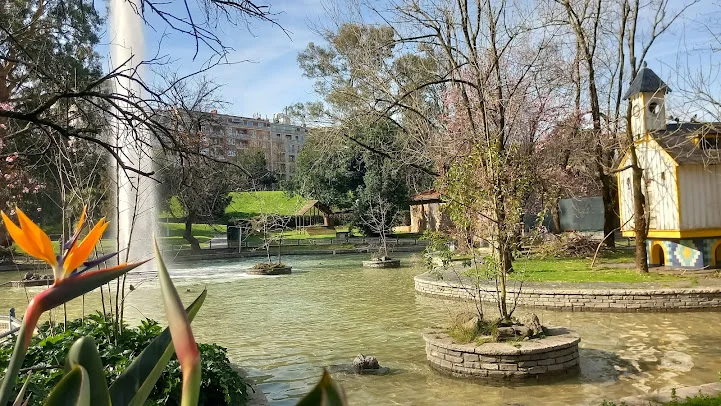
It was designed with two clear ideas: the flatter area suitable for it hosts a formal garden with long avenues, fountains, and aligned trees very much in the style of a French or Baroque garden. Meanwhile, the sloped area that ends in a depression of the land was reserved for an informal garden with winding paths, meadows, lakes, and streams (in a Landscape, Romantic, or English style, as you might define it). In this lake, various species of ducks inhabit or used to inhabit, hence the park's nickname as the "duck park." Perhaps the abrupt change in level, combined with a beautiful pergola built later and in line with the Baroque style of that area of the park, cuts the view and helps to separate the space, but I believe the transition from one space to another occurs naturally.

More than 1500 specimens make up the arboreal heritage of the park, counting around 70 different species (some peculiar or uncommon for gardening in the area).
The park lost space to build the Bilbao Fine Arts Museum. However, almost 30,000 square meters of green areas have been expanded, connecting the "original" park with the promenade that leads us to the riverbank and guides us upstream to the Guggenheim Museum.
Newly created spaces include covered playgrounds (ideal for a northern climate), dog areas... masses or bands of shrubs...

Informal (Romantic, Landscape, or English) area of Parque D. Casilda in Bilbao.
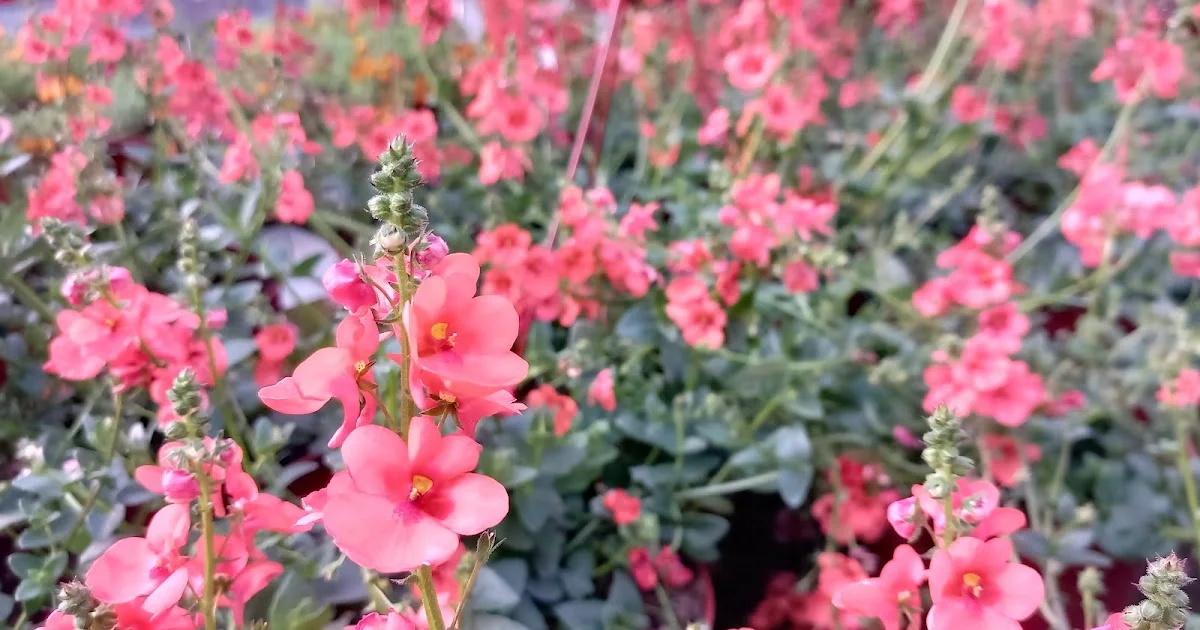
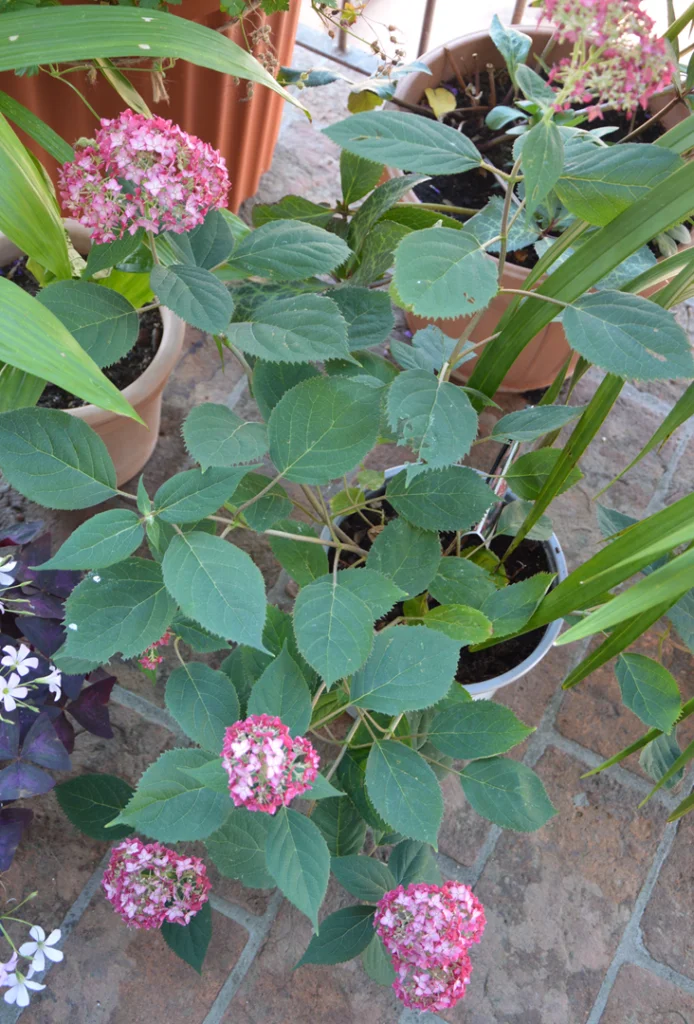
Overall, the state of the park was good, with well-maintained meadows, crystal-clear ponds, and no litter on the ground (even with many people and pets around). Some plants, like camellias in the more formal area, did not look very lush even while blooming, and some seasonal plants in planters were not at their best... still, I enjoyed the visit overall.
It is a park very much loved by the locals, and as I mentioned, it is well worth a visit.
Make a note of it for future visits!