Ant Mounds in the Garden: Understanding Their Beneficial Role for Soil Health
Ant mounds in the garden play a vital role in soil health, aiding in aeration, nutrient recycling, and pest regulation while also presenting challenges with certain pests.
Ant Mounds in the Garden: Understanding Their Beneficial Role for Soil Health
The Ecology of Ants in the Garden: Allies or Pests?
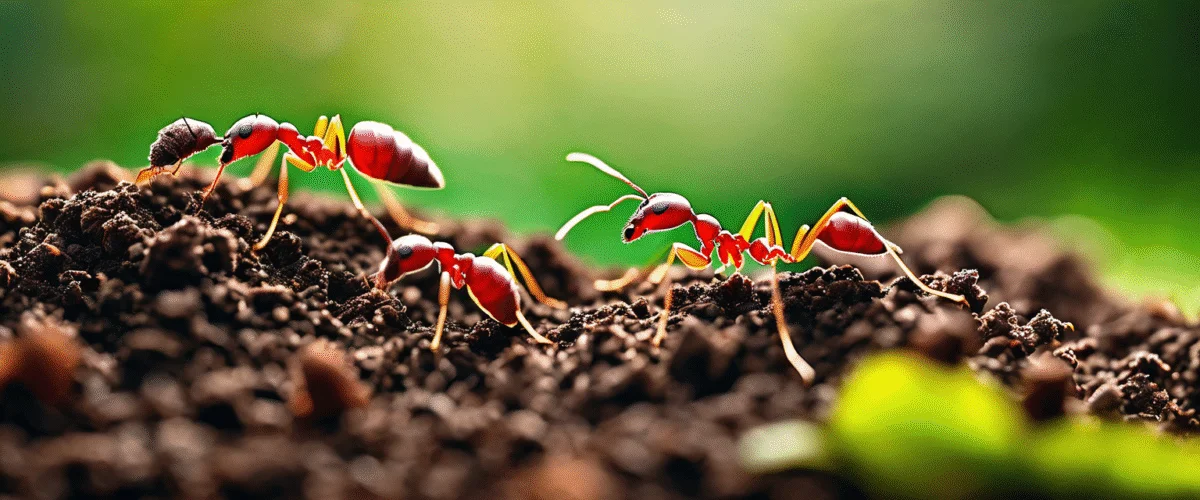
Ants play a crucial role in maintaining soil health. By creating networks of tunnels and galleries, they aerate the soil, bring small stones to the surface, and enhance drainage. This mechanical activity is similar to that of earthworms, albeit on a different scale and with a unique social structure. Such actions improve soil structure, promote water and root penetration, and help prevent compaction, especially in intensive vegetable gardens or frequently trampled lawns.
Beyond their physical contributions, ants also expedite the decomposition of organic matter. They consume plant debris, dead insects, and even small animals, facilitating nutrient recycling. Their waste enriches the soil locally, creating micro-zones of increased fertility. Certain species, like carpenter ants, inhabit decaying or dead wood, aiding in its breakdown and paving the way for fungi and decomposer bacteria.
Ants also serve as effective biological regulators. They prey on the eggs, larvae, and adults of numerous pests, including processionary caterpillars, spiders, worms, and aphids. Interestingly, they also maintain symbiotic relationships with some of these pests. For instance, a colony of black garden ants (Lasius niger) can significantly mitigate the pressure from caterpillars on fruit trees, as observed by the INRAE experimental station in Avignon in 2022.
Benefits of Ants in the Garden
- Soil Aeration: Their tunnels enhance air and water circulation.
- Nutrient Recycling: Ant waste and remnants of prey enrich the soil.
- Pest Regulation: Ants help control the population of various harmful insects.
- Seed Dispersion: Certain plants benefit from myrmecochory, using ants to spread their seeds.
Myrmecochory, or seed dispersal by ants, involves specific plants such as violets, greater celandine, and European spindle. These myrmecophytes thrive due to ants transporting their seeds underground to consume their elaiosome (a nutrient-rich appendage). This mutualistic relationship allows the plant to reproduce while providing food for the ant.
However, the interaction between ants and aphids can complicate matters. Ants protect aphids in exchange for their honeydew, which can lead to an increase in sap-sucking pests on young shoots, roses, or leafy vegetables. In a home garden setting, this relationship can result in a yield loss of 10 to 20% for sensitive crops, according to observations by the Société Nationale d’Horticulture de France (SNHF) in 2023.
In summary, while ants can be beneficial allies in the garden, their relationships with certain pests may necessitate careful management to maximize crop health and yield. Understanding the dual role of ants can help gardeners make informed decisions about how to coexist with these industrious insects.