A Step-by-Step Guide to Repotting Fuzzy Succulents
Learn how to successfully repot fuzzy succulents in spring, using a well-draining soil mix and proper techniques to ensure their health and growth.
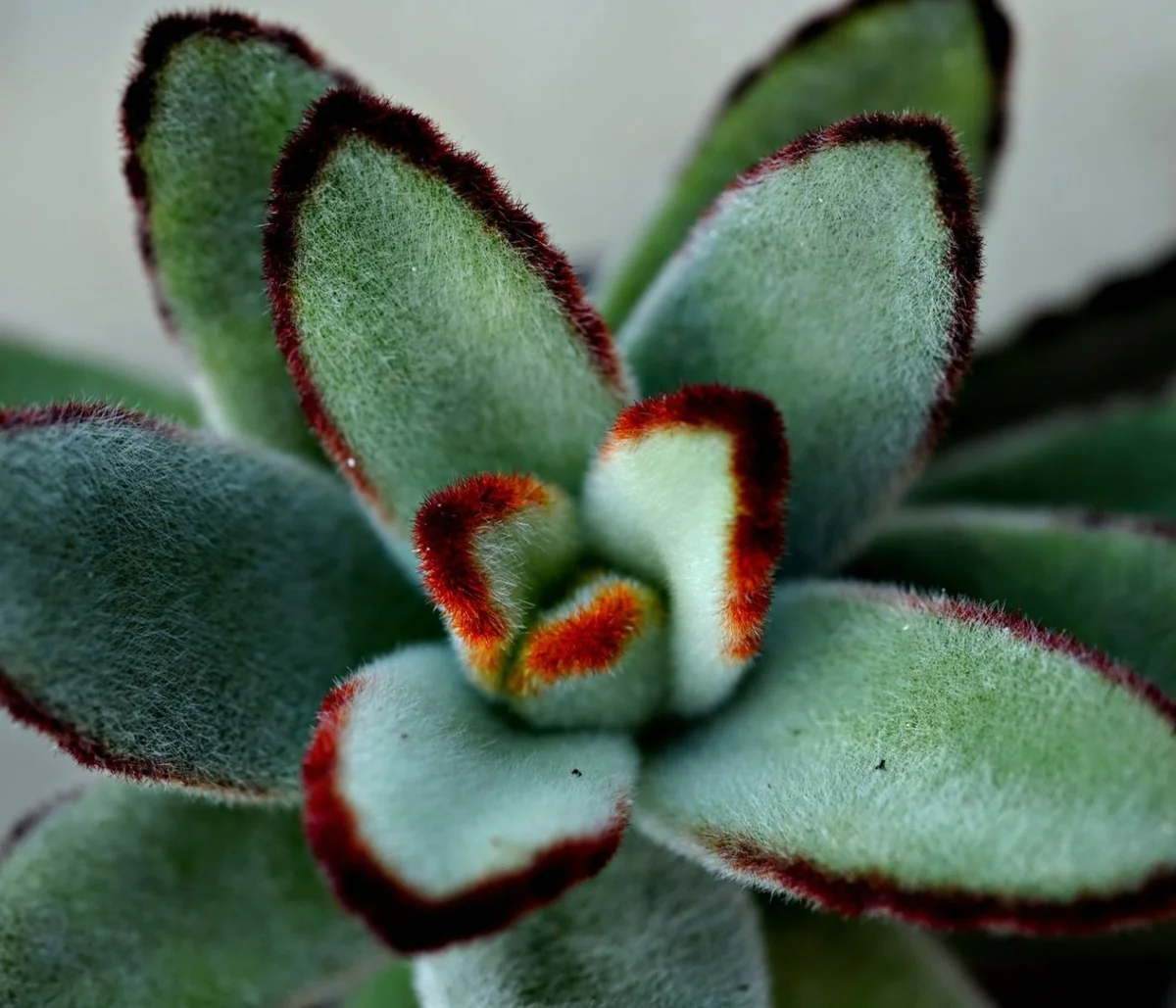
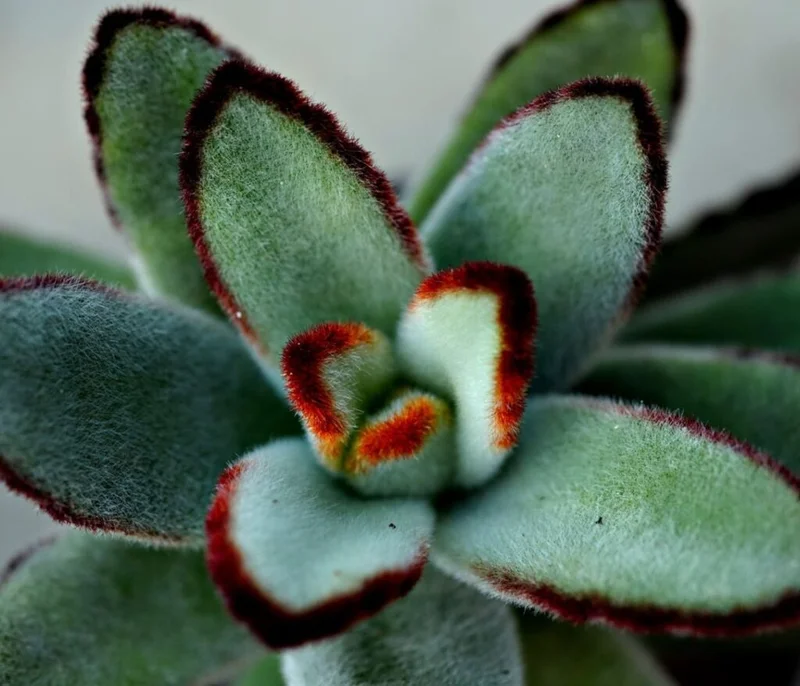
Repotting your fuzzy succulents, such as Senecio haworthii or Echeveria pulvinata, can be a rewarding yet delicate task. These charming plants, known for their soft, silver hairs (trichomes), have become popular in French homes. However, improper handling during repotting can lead to damage or root rot. This guide will help you navigate the process smoothly and ensure your plants thrive.
When and What Pot to Use for Repotting
Spring is the optimal season for repotting, as the plants are waking from dormancy. In France, it's best to avoid frost and heatwaves during this time. For the pot, terracotta is recommended because it allows roots to breathe. However, plastic pots can be a good alternative for those who might forget to water, as they retain moisture better. Choose a pot that is 2 to 3 cm wider than the previous one; anything larger can lead to water stagnation. You can find suitable pots at garden centers like Truffaut or Botanic, with prices ranging from 2 to 10 € depending on size.
How to Prepare a Well-Draining Soil Mix
Commercial soil can be too heavy for these plants. The key is to create a well-draining mix. Here’s a favored recipe: 50% cactus soil (brands like Algoflash or Solabiol), 30% coarse river sand (avoid sea sand due to its salt content), and 20% pumice or perlite. Alternatively, you can purchase a pre-made “special succulent” mix for about 5 to 6 € for a 5-liter bag. A helpful tip is to lightly moisten the substrate before use to reduce dust and ease the repotting process.
| Type of Substrate | Advantages | Disadvantages | Approximate Price (5L) | |--------------------------------------|-----------------------------------------|----------------------------------------|-------------------------| | Cactus Soil | Ready to use, good retention | Sometimes too compact | 4-6 € | | Homemade Mix (recipe above) | Optimal drainage, cost-effective | Requires separate ingredients | 2-3 € | | River Sand Alone | Very draining | Low in nutrients, needs to be mixed | 1-2 € |
How to Extract the Plant Without Damaging the Hairs
Water the plant 2 to 3 days prior to repotting to loosen the roots. Wear thin gloves, as the hairs are fragile. Gently tap the pot’s edge on a table, tilt it, and slide the root ball out. If it’s stuck, use a thin blade to separate the root ball from the pot. Avoid touching the hairs with greasy or wet fingers; a dry brush is sufficient for dusting them off.
How to Trim Roots and Clean the Root Ball
Examine the roots carefully and prune any that are black, soft, or dead using disinfected pruning shears (70% alcohol). Shake off the old substrate. If the root ball is compacted, soak it for 5 minutes in a solution of warm water and black soap (1 teaspoon per liter). Afterward, sprinkle the roots with powdered cinnamon, a natural antifungal remedy often used by grandmothers. You can also opt for a diluted organic fungicide like Bordeaux mixture.
How to Repot and Pack Without Stress
Start by placing a drainage layer at the bottom of the pot, using 2 to 3 cm of clay balls or gravel. Hold the plant by its base (avoiding the fuzzy leaves) and position it in the center. Add the substrate around the roots, lightly packing it down with your fingertips—don’t compact it too much. Leave about 1 cm of space between the substrate and the pot’s edge for watering.
How to Water and Position for Recovery
Wait 3 to 5 days before the first watering to allow the roots to heal. When you do water, do so moderately from below: place the pot in a saucer filled with water, allowing the plant to absorb what it needs. Position it in a bright area, avoiding direct sunlight—west or east-facing windows are ideal in France. Keep it away from drafts, and the ideal temperature range is 18 to 22°C. It’s normal for a few hairs to fall off in the first weeks; return to regular watering after three weeks.
Common Mistakes to Avoid
- Watering immediately after repotting can lead to root rot.
- Using a pot that is too large can cause water stagnation.
- Touching the hairs with greasy fingers can lead to contamination and rot.
- Exposing the plants to direct sunlight can burn the hairs, causing brown spots.
- Neglecting drainage is a mistake; a drainage hole is essential even with good substrate.
Frequently Asked Questions About Repotting
Can I repot my fuzzy succulent in winter? Not recommended, as the plant is in a dormant phase. Wait until spring.
What if the hairs fall off after repotting? A few fallen hairs are normal. If excessive, check for overwatering or direct sunlight exposure.
Where can I buy substrate for fuzzy succulents in France? Look for it at garden centers (Truffaut, Botanic, Gamm vert) or online (Amazon, ManoMano). Preferably choose French brands like Algoflash or Solabiol.
What if my pot doesn’t have a drainage hole? Add a 5 cm layer of clay balls at the bottom and water very sparingly. However, a pot with drainage is ideal.
Can I use garden soil? No, it’s too heavy and not draining enough. Use a special cactus mix or create your own recipe.
With these guidelines, you’re now equipped for a successful repotting experience. It’s a delicate task, but with patience, your fuzzy succulent will reward you beautifully. Have you tried repotting before? Share your tips in the comments or show us your photos with the hashtag #SucculenteVelue. If you’re interested in more information, check out my guide on watering succulents in winter.