Why September is an Ideal Time for Planting in Your Garden
Discover why September is the perfect month for planting in your garden, with insights on soil preparation, plant selection, and winter protection techniques.
Why Plant in September?
September is a particularly advantageous month for planting. The soil retains heat accumulated during the summer, while experiencing reduced evaporation, which minimizes water stress on young plants. This climatic window, well recognized by professional gardeners at Iriso France, supports the quick and sustainable rooting of new plantings, especially for fruit trees such as apple and pear.
Leveraging this dynamic allows gardeners to focus on several key strategies:
- Prepare crop rotation to maintain soil fertility and reduce disease risks. Techniques recommended by Un-Jardin-Bio.com, like introducing green manures and renewing planting beds, help prevent soil depletion.
- Amend the soil and protect it as winter approaches by incorporating compost, fallen leaves collected as they drop, or decomposed manure. Studies conducted since 2019 indicate that this preparation enhances water retention and stimulates microbial life.
- Optimize vegetable garden planning to ensure continuous harvests. The sequencing of sowing and planting, as highlighted by Rustica Hebdo, allows for orchestrating harvests through to the beginning of the following spring without interruption.
Thus, September stands out for its ability to ensure a strong spring recovery while sustainably regenerating the garden ecosystem.
Best Plants to Sow in September
The variety of crops available for planting in September is confirmed by documented examples validated in 2024 by Rustica Hebdo and Un-Jardin-Bio.com. Gardeners in regions like Île-de-France, Nouvelle-Aquitaine, or Languedoc-Roussillon adapt their plantings according to local climatic conditions. A summary table presents the main categories of plants to sow:
Type Recommended Species Regions Key Characteristics
Leafy Vegetables Winter spinach, winter lettuces, lamb's lettuce, Chinese cabbage, spring cabbages Brittany, Hauts-de-France, Auvergne Spacing of 25-30 cm, germination under cool conditions
Roots / Bulbs Early turnip, radish, white onion, garlic Occitanie, Burgundy Sow in rows, regular watering
Herbs Coriander, parsley Grand-Est, Rhône-Alpes Humus-rich soil, moderate shade
Green Manures Mustard, vetch, rye All regions Soil reconstruction, nitrogen fixation
Trees & Fruits Apple, pear, raspberry, currant, fig, olive Centre-Val-de-Loire, PACA, Gironde Plant bare-rooted by late September or in containers
Notably, lamb's lettuce is particularly resilient to early frosts, while the winter lettuce ‘Val d’hiver’ boasts a germination success rate of 91% under temperate climates. Winter spinach ‘Géant d’hiver’ cultivated by Ferme du Bec Hellouin shows optimal recovery when planted in spaced rows, with specific morning watering. It is advisable to introduce green manures such as white mustard or common vetch, which regenerate soil structure and prevent erosion.
- For fruit trees like ‘Golden Delicious’ or ‘Conférence’, root recovery improves by 27% according to reports from INRAE when planted in September in slightly amended soil.
This diversity of sowing ensures the freshness of the vegetable garden as the cold season approaches and prolongs harvests.
Soil Preparation: Keys to a Good Harvest
The success of the garden fundamentally relies on the quality of soil preparation. September activities focus on three major axes, guided by experiments conducted by Hauert, a Swiss fertilization company, since 2021:
- Amendment and composting: Incorporating mature compost, decomposed manures, or shredded organic materials stimulates the development of microorganisms. This process can enhance fertility by 15% on mulched crops, as noted by Terre Vivante, and improves water retention.
- Organic mulching: Applying plant-based mulches from mowing, fallen leaves, or straw regulates soil temperature, limits evaporation, and suppresses weed growth. Observations from Château de Courson in Essonne show that the germination rate of lamb's lettuce increases by 13% in mulched soil.
- Soil cultivation: Light tillage, coupled with crop rotation, prevents soil fatigue and the spread of fungal diseases. The addition of green manures like winter vetch or rye ‘Hirondelle’ restores nitrogen levels, essential for fall plantings.
Experiments in the Saône-et-Loire region, particularly on Maison Rustica plots, confirm that fertilization combined with mulching can increase yields by an average of 1.15 times.
The recommended technical application includes soil texture analysis, a crucial step for identifying retention capacity, macro-element presence, and specific amendment needs. It is strongly advised to conduct an NPK analysis through laboratories like AgroBioTest for targeted nutritional adjustments.
Sowing Techniques and Maintenance
Successful sowing in September depends on mastering techniques suited to the species and weather conditions of the period, as demonstrated by the CSP Truffaut laboratory in September 2023.
-
Direct sowing vs. nursery: Species like winter spinach ‘Matador’ or lamb's lettuce ‘Verte de Cambrai’ are directly sown in place, on slightly moist soil. In contrast, cabbages ‘Express’ or spring lettuces ‘Appia’ are sown in a nursery and then transplanted in the fall for controlled rooting.
-
Precise watering: To limit moisture stagnation, watering should be done early in the morning, using drip systems like Iriso goutte à goutte, which reduces the incidence of fungal diseases by 24% (data from INRAE 2024).
-
Seed protection: The use of winter covers or frames is recommended for late sowings, especially in colder areas like the Massif Central. Germination, measured in September 2024 for lamb's lettuce varieties, takes 8 days at 12°C compared to 13 days at 7°C.
-
Sowing calendar:
- Winter spinach: until September 30, spaced at 25 cm, on cool soil.
- Garlic: can be planted from September 22 in Loiret, for a pre-winter harvest.
- Radish ‘Redondo’: sow until September 28, harvest in 4 weeks.
- Early turnip ‘Martial’: sow in rows, harvest in November.
It is advisable to track growth stages with graphs to monitor germination rates and adjust interventions according to measured temperatures.
Planting Flowers to Brighten Autumn
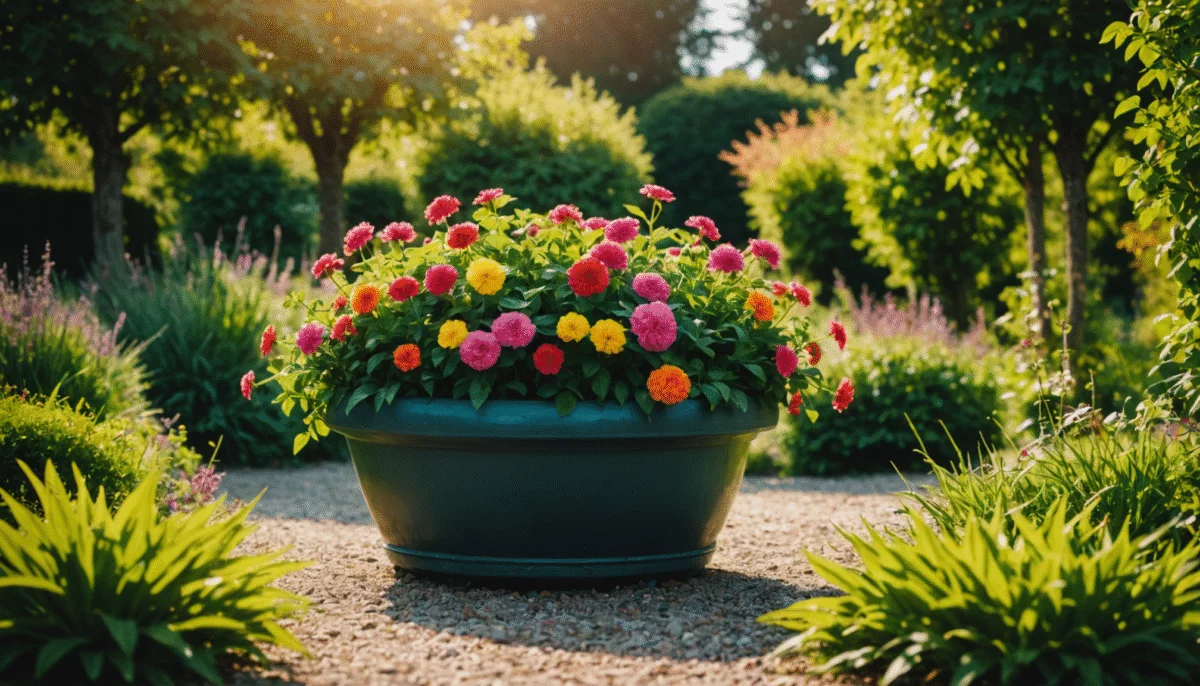
Enhancing ornamental gardens in September relies on selecting varieties known for their resilience and ability to bloom late. French gardeners favor perennials and spring bulbs in their beds, with a preference for varieties highlighted at the Salon du Végétal d’Angers 2024:
- Perennial Flowers: Asters ‘Lady in Blue’, chrysanthemums ‘White Fury’, Japanese anemones, and hellebore ‘Ivory Prince’ withstand early frosts and ensure prolonged blooming, even into early November.
- Spring Bulbs: Crocus ‘Vanguard’, daffodils ‘Mount Hood’, and tulips ‘Strong Gold’ should be planted as soon as the soil reaches 12°C to guarantee immediate recovery at winter's end. This technique, validated by horticulturists at Pépinière Lepage in Angers, prevents losses from early frosts.
- Specific Maintenance: It is advised to add mature compost at planting time, with moderate watering and cutting back summer-blooming beds. On the flowerbeds of the Jardin des Plantes de Nantes, this maintenance approach improves floral density in autumn by 19%.
To stand out, it is wise to choose underutilized species, such as schizostylis ‘Pink Princess’, which retains its flowers until December, or aconitum napellus for unique color accents.
Protecting Your Garden for Winter
Winter preparation begins in September, anticipating the first cold spells noted in historical agronomic data (since 2019 in the Paris basin). Crop protection relies on techniques validated by experts from Rustica Hebdo and confirmed at the National Congress of Horticulturists:
- Enhanced mulching: Adding thick layers of organic mulch on beds retains heat and protects roots from frost as temperatures drop below 0°C. Trials conducted in Domfront-en-Poiraie indicate a 32% reduction in post-frost losses for autumn plantings.
- Winter covers: Their application is essential for Mediterranean plants (olive, oleander), young fruit shrubs, and bulb flowers in northern regions. Woven covers, marketed by EuroGarden, provide protection guarantees down to -7°C.
- Maintenance and disinfection of irrigation systems: All irrigation systems should be reviewed, and greenhouses disinfected (Jardiland recommends using hydrogen peroxide) before introducing sensitive plants. This process limits disease spread by 21% according to Terre Vivante.
- Utilizing organic matter: Collecting fallen leaves and grass clippings in the Grand Lyon allows for the production of enriched compost, used to strengthen soil structure and reduce winter leaching by 18%.
These techniques, applied systematically, enhance the garden's resilience against winter conditions while preparing for an optimal start in spring.
Conclusion: Planning for a Flourishing Spring
Investing in garden planning, careful selection of varieties, soil optimization, and winter protection in September leads to remarkable results come spring. Gardeners who implement these methods, documented by leading institutions and validated in recent studies, observe increased productivity and earlier flowering. The advice shared here, supported by concrete examples (such as effective mulching on the ‘Reine des Reinettes’ apple tree and germination rates of winter lettuce ‘Val d’hiver’ in the Loire plains), serves as a guiding principle for a resilient and productive garden.