Understanding Tomato Leaf Curl: Causes and Solutions
Explore the causes of tomato leaf curl and discover effective solutions to ensure healthy growth in your garden.
Understanding Tomato Leaf Curl: Causes and Solutions
Tomato plants are a staple in many gardens, but gardeners often encounter a common issue: curled or distorted leaves. While this may be alarming, it is typically not a serious problem and can often be resolved with some adjustments in care.
Quick Summary: Why do tomato leaves curl? – Most common cause: water stress (irregular watering) – Other causes: pests, excessive heat, mineral deficiencies – Quick solution: regular watering, mulching, shade from the sun
What is Leaf Curl in Tomatoes?
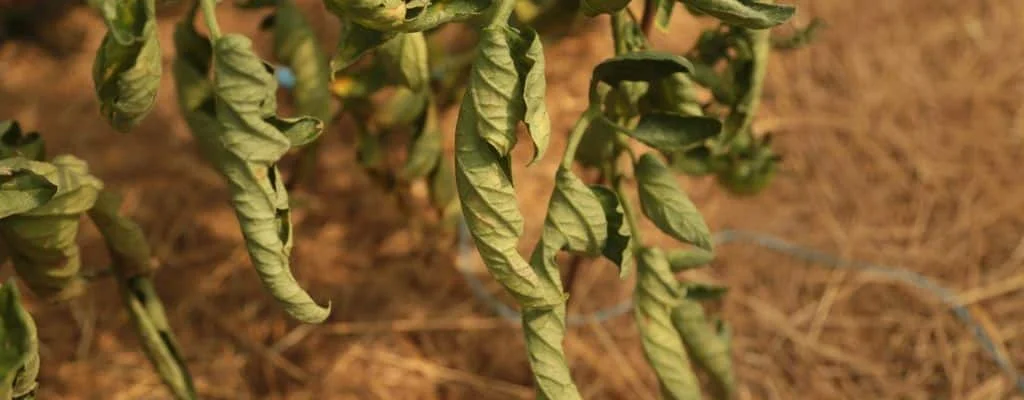
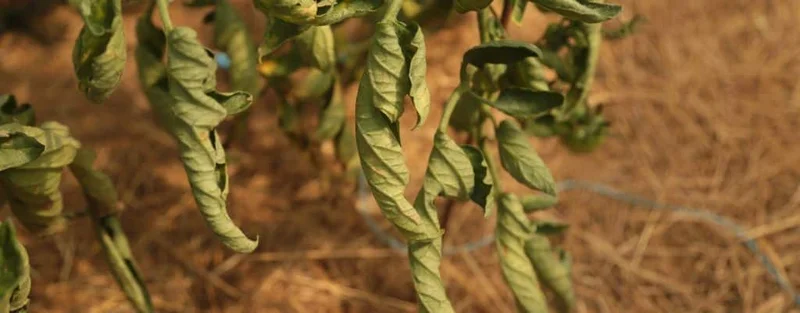
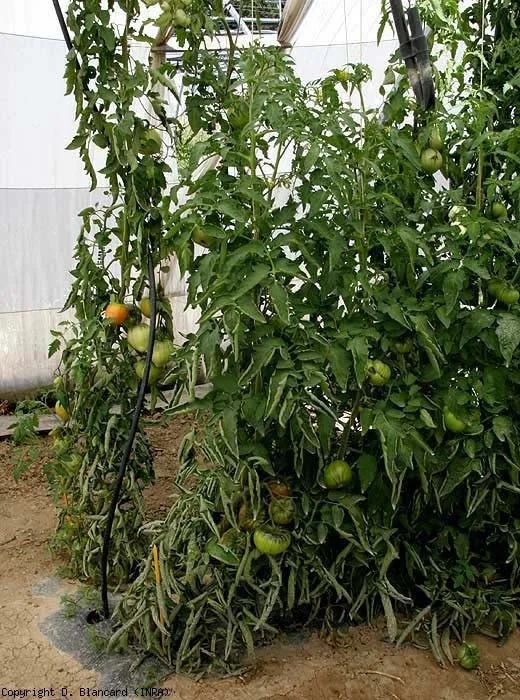
Leaf curl is a well-known phenomenon among tomato growers. Certain varieties, particularly the Cornue des Andes, are more prone to this issue. The curling often starts with the lower leaves and can progress to affect the entire plant. Leaves may curl upwards and may even close in on themselves, becoming thicker, brittle, and shiny.
Dominique Blancard, a former researcher at INRAE specializing in tomato diseases, explains, "This is a fairly common phenomenon seen in many gardens. Often, people overlook it, but it is primarily a problem of poor irrigation."
Causes of Leaf Curl
Irregular Watering
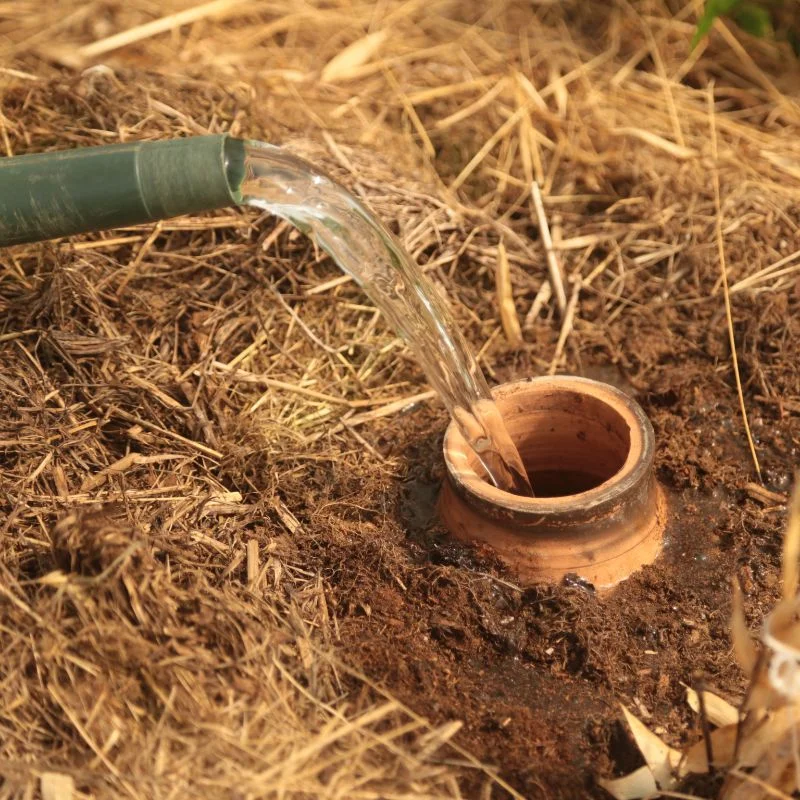
The most frequent cause of leaf curl in tomatoes is stress caused by inconsistent watering. Fluctuations between overwatering and prolonged dry spells can lead to this condition. Essentially, the plant experiences a lack of water at some points or too much at others. Excess water can also lead to root asphyxiation, which is just as detrimental as a lack of moisture.
If you resume a regular watering schedule, new leaves should grow normally. However, the plant may have reduced vigor due to a smaller leaf area for photosynthesis. For those growing tomatoes in greenhouses, installing an automatic watering system can significantly mitigate this issue. In outdoor gardens, managing rainfall is trickier, but it's generally not catastrophic, and you can still expect a good harvest.
Pests on the Foliage
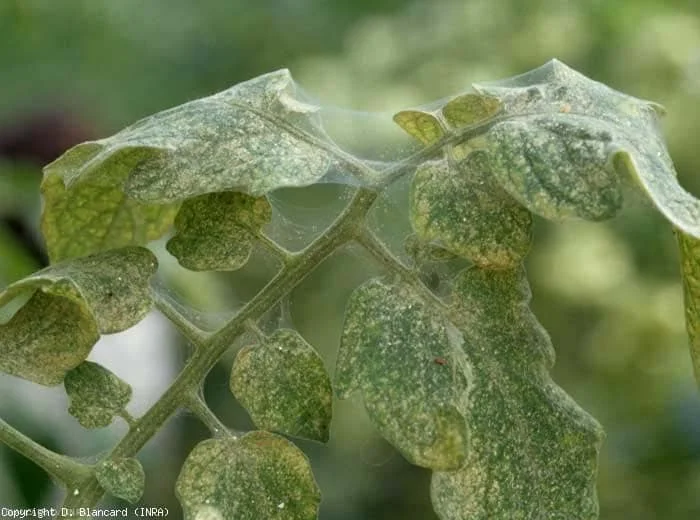
Leaf curl can also occur due to pests like spider mites or aphids, which feed on the plant's sap. In response, the tomato plant curls its leaves to minimize further damage. It's wise to check the undersides of curled leaves for any signs of these pests. Usually, the infestation isn't severe enough to harm your plants significantly.
Excessive Sunlight
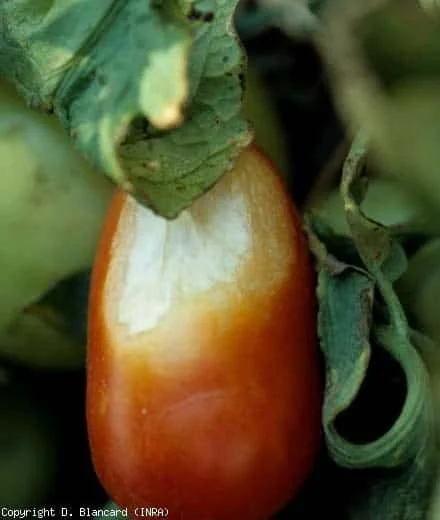
In cases of widespread leaf curl, tomatoes may also suffer from sunburn on their fruits, as the leaves provide less protection. This situation is rare but often coincides with water scarcity. When tomatoes are exposed to high temperatures and direct sunlight for extended periods, they may curl their leaves to reduce transpiration. This can lead to fruit drop and hinder plant growth, especially if strong winds exacerbate the drying effect on the foliage.
Nutrient Deficiencies
Specific mineral deficiencies, such as calcium, magnesium, or nitrogen, can manifest through leaf curl. These deficiencies may slow growth and increase plant sensitivity to water shortages, leading to curling. Without conducting a soil test, it can be challenging to identify the exact deficiency. However, applying a general organic liquid fertilizer can help, and preparing the soil well for the next season can prevent future issues.
How to Minimize Leaf Curl
Controlled Watering
As we've discussed, leaf curl is often linked to various factors. If the new leaves remain unaffected, there's no need for alarm. Regular watering is key to resolving the issue. Aim to provide a consistent amount of water based on weather conditions to alleviate the problem. For guidance on proper watering techniques, consider consulting resources on tomato irrigation.
Curled leaves remain curled Once a tomato leaf curls, it typically does not return to its original shape. As mentioned earlier, if only older leaves are affected, there's no cause for concern. Over time, these leaves may dry out and show signs of disease, at which point they can be pruned since they no longer contribute effectively to photosynthesis.
Monitor for Pests
If you notice your tomato leaves curling, it's crucial to check for small insects that may be sucking the sap. While this is uncommon and usually not a significant issue, it may require action. Often, beneficial insects like ladybugs, ground beetles, and spiders will help manage pest populations naturally. You can also rinse the foliage on a sunny day to dislodge any pests, taking care to allow the leaves to dry quickly to prevent disease.
Reduce Sun Exposure
For tomatoes exposed to harsh sunlight and winds, particularly in southern regions, consider providing shade during peak heat. Options include shade cloths, trellises, or planting trees that can shield the plants. If wind is a concern, installing windbreak nets or planting hedges can be highly effective. A hedge can reduce wind impact up to seven times its height, so a two-meter hedge can protect an area of about 14 meters behind it.
In conclusion, if your tomato leaves are curling, there's no need for panic. In most cases, this is a natural response to water stress. By observing and adjusting your care practices, you can enjoy a bountiful harvest of delicious tomatoes.