Understanding the Asian Flatworm: An Invasive Species in European Gardens
The Asian flatworm, an invasive species from Southeast Asia, is increasingly found in European gardens. While harmless to humans, it poses a threat to local biodiversity. Learn more about its identification, dangers, and removal.
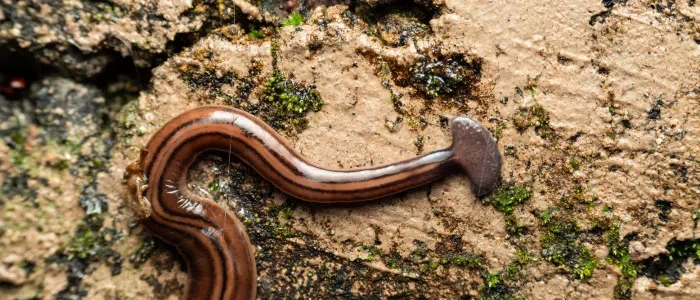
In recent years, European gardens, particularly in France, have been home to a peculiar creature: the Asian flatworm. This species, native to Southeast Asia, is classified as invasive. While it poses no threat to humans, it raises significant concerns regarding its impact on biodiversity 🪱. Here's what you need to know about this intriguing organism. 👇🏼
What is the Asian Flatworm?
The Asian flatworm, often referred to as the Asian terrestrial flatworm, belongs to the genus Bipalium within the Geoplanidae family. Unlike earthworms, it is easily identifiable by its distinct appearance and ecological role. These species, originally from Asia, have been unintentionally introduced to various regions worldwide through international trade. They are frequently found in potting soil, plant pots, or clumps of soil from exported vegetation, which aids in their spread. 🚢
Identifying the Asian Flatworm
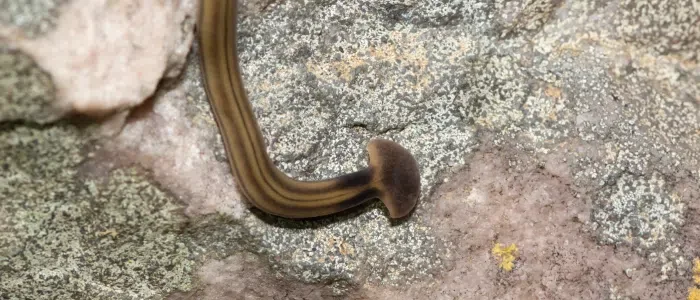
Recognizing an Asian flatworm is relatively straightforward. It features a flattened head shaped like a hammer or shovel and lacks the segmented body typical of earthworms. Its body is soft and coated in a shiny mucus that facilitates movement. The coloration ranges from brown to beige and gray, with some species exhibiting characteristic longitudinal stripes. Depending on the species, it can grow from a few centimeters to over 30 centimeters in length.
Unlike earthworms that burrow into the soil, the Asian flatworm moves slowly across the surface, aided by a thin layer of mucus. It is commonly found under stones, flower pots, in greenhouses, or in damp areas of the garden 🪨. This flatworm thrives in mild and humid climates, which allow it to reproduce through a process called scissiparity. Remarkably, it can give birth to a cloned offspring in just one week.
Is the Asian Flatworm Dangerous?
Generally, the Asian flatworm is not considered dangerous to humans. It does not bite or attack and tends to avoid contact with people. However, some species produce substances that can immobilize their prey, so it's advisable to handle them with care and wash hands afterward.
Pets such as dogs and cats are usually not at risk from these worms; nonetheless, it's best to prevent them from ingesting unknown animals.
The primary concern lies in the environmental impact of the Asian flatworm. As an invasive species, it disrupts local ecosystems by preying on small soil invertebrates, including earthworms, slugs, and snails. By diminishing certain populations, it can contribute to ecological imbalances. 🪱 Earthworms play a crucial role in soil aeration, organic matter decomposition, nutrient recycling, and soil structure enhancement. Thus, the Asian flatworm's presence can indirectly harm soil quality and plant growth. 👎🏼
How to Get Rid of the Asian Flatworm
Handling this species directly is not recommended, as their mucus can stick to your skin. If you accidentally touch one, it is strongly advised to wash your hands thoroughly. Use gloves or tools to handle the flatworm without direct contact. It is important not to release them in neighboring gardens or compost, as their eggs might survive. Crushing them is also not advisable, as they can reproduce. Pouring table salt on the worms can help eliminate them, but be cautious not to disperse harmful substances into the environment, as some may harm plants and soil organisms. 🌱
Reporting sightings can significantly aid research efforts. The National Museum of Natural History (MNHN) is developing citizen science initiatives to monitor the spread of invasive species. If you spot a hammerhead worm, take a clear photograph, ideally including a reference object like a coin to indicate its size. This observation can be submitted through the platforms of the National Inventory of Natural Heritage (INPN). Such contributions help scientists analyze the evolution of their distribution, understand their developmental conditions, and enhance predictive models. Every report strengthens the surveillance and understanding of these species. 👍🏼