Transplanting Large Trees: Common Mistakes and Hidden Risks
Explore the challenges and risks of transplanting large trees, including root issues, species sensitivities, and the importance of informed planting decisions.
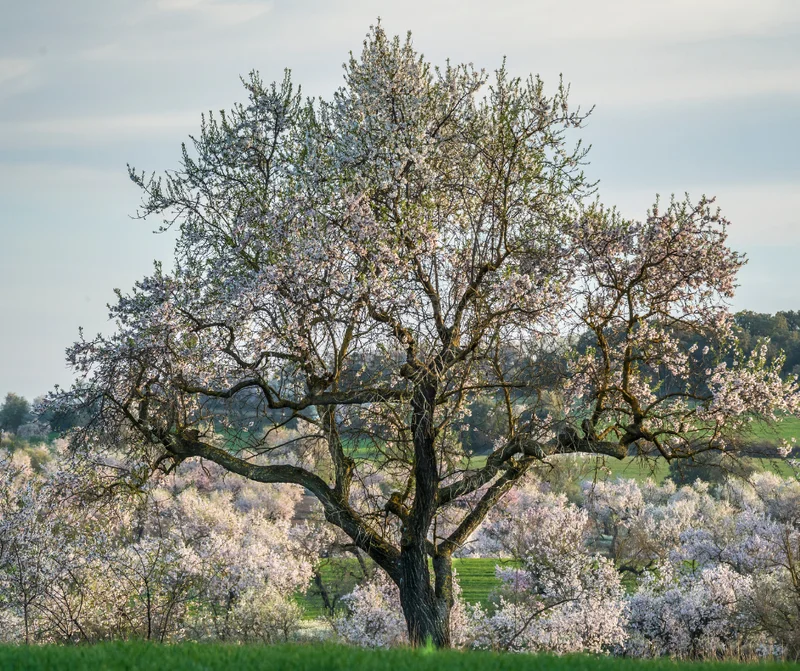
Today, I assisted a gardening friend with a challenging request from one of his clients. The client envisioned an immediate transformation of his garden by planting two large fruit trees—a cherry and an almond—each coming from 1000-liter pots. The desire for instant results is understandable, but I managed to persuade him to reconsider this potentially problematic decision.
THE APPEAL OF "BIG NOW"
The allure of having mature trees for instant shade, visual impact, and fruit production is compelling. The thought process is simple: plant large trees and enjoy the benefits right away. However, the reality is that the true challenges begin after the planting.
THE REAL ISSUE: POT-BOUND ROOTS
Trees that have been in pots for extended periods do not experience a normal growth cycle. Instead, they exist in a sort of green intensive care unit. While they might stand upright and even produce some flowers or fruit, their root systems suffer significantly. Over time, roots in containers tend to:
- Circle and form spirals
- Strangle themselves, limiting sap flow
- Lose fine root hairs essential for absorption
- Adapt to artificial environments with controlled watering and substrates
When you finally plant them in the ground, the hope is that they will thrive: "You are free now, go ahead." Unfortunately, they often remain stuck or collapse under stress from drought, wind, heat, improper irrigation, or hard soil.
CHERRY AND ALMOND: SPECIES THAT DISLIKE STRESS
Not all trees handle difficult transplants well. While cherry and almond trees can be beautiful additions, they are particularly sensitive to poor starts. If they struggle initially, you may face ongoing issues such as dieback, random branch death, weak regrowth, low fruit production, and heightened susceptibility to heat and nutrient deficiencies. In other words, everything may seem fine at first, but problems can emerge months or even a year later.
THE UNCONSIDERED RISK: RESPONSIBILITY FALLS ON THE GARDENER
This aspect is crucial for those in the profession. The client often purchases a visual enhancement, but the gardener is the one who physically handles the planting. If the tree suffers or dies later, the narrative shifts to: "You planted it, so it’s your fault." This scenario can lead to:
- Constant phone calls
- Replacement requests
- Debates over impossible guarantees
- Negative reviews
- Time wasted on conflict management
The risk is substantial, especially given the often slim profit margins in this line of work compared to the potential fallout.
WHEN IT MAKES SENSE TO PLANT LARGE TREES
There are instances when planting large trees can be appropriate, but certain conditions must be met:
- Healthy, well-grown plants, not those that have been "parked" in pots for years
- A controllable root system, not one in spirals
- Proper planting methods (hole size, soil quality, drainage, anchoring, timing)
- Serious watering and monitoring for at least 24-36 months
- An informed client aware of the risks and management costs
If any of these elements are missing, it becomes a gamble. And when that gamble could cost thousands, someone is likely to be unhappy.
THE SMART ALTERNATIVE: LESS SHOW, MORE FUTURE
If a client desires a fruit tree, a more reliable approach often involves younger, high-quality plants that are planted properly with a straightforward care plan. While these may not provide immediate impact, they:
- Establish better root systems
- Adapt more effectively to real soil conditions
- Grow more evenly
- Present fewer problems
- Cost significantly less
Most importantly, they contribute to a resilient garden rather than a mere photo backdrop.
IF THE CLIENT INSISTS: HOW TO PROTECT YOURSELF WITHOUT CONFLICT
Sometimes clients may demand, "I’m paying for this, I want large trees, period." In such cases, it is wise to clarify expectations. Two practical options include:
- No warranty on the plant, with payment covering installation and management, placing the risk on the client
- Mandatory maintenance plan (irrigation, monitoring, light pruning), with written conditions
This is not about being harsh; it’s about being realistic. A stressed adult tree is not just a product; it’s a living organism that can fail despite your best efforts.
SOMETIMES THE REAL WORK IS SAYING "NO"
In this case, my friend successfully avoided a looming headache. The client, if he chooses to waste his money, will do so at his own risk without dragging the gardener into the mess. If you often encounter requests for instant gratification, take a moment to reflect. Ask yourself: does this choice contribute to a lasting garden, or am I merely planting future problems?
If you’d like to discuss your own situation, feel free to reach out. If we share similar views, I can help you select plants and solutions that truly thrive in your climate and soil. Remember, the future of your garden depends on the choices you make today.