The Garden: A Thorny Friend to Hedgehogs and Protector of Crops
In gardening, certain plants are often viewed as undesirable. However, among these frequently uprooted species are unexpected allies for our gardens. Discover how the spiny nettle attracts hedgehogs and protects your crops.
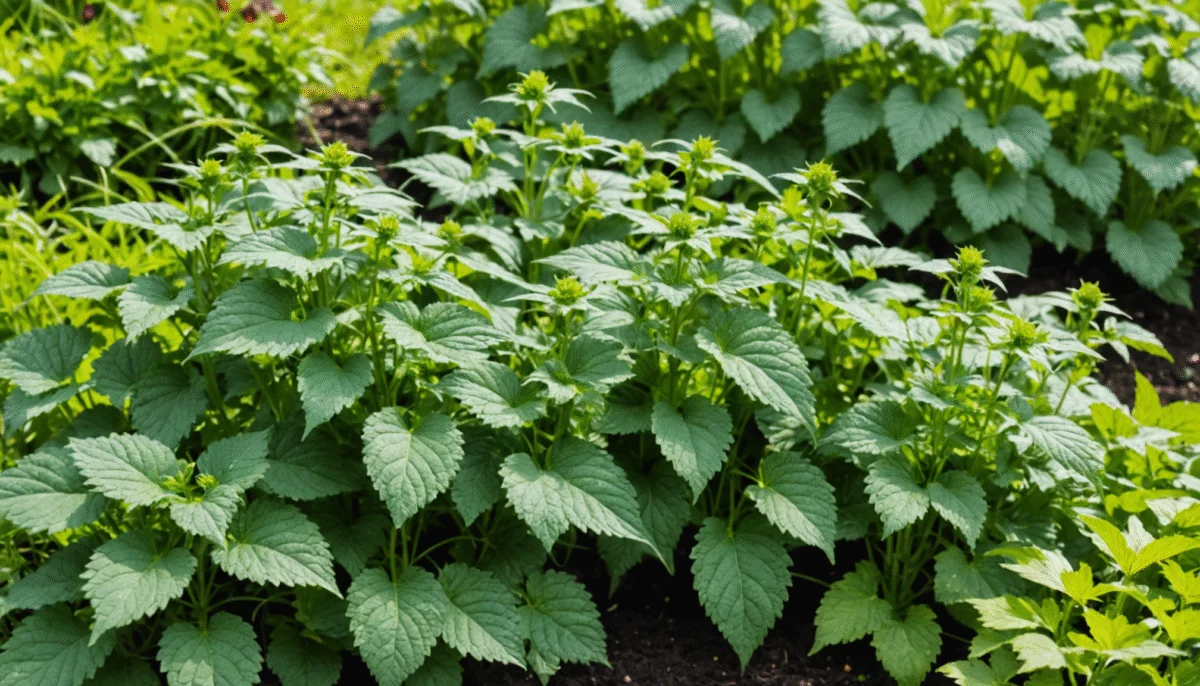
In the realm of gardening, certain plants are often labeled as undesirable. However, among these frequently uprooted species lies an unexpected ally for our gardens. It’s time to reconsider the spiny nettle, a plant that not only attracts hedgehogs but also effectively safeguards your crops. Biodiversity in the garden extends beyond just planting roses or tomatoes; it includes these hedgehog-friendly plants. Embracing an ecological garden can lead to delightful surprises!
Nettles: The Spiny Plant at the Heart of Natural Gardening
Nettles, often viewed as intruders in our gardens, possess remarkable benefits for biodiversity. Their prickly leaves serve as a natural defense against certain pests. But their advantages don’t end there!
Nettles attract a diverse array of wildlife, particularly the charming hedgehogs. These small mammals feast on the insects that thrive around nettles. This attraction fosters a natural balance, reducing the proliferation of pests that could harm your vegetable garden.
In addition to attracting these essential helpers, nettles play a crucial role in crop protection. They enrich the soil and enhance resilience against climatic fluctuations. Discover why it’s wise to allow a small patch for nettles in your garden by exploring this detailed article.
- Attracts beneficial insects
- Provides a habitat for hedgehogs
- Enriches and protects the soil

Hedgehogs: Invaluable Allies of the Ecological Garden
Hedgehogs are true gladiators of the natural garden. Their diet primarily consists of slugs, snails, and other harmful insects. By attracting hedgehogs with nettles, you gain an effective biological control method against certain pests.
These little creatures not only promote the health of your plants but also help maintain a resilient flora in your garden. By strategically planting nettles, you create an ideal habitat for hedgehogs, encouraging their long-term presence. For a deeper understanding of this ecosystem, delve into this enlightening article.
- Planting nettles in a designated corner of the garden
- Observing the surrounding wildlife
- Natural increase in hedgehog populations
The Hidden Benefits of Nettles for Crop Protection
Beyond attracting hedgehogs, nettles provide incredible protection for your crops. Their multiple properties make them a significant ally for gardeners looking to preserve their plants without resorting to chemical products.
For instance, nettle maceration is often used as a natural fertilizer. Rich in nitrogen and minerals, this homemade fertilizer strengthens plants' defenses against diseases. Nettles also serve as a natural repellent against certain harmful insects.
Moreover, nettles are generous. They not only enrich the soil but also regenerate essential nutrients, contributing to the overall health of your crops. Skeptical? Discover all the advantages of keeping this plant in your garden through this inspiring article.
- Repels harmful insects
- Reduces crop damage
- Improves soil quality
- Enhances nutrient content
- Acts as a natural fertilizer
- Stimulates plant growth
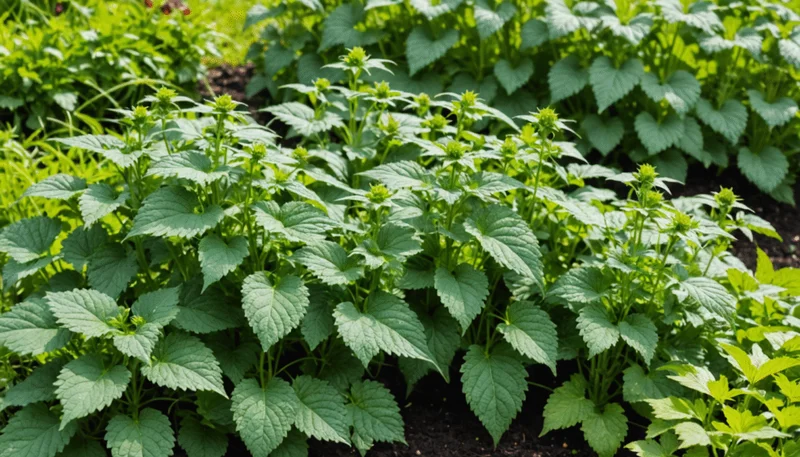
The Role of Ground Cover Plants in a Resilient Garden
Ground cover plants, such as nettles, play a pivotal role in creating a resilient and ecological garden. By preventing the spread of weeds and promoting soil regeneration, these plants foster an environment conducive to garden biodiversity.
Additionally, ground cover plants act as natural mulch. They retain soil moisture and protect roots from temperature fluctuations. This shielding effect is particularly beneficial during dry spells.
Welcoming ground cover plants into your garden offers a nurturing refuge for various small animals and insects, essential for maintaining ecosystem balance. To learn how integrating these plants into your green space can transform your gardening approach, immerse yourself in this fascinating article.
- Limits weed growth
- Maintains soil moisture
- Protects roots from temperature extremes
How to Foster Resilient Flora for Sustainable Biodiversity
For a natural and harmonious garden, it is crucial to invite plants that adapt and thrive under various conditions. Nettles, with their robust nature, are perfect for enhancing garden biodiversity. They contribute to an ecosystem where flora and fauna intertwine and support one another.
By cultivating hedgehog-friendly plants like nettles, you lay the groundwork for a strong and dynamic biodiversity. This setup is not instantaneous but promises enduring results, provided one is patient and committed to an environmentally respectful approach.
To start, consider designating an area in your garden for resilient flora cultivation. Choose species that complement the nettles and observe how the natural balance establishes itself. For practical advice and detailed guidance, read this article on best practices for maximizing biodiversity in your garden.
- Complementary species
- Ecological benefits
- Tansy
- Repels aphids
- Nasturtium
- Repels whiteflies
- Borage
- Strengthens tomato defenses
Article Overview
- Nettles: The Spiny Plant at the Heart of Natural Gardening
- The Hidden Benefits of Nettles for Crop Protection
- The Role of Ground Cover Plants in a Resilient Garden
- How to Foster Resilient Flora for Sustainable Biodiversity