The Essential Role of Onions (Allium cepa) in the Kitchen and Tips to Prevent Tears
Explore the essential role of onions in gardening and cooking, with tips on cultivation, harvesting, and storage.

The Essential Role of Onions (Allium cepa) in the Kitchen and Tips to Prevent Tears
August 6, 2026
Onions are a staple in both home gardens and culinary traditions, celebrated for their rich flavor and nutritional benefits. Originating from Central Asia, this bulbous plant thrives in various climates and is suitable for both novice and experienced gardeners. This article provides practical guidance on onion cultivation, harvesting, storage, and variety selection to enhance your yields. Included are agronomic insights that assist in planning sowing and maintaining vegetable plots.
Ideal Soil and Exposure for Successful Onions
Successful onion cultivation begins with the right soil. Onions thrive in light, organic-rich, and well-drained soil. Heavy, compacted soils often lead to irregular bulb shapes and increase susceptibility to diseases.
Climate also plays a crucial role. A sunny location promotes bulb formation and minimizes rot issues. However, young plants can be vulnerable to harsh frosts, so early sowings may require protection.
Adding well-decomposed compost before sowing improves soil structure. Implementing crop rotation helps prevent the buildup of pests specific to Allium species and maintains the overall health of the garden.
When to Sow and Plant Onions
Sowing schedules depend on your goals: whether for long-term storage or early harvest. Generally, onions intended for storage are sown from late winter to early spring, while those for early harvesting are planted at the end of summer. In milder climates, bulbs can also be planted in winter.
Spacing is important for bulb size. A distance of 25 to 30 cm between rows and 8 to 12 cm between plants allows ample room for growth. Thinning to 15 cm helps achieve optimal bulb size.
In most temperate regions, bulb planting occurs in February and March. Protected sowing under frames can advance the season and yield vigorous plants. Monitor soil moisture to prevent seedling damping off.
Caring for and Watering Your Onion Plants
Successful onion growth requires regular weeding to control unwanted plants without damaging the bulbs. Light mulching retains moisture and suppresses weeds, particularly during the active growth phase of the bulb. Careful handling of tools prevents harm to shallow roots.
Water management should be balanced. Onions are more tolerant of dry spells than excessive moisture, which can lead to fungal diseases. Water only during prolonged dry periods and cease irrigation before bulb maturation.
- Key Maintenance: Regular weeding, mulching, thinning.
- Watering: Moderate during growth, reduced as leaves begin to dry.
- Fertilization: Compost for seedbed preparation, moderate nitrogen at the start.
When to Harvest and How to Store Onions
Harvesting occurs when the foliage turns yellow and falls over, indicating that the bulb has completed its growth. Summer onions are typically harvested in spring, while winter varieties are collected in late summer or early autumn, depending on the type. It’s best to harvest during dry weather to facilitate drying.
After pulling, drying onions in the sun or in a well-ventilated area for 2 to 5 days helps to cure the protective skins. Healthy bulbs store better in low humidity and with adequate ventilation.
For long-term storage, place onions on racks or hang them in braids in a cool, dark location. Some varieties can also be pickled or preserved in vinegar to extend their culinary use. Storage methods vary based on the variety and the quality of initial drying.
Diseases and Pests to Watch For
Several threats arise, particularly in humid conditions and with poor crop rotation. Damping off, downy mildew, and botrytis can affect leaves and necks. The onion fly (Delia antiqua) lays eggs at the base of plants, causing significant damage during cool, moist periods.
Preventive measures are the most effective strategy. Ensuring good soil aeration, removing infected debris, and maintaining proper spacing can reduce pathogen pressure. In cases of localized infestation, uprooting and destroying affected plants can help limit spread.
Companion Planting with Onions
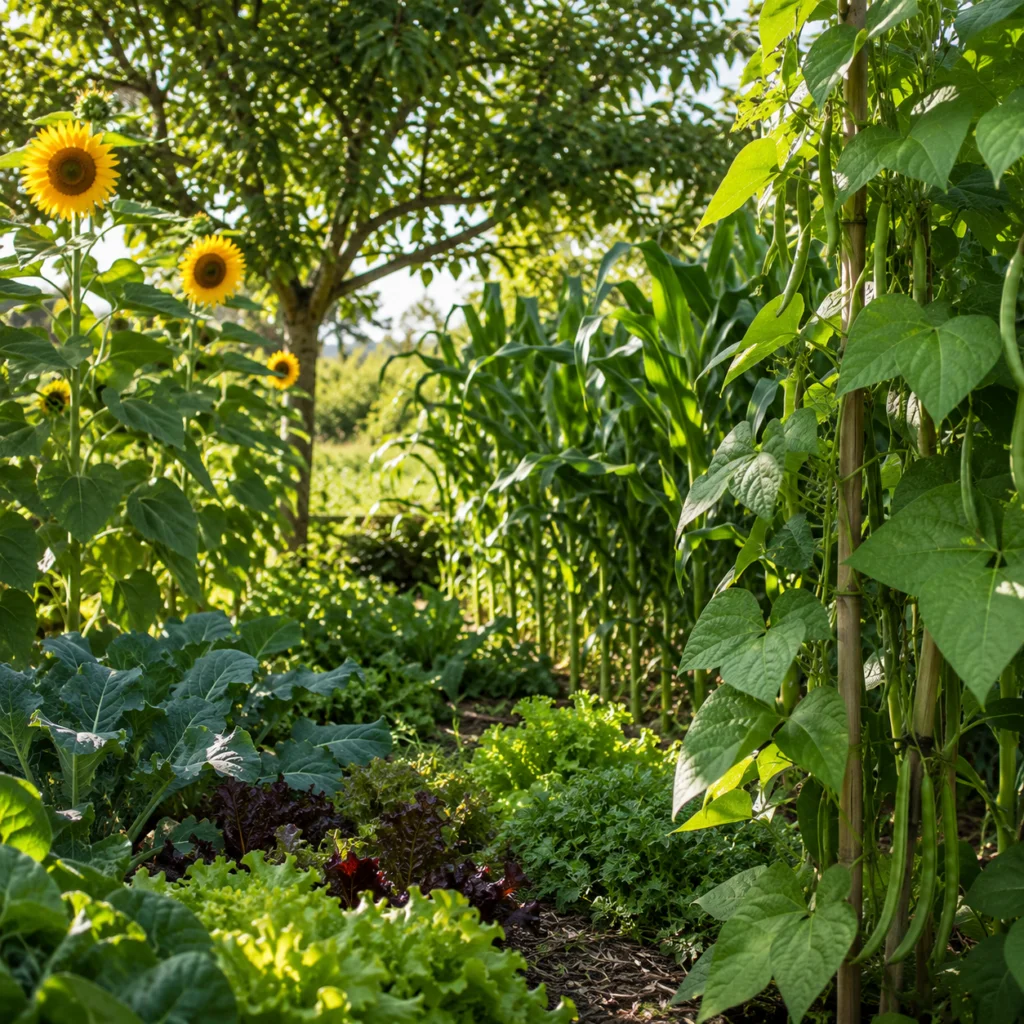
Onions fit well into traditional companion planting schemes. Their non-competitive roots allow for close planting with carrots, lettuce, and beets, optimizing space and reducing pest attacks through repellent effects.
Conversely, avoid planting onions near legumes and potatoes, as these can reduce yields or promote shared diseases. Implementing a three-year crop rotation among plant families is advisable to maintain soil fertility and health.
Choosing Onion Varieties for Your Garden
The Allium genus includes a wide range of varieties suited for different uses: fresh consumption, long-term storage, or sweet bulb production. Onions vary by skin color, flavor, and storage capabilities. Some varieties are recognized for their local characteristics that ensure unique taste profiles.
Select based on your intended use. For quick consumption, opt for early white onions. For winter storage, consider yellow onions with thick skins. Red onions add a milder flavor and vibrant color to dishes.
The table below summarizes the practical characteristics of key types to assist in your selection based on climate and culinary use.
| Type | Examples | Benefits | Harvest | |-------------------|------------------------------------|--------------------------------|-----------------------| | White Onion | Blanc de Paris, Early Varieties | Fresh taste, quick harvest | Spring | | Yellow Onion | Yellow Paille, Yellow de Mulhouse | Good storage, versatile | Late summer to autumn | | Red Onion | Red de Florence, Brunswick | Mild flavor, aesthetic appeal | Late summer | | Pink Onion | Roscoff, Cuisse de Poulet | Fragrant flavor, regional quality | Late summer | | Perpetual Onion | Rocambole | Vegetative propagation, staggered harvests | Variable |