The Agricultural Shelter Tunnel: A Revolutionary Solution for Farm Equipment Protection
The agricultural shelter tunnel is a versatile and economical solution for protecting farm equipment, livestock, and crops, offering significant advantages in durability and cost-effectiveness.
The agricultural shelter tunnel has emerged as one of the most effective and economical solutions for farming professionals. This versatile structure revolutionizes the protection of equipment, livestock, and crops. Whether you are a livestock breeder, cereal farmer, or market gardener, the shelter tunnel is tailored to meet your specific needs. Its innovative design combines durability, practicality, and cost-effectiveness. Agricultural tunnels provide optimal protection for storing forage, agricultural machinery, and livestock, thanks to a steel structure and rapid assembly. This foundation-free solution allows for flexible installation on all types of agricultural land.
What is an Agricultural Shelter Tunnel and Why is it Essential?
An agricultural shelter tunnel is a semi-cylindrical structure made from galvanized steel arches and a high-resistance PVC protective cover. This multipurpose solution serves as a tunnel shelter for livestock, forage storage, and protection for agricultural equipment.
Its aerodynamic shape offers excellent wind resistance, while its modular design allows for size adjustments based on your requirements. Standard widths range from 6 to 15 meters, with customizable lengths. The ridge height typically reaches 3 to 4 meters, optimizing vertical storage space.
The lack of heavy foundations is a significant advantage. The shelter tunnel is anchored directly to the ground or buried, greatly reducing installation costs and timeframes.
Diverse Applications of the Shelter Tunnel in Modern Agriculture
Protection and Storage of Agricultural Equipment
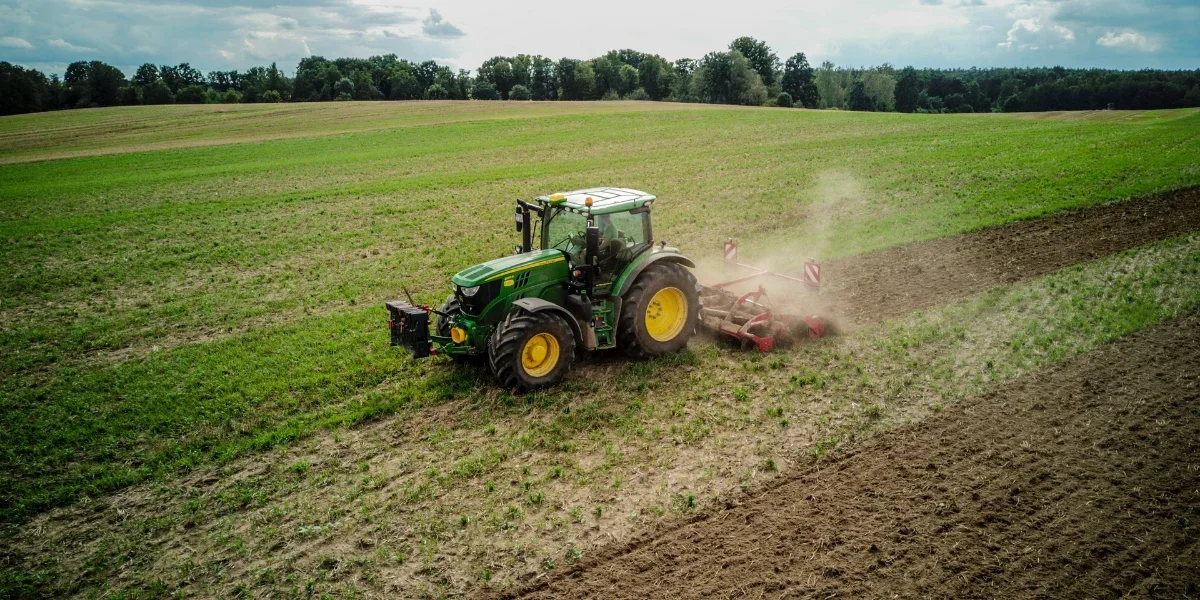
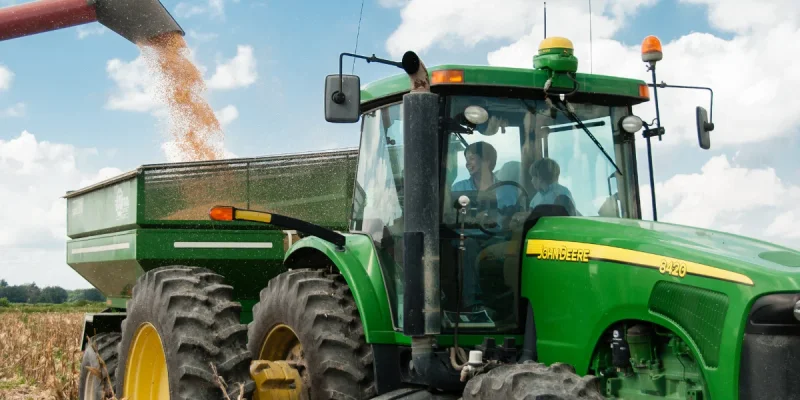
The shelter tunnel excels at protecting expensive agricultural machinery. Tractors, combine harvesters, sprayers, and other equipment find an ideal refuge from the elements. This preventive protection significantly extends the lifespan of the equipment and reduces maintenance costs.
The space generated also allows for the storage of tools, spare parts, and agricultural supplies. The natural ventilation of the shelter tunnel helps keep the equipment dry and free from corrosion.

Shelter for Livestock and Animal Welfare
The shelter tunnel is typically placed on bare soil, in a pasture or large area, with anchoring achieved by burying the cover. This setup creates a protected environment for cattle, sheep, goats, or poultry.
The tunnel shelter promotes thermal comfort for animals in both summer and winter. Natural air circulation prevents overheating, while protection from wind and rain maintains optimal breeding conditions.
Preservation and Storage of Forage
One of the most common uses for the shelter tunnel is forage storage. Hay, straw, silage, and animal feed benefit from complete protection against moisture and weather conditions.
This optimal preservation maintains the nutritional value of the forage and avoids economic losses due to spoilage. The shelter tunnel also allows for organized storage, facilitating handling and distribution.
How to Choose the Perfect Shelter Tunnel for Your Operation?
Dimensions and Storage Capacity
The sizing of the shelter tunnel depends on your specific needs. For standard equipment storage, a width of 6 meters is ideal. Larger operations may opt for widths of 9, 12, or 15 meters.
Length should be determined based on the desired storage capacity. Approximately 20 linear meters are needed to shelter 2 to 3 medium-sized agricultural machines. For forage, plan for 2 square meters per ton stored.
Durability and Construction Materials
The galvanized steel structure ensures optimal resistance to corrosion and mechanical stress. Tubes measuring 40×80 mm or 50×100 mm provide robust strength against snow loads and high winds.
The standard professional quality PVC cover weighs 680 g/m², offering excellent resistance to UV rays, tears, and climate variations. UV and fire-resistant treatments extend the lifespan of the cover.
Ease of Assembly and Installation
The agricultural storage tunnel comes ready to assemble, complete with detailed instructions for quick setup. Prefabrication in the workshop ensures precise and efficient assembly on-site.
Installation typically requires 2 to 3 people and can be completed in one day for standard models. Fixing systems using elastic cords or straps facilitate tensioning and securing of the cover.
Economic and Technical Advantages of the Shelter Tunnel
Cost-Effectiveness and Return on Investment
The shelter tunnel offers excellent value for money compared to traditional permanent structures. The cost per square meter is 3 to 5 times lower than that of equivalent masonry buildings.
The absence of construction permits for removable structures simplifies administrative processes. This regulatory flexibility speeds up implementation and reduces ancillary costs.
Performance and Longevity
The design of the shelter tunnel withstands even the harshest weather conditions. Wind resistance tests for professional models reach up to 120 km/h, while they can support snow loads of 75 kg/m².
The lifespan is estimated at 15 to 20 years with minimal maintenance. Replacing the cover after 12-15 years remains economically advantageous compared to permanent alternatives.
Mobility and Versatility
The removable shelter adapts to all your storage needs thanks to its flexible design. This mobility allows for repositioning the structure according to evolving agricultural needs or crop rotations.
The versatility of the shelter tunnel allows for multiple seasonal uses: winter storage of equipment, summer shelter for animals at pasture, and protection for harvests in autumn.
Installation and Maintenance: Practical Guide for the Shelter Tunnel
Site Preparation and Foundations
The installation site should have a flat and drained surface. A rough leveling is sufficient, without the need for a concrete slab. Preparation includes weeding and lightly compacting the soil.
For soft soils, installing peripheral concrete beams enhances anchoring. This hybrid solution combines the flexibility of the shelter tunnel with the stability of lightweight foundations.
Anchoring and Fixing Techniques
Ground anchoring is done using various methods depending on the nature of the terrain. Burying the cover 30 cm deep is suitable for stable soils. Concrete plates with threaded rods secure the installation on rocky terrains.
Helical anchors or driven piles enhance stability in windy areas. These deep anchoring systems ensure exceptional hold against extreme climatic conditions.
Regulations and Standards for Agricultural Shelter Tunnels
Agricultural shelter tunnels benefit from a favorable regulatory framework. Removable structures under 2,000 m² typically do not require construction permits. A prior declaration may suffice depending on local municipalities and regulations.
European standards EN 13782 govern the design and manufacturing of textile structures. These standards ensure the safety, durability, and performance of professional shelter tunnels.
Compliance with Eurocodes guarantees calculated resistance to local climatic loads. This professional certification secures the investment and simplifies insurance processes.
Conclusion: The Shelter Tunnel, a Strategic Investment for Your Success
The shelter tunnel is more than just a storage solution: it is a strategic investment for the longevity of your agricultural operation. Its versatility, durability, and cost-effectiveness make it an indispensable ally for discerning professionals.
Key Advantages Recap:
- Economy: cost is 3 to 5 times lower than traditional buildings
- Flexibility: rapid installation without heavy foundations, removable and repositionable structure
- Versatility: protects equipment, shelters livestock, stores forage, and has multiple seasonal applications
Don’t wait any longer to effectively protect your agricultural investments.