Smart Gardening: How Technology is Transforming Our Gardens
Explore how smart technology is revolutionizing gardening with innovations like soil sensors, automated irrigation, and robotic lawn mowers, making gardening more efficient and accessible.
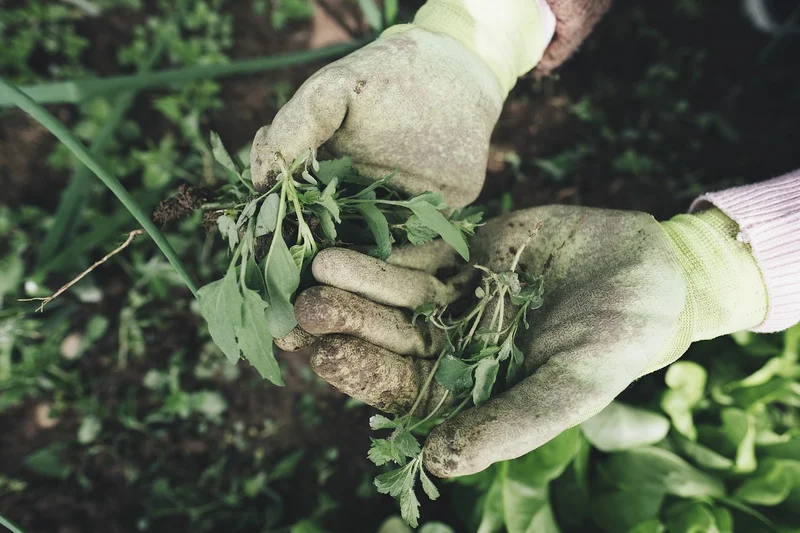
In recent years, technology has extended beyond our homes and made its way into our gardens. Innovations such as smart irrigation systems, connected sensors, and robotic lawn mowers are changing the landscape of gardening for both amateur and professional gardeners. This technological evolution is making gardening more precise, eco-friendly, and accessible than ever before.
One of the standout innovations is soil sensors, which can measure moisture levels, temperature, and pH in real-time. These small devices, connected to mobile applications, provide a detailed overview of plant needs. Gardeners no longer have to water blindly or guess the state of the soil; instant analysis and automatic recommendations make the process more efficient.
Another rapidly growing tool is automated irrigation systems. By connecting to local weather data, these systems adjust watering schedules based on current conditions, significantly reducing water consumption and promoting healthier plants. This technology appeals not only to urban gardeners with small balconies but also to those with larger vegetable plots.
Robotic lawn mowers are gaining popularity as they offer complete autonomy. They operate quietly and accurately, covering large areas while avoiding obstacles and returning to their charging stations when needed. Some models can even be controlled remotely through mobile applications.
Connected gardening is not solely about automation. Numerous mobile applications now provide personalized advice, reminders for planting or harvesting, and even scheduling based on lunar phases or seasonal changes. Thanks to artificial intelligence, these recommendations are becoming increasingly tailored to specific plant types, soil conditions, and climates.
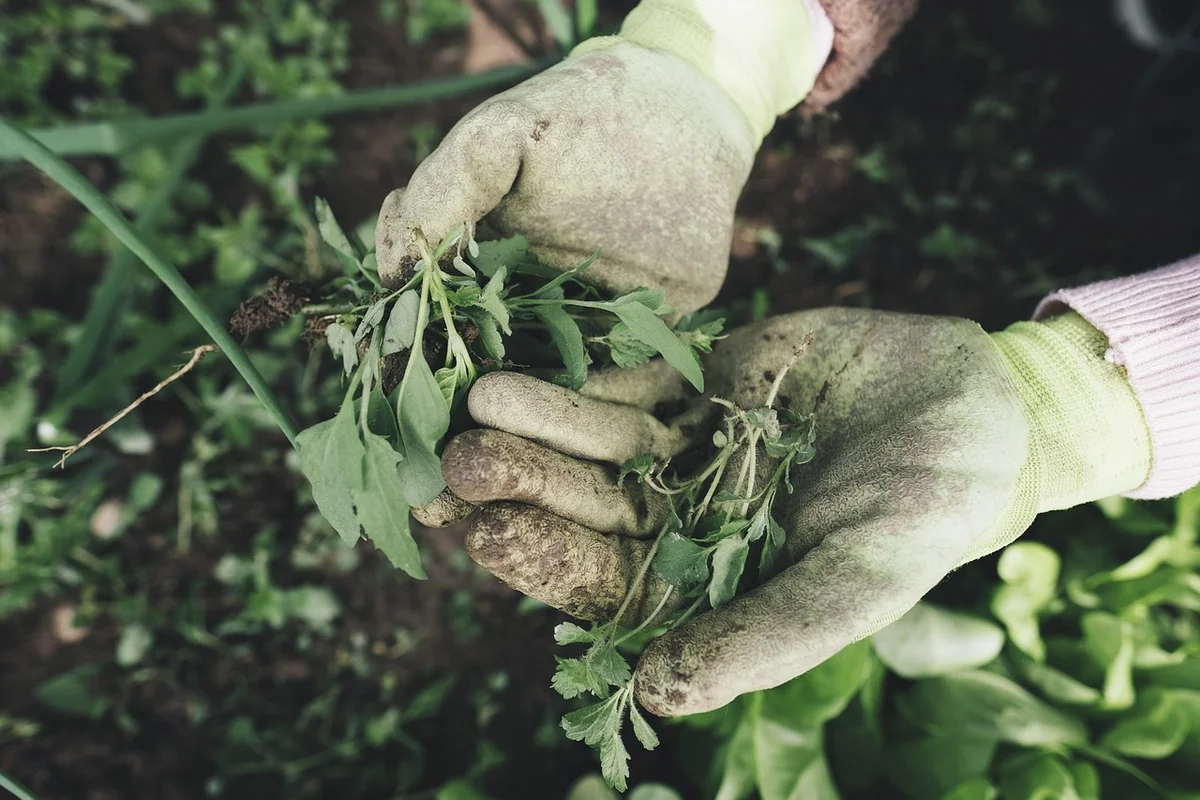
Despite these advancements, gardening remains a hands-on activity that requires contact with the earth, tool manipulation, and repetitive motions. To ensure safety and comfort, proper gardening gear is essential. Wearing good gardening gloves protects hands from cuts, stings, and dirt while allowing for precise movements.
Ultimately, technology does not replace the joy of gardening; it enhances it. These innovations support, secure, and optimize the gardening experience. With these advancements, anyone can maintain their green space more effectively while respecting nature. The garden evolves into an intelligent space that balances innovation with tradition.
Looking ahead, even more innovations are expected in this field. For instance, image recognition technologies are beginning to be integrated into applications that can identify plants, detect early signs of disease or nutrient deficiencies, and suggest appropriate treatments. This evolution transforms gardeners into true nature technicians, capable of anticipating issues rather than merely reacting to them.
Miniature agricultural drones are also being tested for home green spaces. These drones could soon help map gardens, monitor crop growth, and even assist with artificial pollination. Functions once reserved for professionals are now becoming accessible to everyday gardeners.
In this context, education and awareness of these new practices are paramount. Future gardeners will need to balance traditional tools with digital interfaces to maximize their interaction with the plant world.