Should You Mist Your Plants During Extreme Heat?
Exploring the benefits and considerations of misting plants during extreme heat, including the impact on plant health and disease management.
Introduction🌱
As temperatures soar above 30°C for several consecutive days, gardening advice proliferates across various platforms. One of the most frequently mentioned tips is:
"Never water the leaves; it promotes diseases."
This piece of advice has become so ubiquitous that it is often repeated without question.
However, like many gardening rules, this one deserves a more nuanced perspective.
While it is true that certain fungal diseases thrive in moist conditions, this does not mean that any water on a leaf is detrimental. In fact, under specific circumstances, particularly during intense summer heat, misting the foliage can offer several benefits.
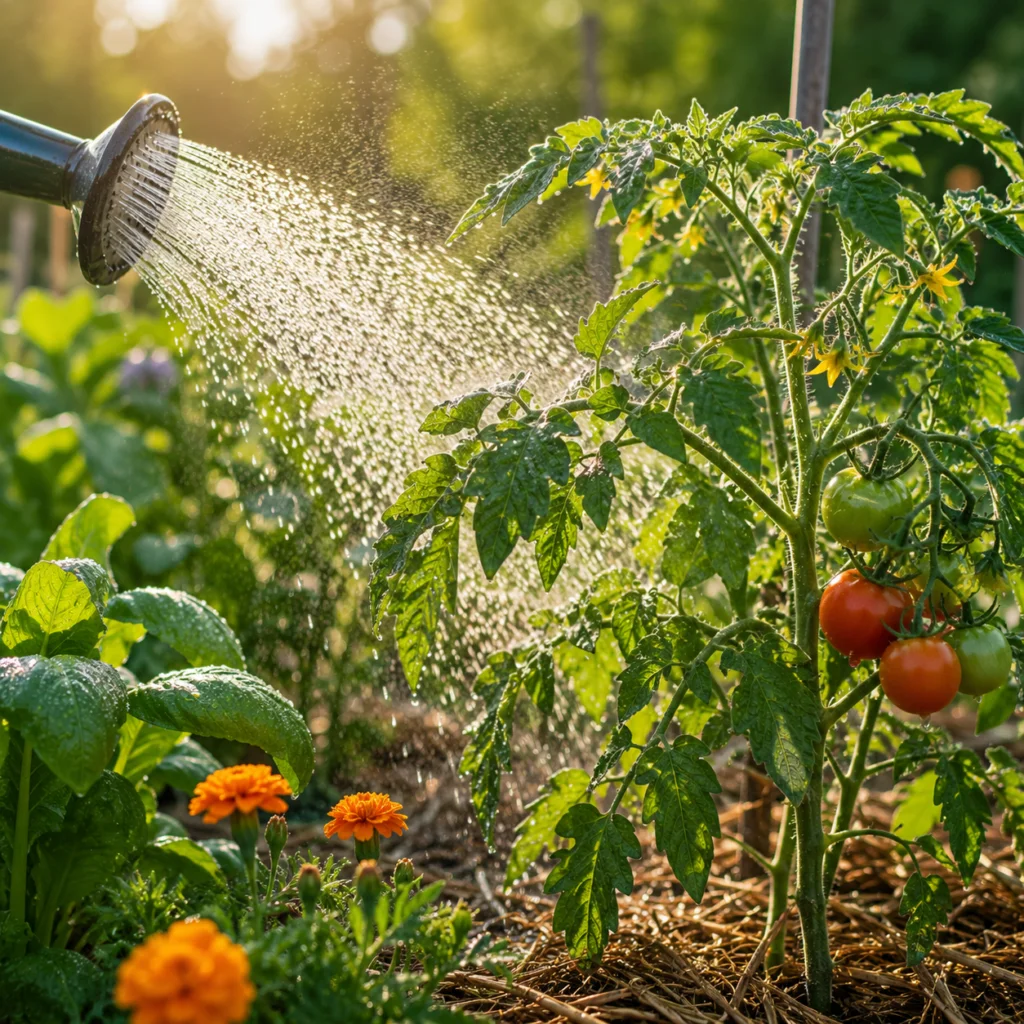
For several years, I have regularly practiced what could be termed a "plant shower" during heat waves. This is not done indiscriminately or at any time, but rather as a tool among others to help plants endure these challenging periods.
Why Do Plants Suffer in Extreme Heat?
When we feel hot, our bodies sweat to help cool down. Plants employ a similar mechanism.
Water absorbed by the roots travels through the plant's tissues and escapes through tiny openings on the leaves called stomata. This evaporation aids in cooling the plant.
However, when temperatures rise significantly, coupled with dry air and wind, water loss can escalate dramatically.
In such situations, the plant faces a dilemma: it must continue to cool itself while avoiding excessive water loss.
To protect themselves, plants gradually close their stomata. This response helps conserve water but also slows down photosynthesis and growth. During prolonged heat waves, certain crops may operate at a reduced capacity, even when the soil still contains moisture.
Do Diseases Really Prefer Wet Leaves?
The answer is yes, but only under specific conditions.
Fungi that cause leaf diseases require several factors to thrive: sufficient humidity duration and favorable temperatures. Ideal conditions typically range between 18 and 25°C, with foliage remaining damp for several hours.
Conversely, during a 35°C afternoon, with dry air and a light breeze, a wet leaf usually dries in a matter of minutes.
This is far from the conditions that most fungal pathogens seek. It’s crucial to distinguish between persistent rain accompanied by mild temperatures and a brief misting during a heatwave. In the former, fungi find a favorable environment; in the latter, water serves primarily to cool.
The Leaf Hosts a Living Ecosystem
When discussing garden microbiology, the focus often lies on the soil. However, leaves also host a multitude of bacteria, yeasts, and microorganisms on their surfaces.
This ecosystem, sometimes referred to as the phyllosphere, contributes to the plant's health. Certain bacteria on leaf surfaces can protect the plant from disease attacks.
Like all forms of life, these populations are influenced by their environment. Extremely hot and dry periods can diminish their activity.
While misting the foliage won’t revolutionize this balance, introducing occasional moisture during extreme conditions can help create a less hostile environment for these microscopic inhabitants.
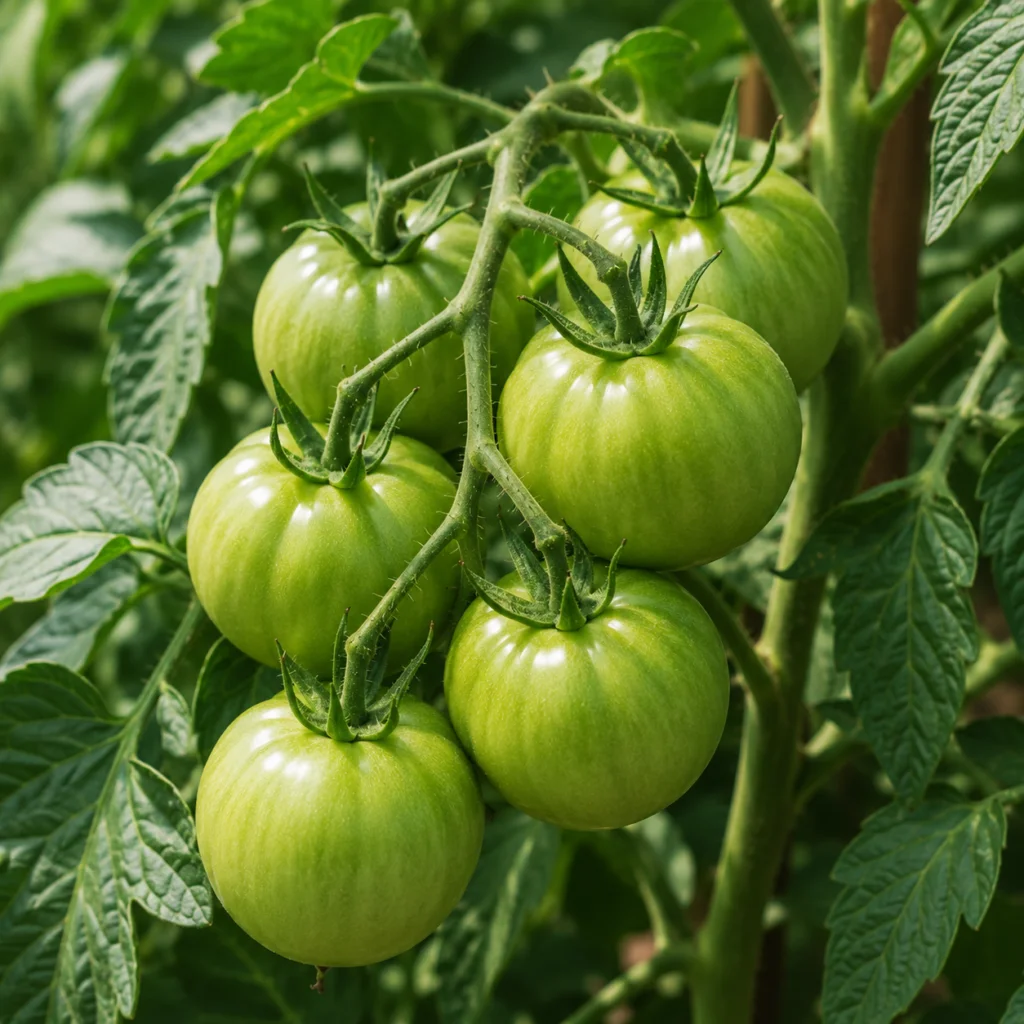
The Case of Tomatoes
Tomatoes present a particularly interesting case. When temperatures rise significantly and the air becomes extremely dry, the issues extend beyond the leaves. The plant's reproduction can also be affected.
Tomato pollen is sensitive to high heat. Beyond a certain threshold, pollen grains dry out, losing viability and failing to fertilize flowers properly. Consequently, these flowers may abort or remain sterile, even if the plant appears healthy.
Many gardeners have observed this phenomenon during heat waves: plants continue to grow and flower, but the flowers dry up and fall off. In such cases, the problem may not stem from a lack of water or nutrients, but rather from unfavorable climatic conditions for pollination.
Misting Your Plants: Timing is Key
If you choose to mist your plants, the timing is crucial.
The goal is not to leave the leaves wet overnight, which could indeed promote certain diseases. Additionally, watering during the peak sun hours when water evaporates almost instantly is not advisable.
I personally prefer to mist during the late afternoon or early evening when temperatures start to drop but remain sufficiently warm for the foliage to dry relatively quickly.
Observe Rather Than Adhere to Absolute Rules
As is often the case in gardening, it can be tempting to seek a one-size-fits-all rule.
However, conditions vary widely depending on the region, crop, current climate, and the plants' health. A recommendation that is perfectly applicable in a humid greenhouse during spring may not hold true during a week of 38°C in the height of summer.
Thus, observation is key.
When temperatures are moderate and nights are humid, it’s best to avoid wetting the foliage. Conversely, during a heatwave with dry air and plants under significant thermal stress, a well-timed mist can make a difference.
Conclusion
The advice to never wet the leaves is based on some truth, yet it is often applied without considering the context.
Fungal diseases do require moisture, but they also need favorable temperatures and prolonged wet foliage to establish themselves. During intense summer heat, plants face thermal stress, excessive transpiration, and sometimes pollination difficulties.
Under these circumstances, misting the foliage is not necessarily a mistake; it is a practice that requires thoughtful consideration and adaptation to the situation. In gardening, as in many areas, understanding the underlying mechanisms is often more beneficial than adhering to rigid rules.