Is Albizia a Good Firewood? Understanding Its Heating Properties
Exploring whether albizia wood is suitable for heating, this article discusses its energy performance, physical properties, and practical uses for gardeners and homeowners.
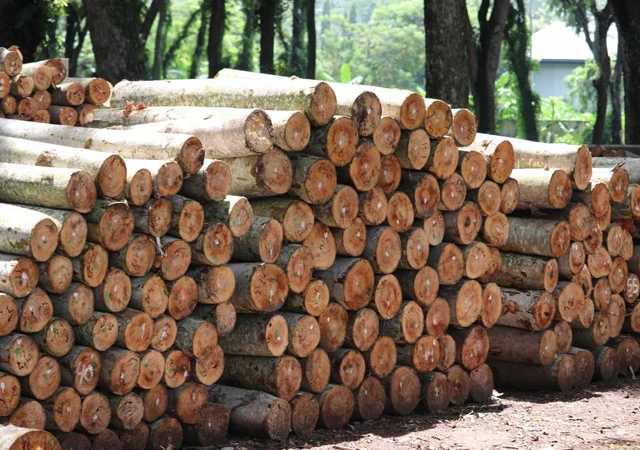
If you have an albizia tree in your garden, you might be wondering whether this ornamental tree can serve as fuel for your fireplace or stove. This inquiry is common among owners of silk trees, especially after pruning or felling, which often results in a substantial amount of wood.
Unfortunately, the physical and energy characteristics of albizia make it a less than ideal choice for home heating.
Albizia: A Poor Firewood Choice
Albizia julibrissin, commonly known as the silk tree or false mimosa, produces wood with disappointing energy performance. Classified as a soft hardwood, it is more akin to lightweight softwoods than to the traditional species used for heating.
Wood energy specialists generally advise against using albizia as a primary fuel source due to its low energy yield and rapid combustion.
Physical Properties of Albizia Wood
To understand why albizia is unsuitable for heating, we must examine its physical properties that determine its quality as a fuel.
Density and Texture of the Wood
Albizia has a particularly low density of about 0.4 g/cm³ at 15% moisture content. This characteristic places it well below the standards required for good firewood.
Its texture reveals soft fibers that facilitate cutting and handling but significantly reduce its durability during combustion.
Necessary Drying Time
Like all wood intended for heating, albizia requires a prolonged drying period of at least 18 to 24 months to achieve a moisture content below 20%. This duration can be even longer due to its fibrous structure, which retains moisture.
Failing to respect this drying period will result in even poorer combustion and excessive smoke production.
Comparison with Traditional Hardwoods
The contrast with recommended heating species is stark. Oak and beech, for example, have a density of 0.7 g/cm³, which is 75% greater than that of albizia.
This density difference translates directly into a significantly lower amount of available energy in the same volume of wood.
Calorific Value and Energy Efficiency
Calorific value is the critical criterion for assessing the quality of firewood. This measurement indicates the amount of energy that can be released by a ster of wood during combustion.
Measuring the Lower Calorific Value (LCV)
Albizia has a lower calorific value of only 2,800 kWh per dry ster. This places it among the least efficient fuels in the wood energy market.
To generate the same amount of heat as with higher-quality woods, you would need to burn a larger quantity of albizia.
Comparison with Other Popular Species
The following table illustrates the performance gap between albizia and recommended firewood:
| Wood Type | Calorific Value (kWh/dry ster) | Density (g/cm³) | |-----------|-------------------------------|-----------------| | Albizia | 2,800 | 0.4 | | Oak | 4,200 | 0.7 | | Beech | 4,000 | 0.7 | | Ash | 3,900 | 0.65 |
Thus, a ster of albizia produces 30 to 40% less energy than a ster of oak or beech.
Impact on Annual Wood Consumption
This difference in efficiency directly affects your annual fuel needs. To heat your home with 10,000 kWh per year, you would consume about 3.6 stères of albizia compared to only 2.4 stères of oak.
This represents a 50% increase in wood consumption, with all the associated challenges in terms of storage, handling, and frequent reloads of your heating appliance.
Limited Advantages of Albizia as Fuel
Despite its numerous shortcomings, albizia does have a few minor advantages that may appeal to some users in specific contexts.
Ease of Ignition and Handling
Its low density makes handling and transporting logs much easier. Albizia also ignites very quickly, which can be beneficial for starting a fire.
This property makes it good kindling, provided it is quickly complemented with more efficient species to sustain combustion.
Availability for Tree Owners
If you own an albizia tree in your garden, you have access to a free source of wood after pruning or felling. This tree grows rapidly, allowing for wood production in 10 to 15 years.
This local availability also has the added benefit of reducing the carbon footprint associated with transporting fuel.
Use as Supplemental Wood
Albizia can find a place in a mix representing a maximum of 20% of your total supply. This proportion allows you to utilize the available wood without compromising the overall efficiency of your heating.
You may use it specifically for casual fires or during transitional periods when heating needs are moderate.
Major Disadvantages for Heating
The drawbacks of albizia as firewood far outweigh its few advantages, making its use problematic for effective heating.
Rapid Combustion and Lack of Lasting Coals
Albizia burns up in just a few minutes, producing no lasting coals essential for consistent heating. This quick combustion necessitates reloading your firebox 3 to 4 times more often than with oak.
The absence of persistent coals leads to significant temperature fluctuations in your home, alternating between brief overheating and rapid cooling.
Excessive Smoke and Particulate Production
Burning albizia generates a significant amount of smoke and fine particles. This excessive production pollutes the atmosphere and quickly clogs your chimney flue.
The risk of creosote formation increases considerably, necessitating more frequent cleanings and posing potential safety hazards to your installation.
Increased Maintenance of Heating Appliances
Using albizia leads to several maintenance burdens that complicate the management of your wood heating:
- Rapid blackening of insert or stove glass
- Abundant ash production that requires frequent removal
- Accelerated clogging of the flue
- More regular cleaning of the heating appliance
These additional burdens represent a time and sometimes financial investment that cannot be overlooked.
Economic Considerations
If you must purchase albizia, its price typically ranges from 80 to 100 euros per ster, which is comparable to or even higher than oak. This situation results in a particularly unfavorable cost-benefit ratio.
The indirect costs associated with overconsumption and increased maintenance of your system further exacerbate the economic viability of this fuel.
Alternative Solutions and Recommended Uses
Instead of settling for the mediocre performance of albizia, several alternatives allow for better utilization of this wood or replacement with more effective fuels.
Mixing with Higher-Performance Woods
The most sensible strategy is to mix albizia with higher-quality species in a maximum proportion of 20%. This method allows you to utilize your stock while maintaining acceptable performance.
Use albizia for kindling, then feed your fire with oak, beech, or ash to ensure durable and effective combustion.
Other Relevant Uses for Albizia
Several alternatives to combustion can intelligently utilize your albizia wood:
- Composting after chipping to enrich your garden
- Decorative mulching for your flower beds
- Selling as ornamental or decorative wood
- Donating to charities or individuals for non-energetic uses
These alternative uses are often more pertinent than combustion, given the low energy performance of this species.
Recommended Wood Species for Heating
To effectively replace albizia, consider traditional hardwoods that offer optimal energy performance. Oak remains the benchmark with its excellent calorific value and lasting coals.
Beech, ash, maple, and hornbeam are also excellent choices for wood heating, boasting calorific values exceeding 3,800 kWh per ster.
Practical Tips for Albizia Owners
If you already have a stock of albizia or cannot avoid its use, a few precautions can help optimize its limited performance. Ensure a minimum drying period of 24 months in a ventilated shelter to achieve a moisture content below 20%.
Regularly check the moisture level with a wood hygrometer and use it only in high-efficiency heating devices. Plan to have a stock of hardwood on hand to maintain combustion after igniting with albizia.
Increase the frequency of flue cleaning and more regularly clean the glass of your appliance. Consider investing in wood pellets, which offer 4,500 kWh per ton, providing a yield far superior to albizia for optimal comfort.