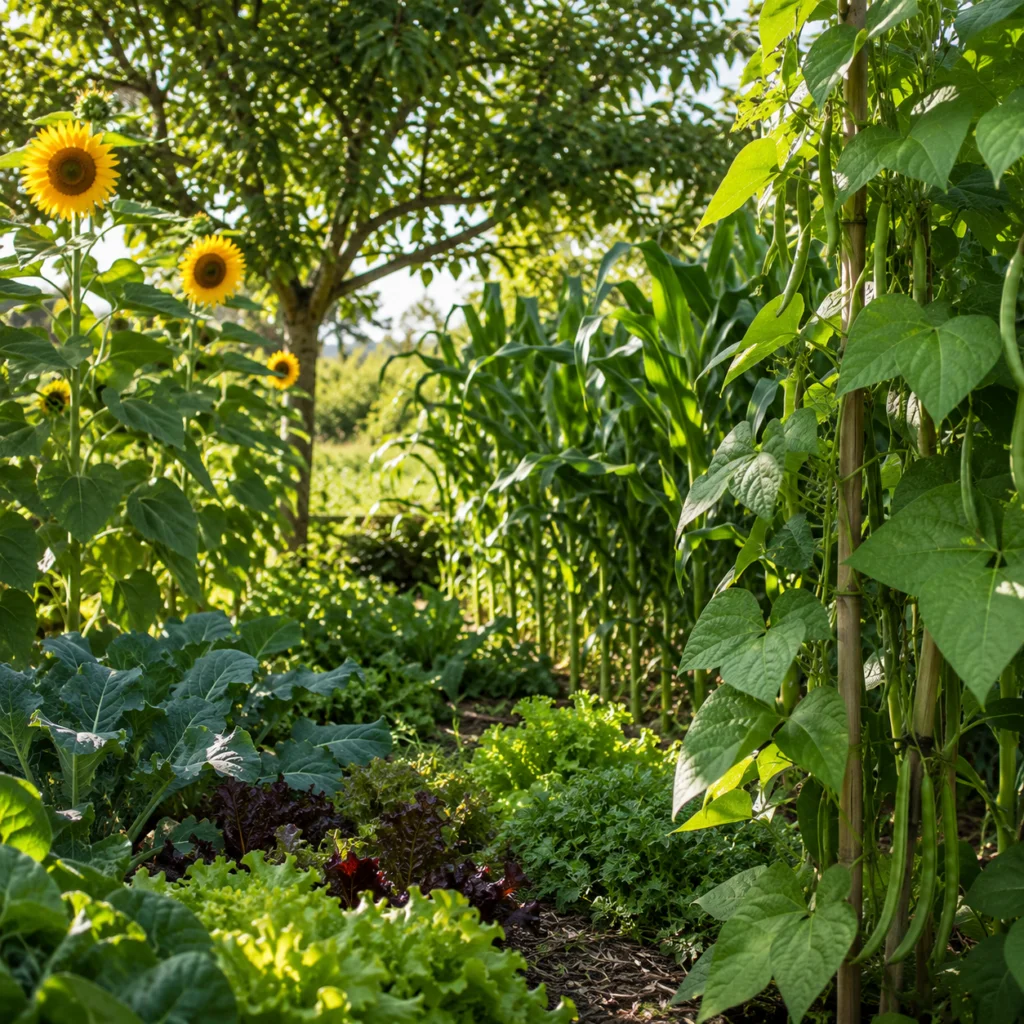
Infusing Soul into Your Garden: Embracing Japanese Principles
Transform your garden into a serene sanctuary by embracing Japanese principles of design, focusing on concepts like focal points, perspective, and the importance of emptiness.
A garden lacking in spirit often suffers from a lack of concept and essential emptiness, known as ma. This absence can stem from three primary issues: the lack of a focal point, a fear of emptiness, and a misunderstanding of Japanese gardening principles. By addressing these concerns, you can transform your garden into a sanctuary rather than just a decorative space.
Why Does My Garden Feel Impersonal and Storyless?
After spending countless hours planting, weeding, and arranging, you might find that your green space feels more like a catalog photo than a personal retreat. It lacks that elusive quality that turns a simple plot into a restorative oasis. Many have experienced this disappointment, feeling nothing despite their hard work.
Concrete Symptoms
- Overcrowded Space: A chaotic mix of plants without logical arrangement, resembling a cluttered yard sale.
- No Focal Point: The eye wanders without settling on a strong element, like a stone, tree, or pond.
- Lack of Depth: The garden appears flat, offering no mystery or layers to explore.
- Absence of Meaning: There’s no story, symbolism, or intention behind your choices.
The Three Main Causes of Spiritual Emptiness
1. Absence of a Guiding Concept
Plants are often chosen on a whim, disregarding overall harmony. The result is a patchwork that lacks coherence, akin to cooking without a recipe—sometimes it works, but often it’s chaotic.
2. Fear of Emptiness and Imperfection
Every space is filled to avoid a barren look, yet in Japanese tradition, emptiness (ma) is vital for contemplation. Embracing imperfection (wabi-sabi) can be a strength rather than a flaw.
3. Ignorance of Basic Japanese Landscaping Principles
Many confuse a "Japanese garden" with mere decorative elements like plastic pagodas or potted bonsai. Understanding the composition, perspective, and symbolism of elements like stones, water, moss, and sand is crucial. Otherwise, the garden becomes a theatrical set rather than a living space.
Solution #1 (Beginner): Create a Strong Focal Point with Stones
Choosing and Arranging Stones Like in a Dry Garden (Karesansui)
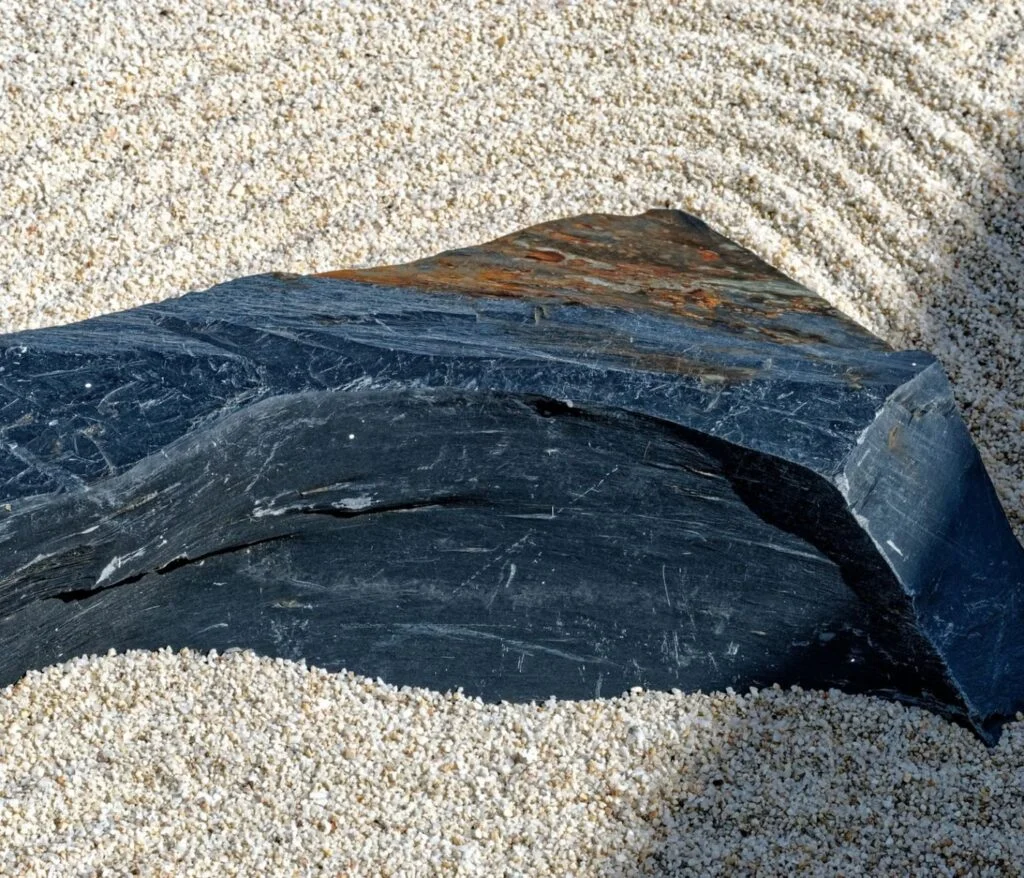
Begin by selecting 3 to 5 stones of varying sizes and shapes. Arrange them in a triangle or a broken line, avoiding symmetry. This arrangement will serve as the "skeleton" of your garden, anchoring the space and telling a story (like an island, mountain, or bridge). A practical tip: bury one-third of each stone for a natural look, as if they have always been there.
Adding a Mineral Element Around
Consider replacing part of your lawn with fine gravel or sand. Rake it into gentle curves around the stones to evoke the sense of water and movement, calming the eye. Expect to spend around 30 to 50 € for 100 kg of gravel, depending on your location.

Solution #2 (Intermediate): Play with Perspective and Mystery
Hide to Reveal (The Principle of Miegakure)
Plant a shrub or position a stone lantern partially obscured by foliage. Create a meandering path using stepping stones (tôbi ishi) that disappears behind a thicket. This approach creates an invitation to explore rather than presenting everything at once, much like a good novel that unfolds with each page.
Using Moss as a Carpet of Silence
Moss should not be seen as a weed; it’s an asset. Replace damp shaded areas with moss (or ground covers like sagina). It adds a soft texture, soothing color, and an immediate sense of age. In my garden, I’ve created a small moss patch under a maple tree, resulting in a zen reading nook where city noise fades away.
Solution #3 (Advanced): Integrate Water and the Symbolism of a Basin
Installing a Small Basin or Stone Vessel (Tsukubai)
Even a small stone container filled with water can be effective. Include a bamboo ladle (either purchased or homemade). This addition not only attracts wildlife (birds, dragonflies) but also introduces sound (the gentle splash of water). The act of washing hands symbolizes purification and roots the ritual within the garden.
Creating a "Mountain and Water" Composition (Sansui)
Challenge yourself to recreate a miniature landscape using stones (representing mountains), raked gravel (symbolizing water or clouds), and a small trimmed plant (like a dwarf pine or maple). This embodies the essence of a zen garden. While it requires patience, the outcome is captivating. Research from Kyoto University indicates that gazing at such arrangements can reduce cortisol levels by an average of 12%.
When to Move to the Next Step?
Once you've placed your stones, raked your gravel, and crafted a hidden path, your garden will begin to breathe. You may feel a newfound peace as you sit within it. Congratulations on transforming your space!
Move to the Next Step (A More Ambitious Project) When:
- You are comfortable maintaining your mineral and plant elements.
- You feel the need to add a sound element (like a pond or a bamboo water feature).
- You wish to incorporate a tea house or a real wooden bridge over your "gravel river."
- You want to learn the rules of tree pruning (niwaki) to sculpt the landscape.
A Japanese garden is not merely a decorative style; it embodies a philosophy of space and time. By applying these solutions, you are not just copying a garden but creating your own, infused with meaning and harmony. Are you ready to embark on this journey? I promise, it will change everything.
Comparison Table: Solutions for a Zen Garden
| Solution | Level | Estimated Cost | Implementation Time | Main Benefit | |--------------------------|------------|----------------|---------------------|--------------------------------------| | Focal Point with Stones | Beginner | 30-80 € | 2-4 hours | Anchors the gaze, structures space | | Perspective and Moss | Intermediate| 50-150 € | 1-2 days | Creates depth and mystery | | Basin and Sansui | Advanced | 100-300 € | 2-5 days | Adds sound and symbolism |
Frequently Asked Questions about Japanese Gardens
What are the three most famous gardens in Japan?
The three most renowned gardens are Kenroku-en (Kanazawa), Koraku-en (Okayama), and Kairaku-en (Mito). Each exemplifies the perfection of Japanese landscape art, featuring ponds, artificial hills, and bridges. However, you don't need to travel to Japan for inspiration!
How can I create a zen Japanese garden at home?
Start small: include a few stones, raked gravel, and a trimmed plant. Add a water element if possible. The key is to respect principles of broken symmetry, emptiness, and perspective. You don't need a large space; even a balcony can suffice.