Individual Composting: A Guide to Effective Waste Management
Learn how to effectively manage your kitchen and garden waste through individual composting. This guide provides essential steps and tips for successful composting.
In France, the sorting of organic waste at the source is becoming mandatory. Local communities are providing composters to help residents recycle kitchen and garden waste efficiently. If you're interested in individual composting, here's how to get started.
Instructions for Composting
To ensure a smooth composting process, follow these steps:
-
Assemble your composter, ideally placing it in a shaded corner.
-
Start with a base layer of small branches or straw at the bottom to facilitate air circulation.
-
Adhere to three essential rules: Mix, aerate, and moisten.
The Three Rules of Individual Composting
– Mix
Organic waste that can be composted, whether from the kitchen or garden, falls into two categories: greens and browns. The greens include items like vegetable and fruit peels and pulled weeds, while the browns consist of materials such as dead leaves, straw, dried grass, and wilted flowers.
Mixing these two types is crucial, as green waste provides nitrogen and is primarily composted by bacteria, aided by insects and their larvae that break it down. On the other hand, brown materials contribute carbon, which makes up about 40% of plant matter, and are composted by fungi. Earthworms, particularly composting worms, also play a role by consuming the material that increasingly resembles soil. Together, these organisms transform our waste into a nutrient-rich, dark substance beneficial for plants.
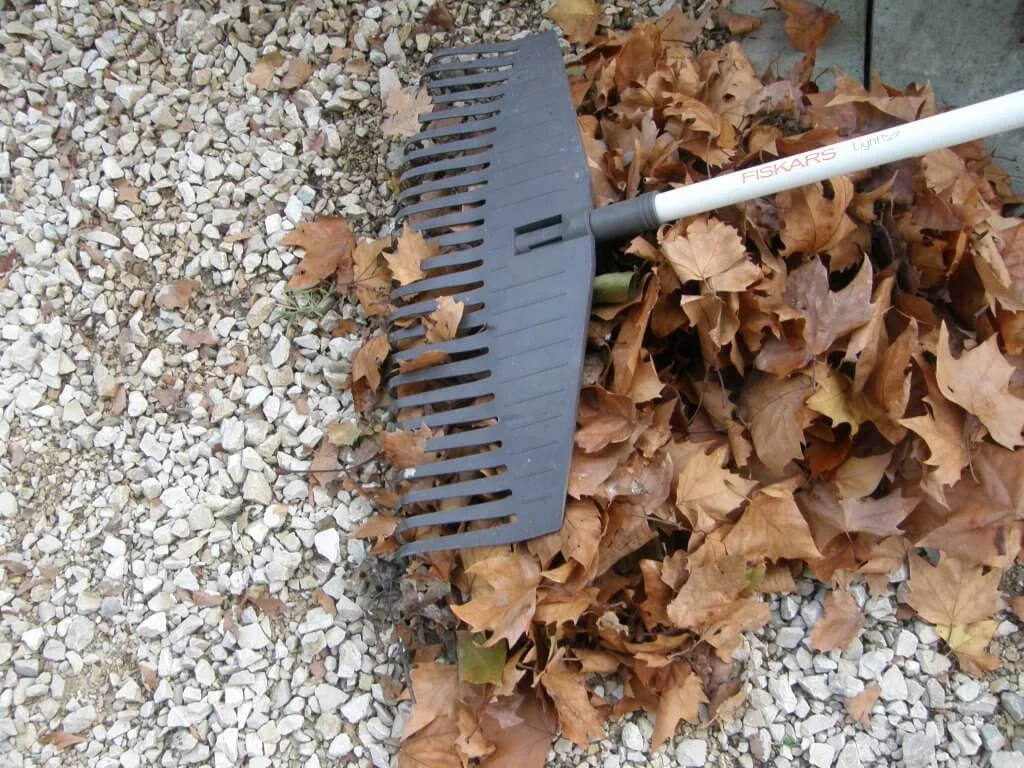
However, you might notice that kitchen waste predominantly consists of greens. In gardens, it is easier to gather browns, especially if you collect autumn leaves and store them. If you lack sufficient brown materials, consider using cardboard! Cut up packaging cardboard, and it can serve as your brown waste. Alternatively, you can obtain wood chips from a friend with a garden shredder.
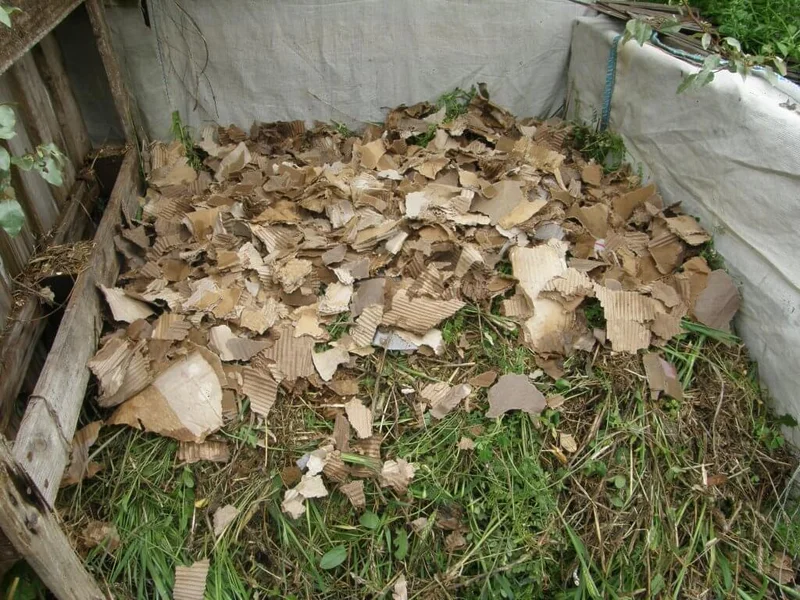
When adding waste to your composter, remember to mix the new materials with the older ones by scratching them together.
For composting straw or hay, utilize a brush cutter with a U-shaped blade, which is an effective way to shred these plant residues.
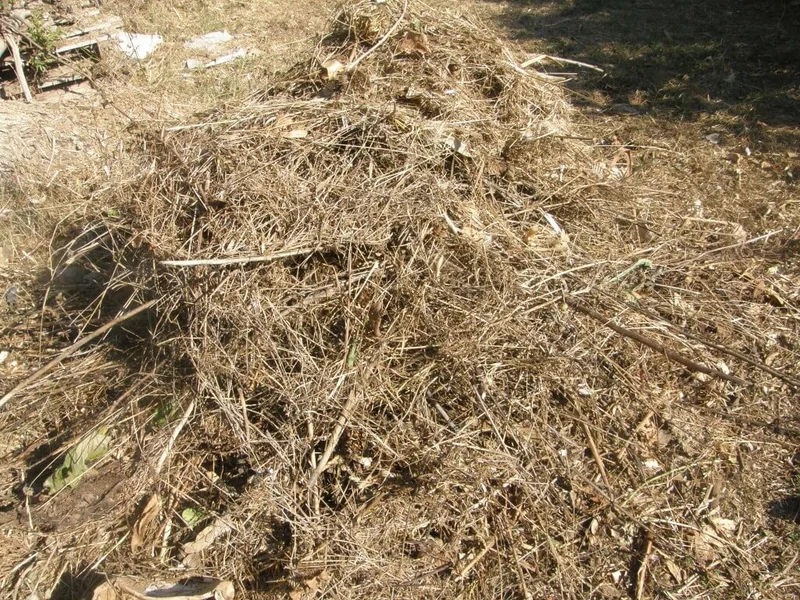
Straw is an excellent addition to compost, acting as a valuable brown waste in individual composting.
– Aerate
It is beneficial to turn your compost once or twice a year. Open your composter, empty it, and collect the finished compost, which should resemble potting soil. Afterward, refill your composter with fresh materials. During this process, you can also carry out the third rule: watering!
– Moisten
When turning the compost or if you notice the top layer is very dry, it’s time to water it. Proper aeration and moisture are vital for effective composting, as all living organisms within the compost—such as insects, larvae, worms, bacteria, protozoa, and fungi—require air and water to thrive, multiply, and assist in the composting process.