How to Grow Potato Onion, an Ancient Variety (Allium cepa var. aggregatum)
Discover how to cultivate potato onion (Allium cepa var. aggregatum) with practical tips on planting, care, harvesting, storage, and companion planting.

How to Grow Potato Onion, an Ancient Variety (Allium cepa var. aggregatum)
24 July 2026
The potato onion, also known as Allium cepa var. aggregatum, is regaining popularity in modern gardens due to its mild flavor and exceptional storage capabilities. Often compared to shallots, this variety is easy to cultivate and appeals to enthusiasts of heirloom plants with its rustic charm and reliable yield. This article provides practical advice on planting, caring for, harvesting, storing, and companion planting to maximize your potato onion crop, blending technical guidance with personal insights to ensure your success.
Suitable Soil and Exposure for Potato Onion
Potato onions thrive in sunny locations and prefer the warmth of full sun. They are sensitive to heavy, damp soils that can promote fungal diseases. For optimal bulb development, a light, well-drained soil is essential.
Moderate fertilization is recommended, as excessive organic matter added in the same year can negatively impact yield. Potato onions are better suited to temperate climates rather than cold, waterlogged conditions. Avoid planting in areas that remain cold in winter and wet in spring.
| Characteristic | Detail | |----------------|--------| | Family | Liliaceae | | Type | Perennial grown as an annual | | Origin | Asia | | Color | Copper yellow | | Planting | February-March | | Harvest | Summer, approximately 5 months after planting | | Height | About 20 cm |
When to Plant Potato Onion
The most common planting time is late winter, when the risk of severe frost diminishes. Traditionally, cloves are planted in February-March, depending on regional and climatic conditions. Warm, dry soil in spring promotes healthy growth.
Unlike seeds, potato onions are propagated vegetatively. It is advisable to space the plants about 10 cm apart, with 25 to 30 cm between rows, and to plant them at a depth of approximately 2 cm. Adhering to these distances helps reduce competition and simplifies maintenance.
Caring for Potato Onion
Minimal maintenance is sufficient for a bountiful harvest. Regular weeding prevents unwanted plants from choking the crops and enhances soil aeration. Light hilling, similar to potato cultivation, protects the cloves and may encourage better growth.
You can leave the crop in place from year to year to achieve a perpetual onion, while keeping an eye out for diseases. Selecting a few small bulbs at harvest time for replanting ensures the longevity of your plot. Watering should be moderate and adjusted according to weather conditions to avoid excessive moisture.
Crop rotation is beneficial for limiting the buildup of pathogens. Avoid planting Liliaceae in the same location successively to reduce health risks. A clean soil with minimal residue promotes bulb health.
Harvesting and Storing Potato Onion
Harvesting typically occurs five months after planting, in the heart of summer, when the tops begin to dry. It is important to leave the bulbs in the sun for two to three days to dry adequately and heal the necks. Drying should be done on a clean surface, protected from rodents.
After drying, store the bulbs in open crates in a cool, dark, dry, and well-ventilated area. Maintaining stable conditions without frost allows for storage until the next harvest. Avoid overcrowding and moisture to minimize rot.
- Raw Consumption: Seasoning for salads and raw dishes.
- Cooked Consumption: Base for sauces, soups, and slow cooking.
- Substitute for Shallots: For recipes requiring a milder flavor.
Pests and Diseases Threatening Potato Onion
Potential pests often resemble those affecting traditional onions, but the potato onion variety displays notable resistance. The onion fly tends to cause less damage to this clustered bulb form. However, fungal diseases associated with excess moisture, such as downy mildew and rot, remain threats under humid conditions.
Good drainage and sufficient foliage aeration significantly reduce fungal risks. Maintaining a clean soil and removing contaminated residues aids in prevention. Monitoring for early symptoms like leaf spots or wilting allows for prompt intervention.
Beneficial garden insects and organic cultural methods can help manage pests without resorting to chemical treatments. Encouraging biodiversity around the plots enhances the resilience of the garden.
Companion Planting with Potato Onion
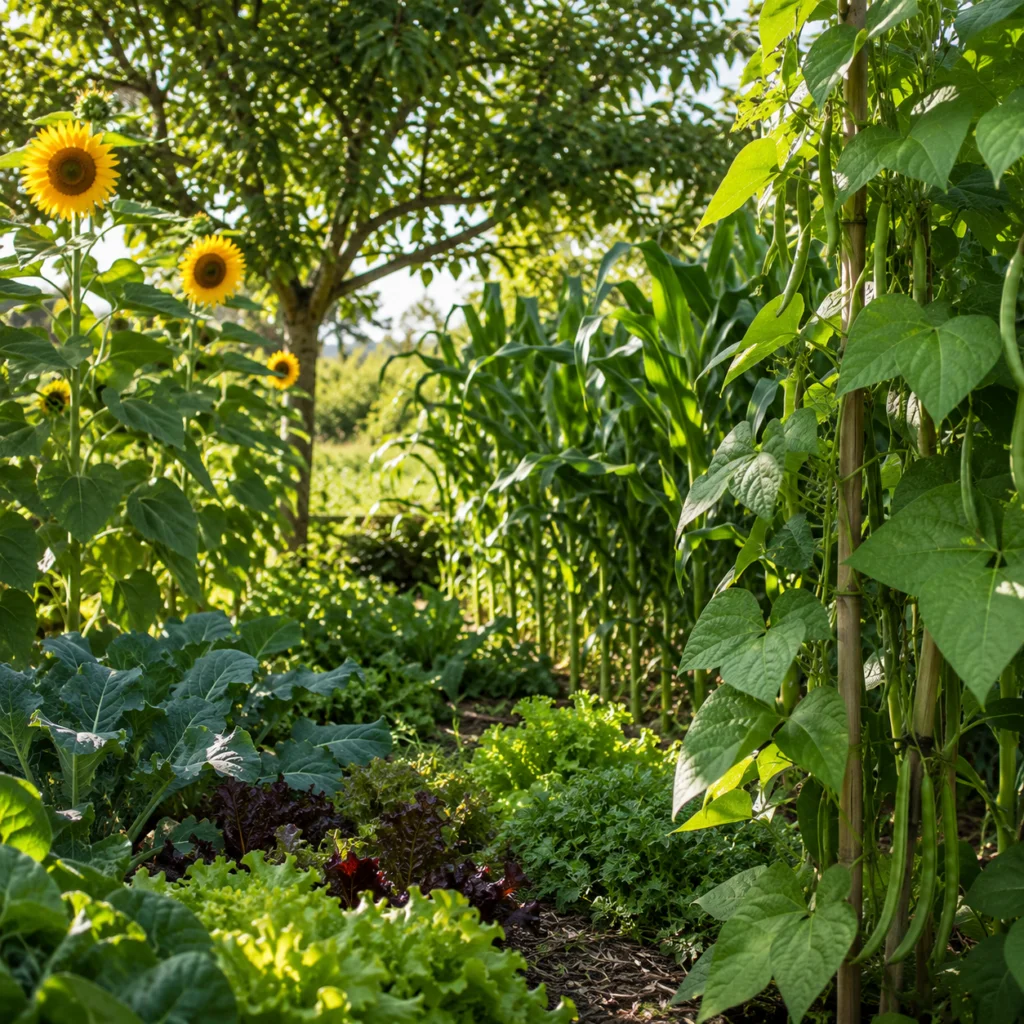
Potato onion pairs particularly well with carrots, a classic combination that protects both crops from their respective pests. The proximity of lettuce or strawberries also provides mutual benefits without significant resource competition. These companion plantings optimize space and can help reduce certain pests.
Conversely, it is advisable to keep potato onions away from corn, other Liliaceae such as garlic and leeks, and Fabaceae like peas and beans. These unfavorable associations increase the risks of diseases or competition. Planning rotations and companion plantings enhances the long-term health of your plots.
Other Allium Species to Consider for the Garden
The Allium genus offers numerous options to diversify your harvests. Useful culinary species include onions, leeks, garlic, shallots, and chives. While some Allium species are primarily ornamental, they also add aesthetic value to the garden.
Choosing varieties should consider your culinary goals, climate, and bulb availability. Potato onions are beginning to be offered in several varieties suited for small gardens, allowing for the integration of this ancient form into modern rotations. Testing different species in small plots helps determine which are best suited to your conditions.