How to Cultivate Pineapple Broom (Cytisus battandieri), the Moroccan Broom
Learn how to cultivate Pineapple Broom (Cytisus battandieri), a fragrant shrub from Morocco, with tips on planting, maintenance, and ideal growing conditions.
How to Cultivate Pineapple Broom (Cytisus battandieri), the Moroccan Broom
August 7, 2026
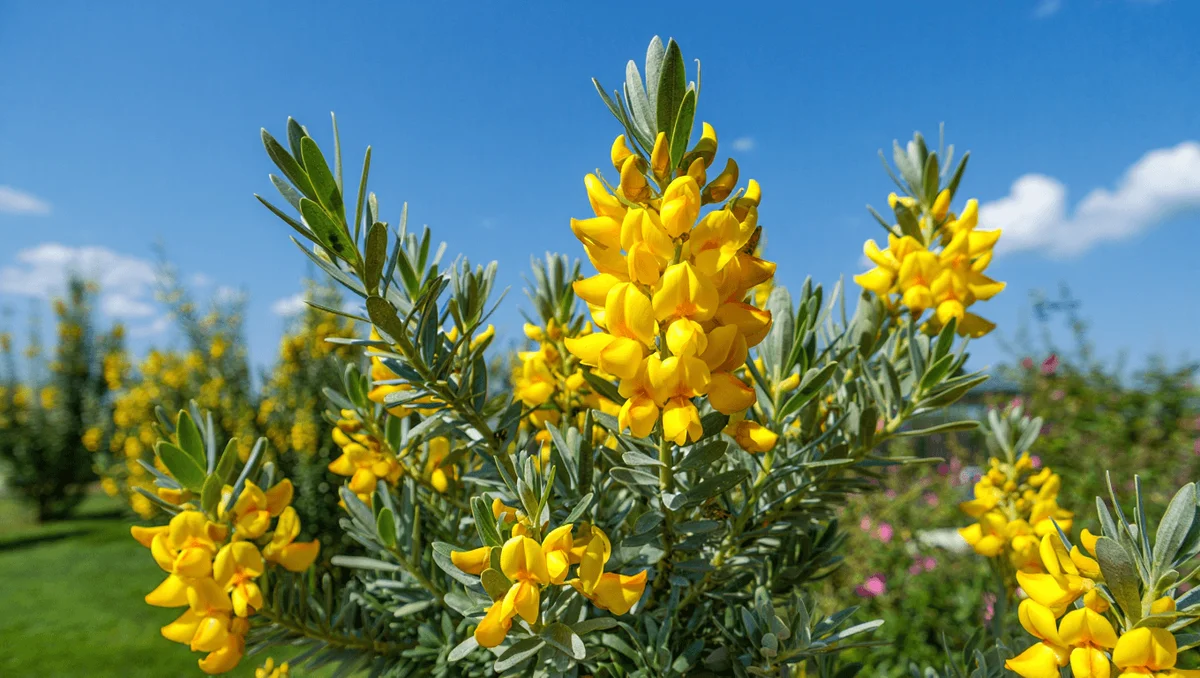
Pineapple broom, known scientifically as Cytisus battandieri, is a visually striking shrub that enchants with its silvery foliage and clusters of bright yellow flowers that emit a delightful pineapple fragrance. Native to Morocco, this fast-growing plant makes an excellent addition to sunny gardens, whether planted alone or in groups, and is resilient in various climates. This article provides guidance on how to cultivate, plant, maintain, and position Cytisus battandieri effectively in your garden.
What is Pineapple Broom and Where Does it Come From?
The pineapple broom originates from the mountainous regions of Morocco, particularly the Middle Atlas and Rif ranges. It belongs to the Fabaceae family and is characterized by its velvety silver leaves, which help reduce evaporation. The fragrant, papilionaceous yellow flowers bloom from May to July, forming long clusters that are easily visible from a distance.
This shrub can grow between 3 to 5 meters in height and spread equally wide, making it a substantial element in flower beds or hedges. The trifoliate leaves can be semi-evergreen in milder climates, and every part of the plant has a slightly fuzzy texture. It is hardy enough to withstand temperatures around -12°C under certain sheltered conditions.
After flowering, the plant produces the typical pods of the Fabaceae family, containing seeds. However, caution is advised as all parts of the plant can cause digestive issues if ingested, making it essential to be mindful if children or pets are nearby. Its rapid growth and initially upright, then spreading habit make it an easy plant to incorporate into garden designs.
What Soil and Exposure Should Be Preferred for Cultivation?
Pineapple broom thrives in full sun and should be planted in a location sheltered from cold, damp winds. It prefers well-drained soil that is poor to moderately fertile rather than heavy, waterlogged soils. A south or southwest exposure encourages abundant flowering and vibrant foliage.
The plant tolerates both acidic and slightly alkaline soils, provided that stagnant moisture is avoided. Incorporating draining materials during planting helps keep the roots healthy. When growing in pots on a terrace, choose a lightweight substrate and ensure the pot has good drainage to replicate these conditions.
How to Sow, Take Cuttings, and Plant Pineapple Broom?
Successful sowing occurs best when seeds are soaked for 24 hours and planted under a heated frame in the spring or during mild autumns. Place three seeds in each pot and keep the strongest seedling for transplanting. Germination can require patience and consistent watering without overdoing it.
Herbaceous cuttings taken in June or semi-woody cuttings in September can yield good results, especially if they are kept in a humid environment. Success rates may vary depending on conditions and the availability of stable warmth during rooting. It’s advisable to try several cuttings to increase your chances of success.
Ideally, plant in the ground during spring or autumn when the soil is temperate. Frequent relocations should be avoided as the shrub does not respond well to repeated transplants. Create a wide, slightly elevated hole if the soil is compact to ensure proper drainage.
What Maintenance and Pruning Practices Should Be Adopted?
Maintaining pineapple broom is minimal, provided that root moisture is kept in check. Once established, the plant handles dry periods well and does not require frequent watering, except when in pots. A light mulch can help reduce evaporation and protect the root ball during summer.
Pruning should occur after flowering to maintain a compact shape and remove any damaged or unsightly branches. Avoid severe pruning of old wood as recovery can be challenging. Light annual pruning encourages consistent flowering and keeps the shrub within manageable proportions.
What Diseases, Pests, and Precautions Should Be Taken?
Pineapple broom is generally resistant to common diseases and rarely suffers from serious pest issues. The main problems arise when the soil remains damp, leading to rot and decline. Monitoring the plant after rainy periods can help catch any issues early.
To minimize risks, avoid excessive watering and ensure good drainage during planting. Pruning and maintaining good airflow can also reduce the likelihood of fungal diseases. If any abnormal symptoms appear, remove the affected parts to prevent spreading.
Where to Place the Shrub in the Garden and What to Combine It With?
Pineapple broom is well-suited for the back of flower beds, in informal hedges, on slopes, or as a solitary specimen where its fragrance can be appreciated during springtime walks. In colder climates, growing it in a pot on a terrace can protect it during winter. Its broad growth habit necessitates adequate space for it to flourish.
Possible plant combinations based on desired aesthetics include:
- Mediterranean bed: lavenders, rosemaries, and cistus.
- Dry and mineral garden: sedums, grasses, and wormwoods.
- Flowering hedges: buddleias and heathers for contrasting colors.
Position the shrub near pathways to fully enjoy its pineapple scent during flowering. Consider soil conditions and protection from cold winds when selecting the planting site. A well-thought-out location minimizes future interventions and enhances flowering.
Related Varieties and Summary Table of Characteristics
The genus Argyrocytisus primarily includes the species Argyrocytisus battandieri, which is sometimes classified under the genus Cytisus. Other Cytisus species, such as Cytisus scoparius, offer different flowering options and may serve as alternatives if you're looking for variations in color or growth habit.
The table below summarizes the practical characteristics to know before purchasing or planting.
| Characteristic | Detail | |----------------|--------| | Name | Cytisus battandieri (pineapple broom) | | Family | Fabaceae | | Height | 3 to 5 m | | Flowering | May to July, fragrant yellow flowers | | Hardiness | Approximately -12°C depending on exposure | | Planting | Spring or autumn, in well-drained soil |